
Iran War Spikes US Gas, Diesel and Fertilizer Prices, Squeezing Farmers and Small Businesses
Cover image from newrepublic.com, which was analyzed for this article
The Iran war threatens small businesses and consumers' wallets while American farmers suffer from disruptions. Polls show Americans blaming Trump for surging gas prices heading into midterms. Refunds from illegal tariffs loom but savings may not reach families.
PoliticalOS
Friday, April 24, 2026 — Business
The 2026 Iran conflict produced verifiable spikes in U.S. gasoline, diesel and fertilizer prices that are raising costs for food, transport and farming, with effects likely to appear in summer and fall harvests. A Reuters/Ipsos poll indicates most Americans, including a majority of Republicans, hold President Trump responsible, narrowing Republican advantages on economic issues ahead of midterms. The episode reveals structural vulnerabilities in global commodity chains that predate the war and will persist after it, regardless of competing claims about strategic necessity.
What outlets missed
Most outlets underplayed the mid-April ceasefire and partial resumption of Strait of Hormuz shipping by April 16, which began easing some price pressure even as downstream harvest effects remained. Coverage also gave limited attention to U.S. domestic nitrogen fertilizer production, which meets 80-90 percent of needs and reduced exposure to Gulf supplies compared with the portrayal of total vulnerability. The $12 billion in supplemental farm subsidies and Trump administration moves to restore certain Biden-era grants for domestic and climate-smart fertilizer projects were mentioned in only one piece and not analyzed for adequacy. Finally, potential tariff refunds referenced in the broader economic context received no treatment, leaving unclear whether any savings would offset higher energy costs for households or simply remain tied up in legal and distribution processes.
Trump Iran War Crushes Farmers Truckers as Gas Fertilizer Prices Explode
The economic fallout from America's military campaign against Iran is no longer theoretical. It is slamming into family farms, independent trucking companies, and small businesses across the heartland, driving up costs that ordinary Americans will ultimately pay at the grocery store, the gas pump, and in higher prices for just about everything else.
Two months after President Trump and Israel launched strikes that killed Iran's leadership and disrupted a significant portion of the global oil trade, the Strait of Hormuz remains a flashpoint. Tehran has flexed its control over the critical waterway, effectively choking off supplies that the world economy depends on. The result is predictable to anyone who understood that starting another Middle East conflict would have consequences beyond the battlefield: diesel prices are climbing, fertilizer costs are soaring, and the pain is radiating outward from rural America.
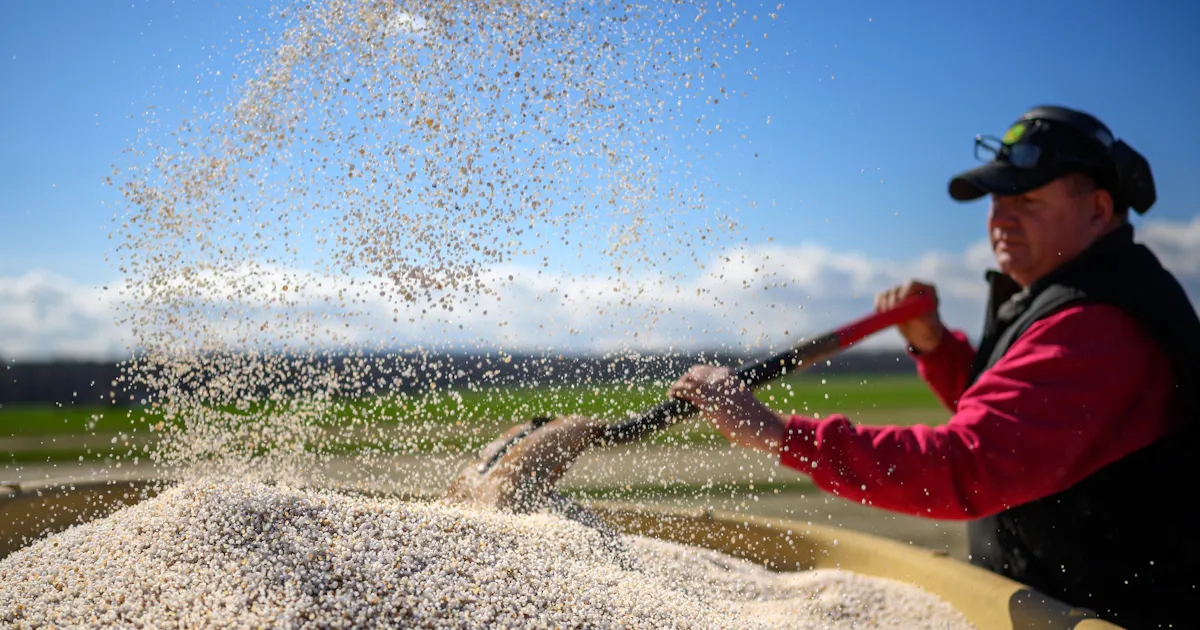
Farmers are feeling it first and hardest. Synthetic nitrogen fertilizer, essential to roughly half of global food production, relies heavily on natural gas from Gulf producers. Up to a third of that trade normally moves through the Strait of Hormuz, which has been largely closed since the fighting began in late February. The American Farm Bureau Federation found that seventy percent of farmers say they cannot afford all the fertilizer they need this growing season. Independent analyses show the spike is already adding about thirty-five dollars per acre to the cost of producing corn. With planting underway across the Northern Hemisphere, many operators face a brutal choice: pay the inflated prices, cut back on inputs and accept lower yields, or risk going out of business.
The New Republic and other outlets have reported on the looming fertilizer crisis, but the implications extend far beyond niche agricultural policy. Less fertilizer means less food. What gets produced will cost more. Those effects will hit lower-income families and developing nations first, but they will not spare the United States. Supply chain experts have long warned that American agriculture's dependence on distant natural gas-derived inputs leaves it dangerously exposed to geopolitical shocks. That warning is now reality.
Truckers and small businesses are next in line. Higher diesel prices compound the damage. A single truck that once filled its tanks for a few hundred dollars now faces significantly larger fuel bills on every cross-country haul. Those costs do not stay with the driver or the small fleet owner. They get passed on to manufacturers, distributors, and finally to consumers in the form of pricier goods on store shelves. The Salon report on the crisis captured the blunt warning from operators: this is no longer just an energy story. It is about the survival of small enterprises that form the backbone of local economies.
Gasoline itself has jumped to around four dollars a gallon, a dollar higher than before the war started. A Reuters/Ipsos poll conducted this month found that seventy-seven percent of registered voters hold President Trump at least partly responsible. The numbers cut across party lines. Fifty-five percent of Republicans, eighty-two percent of independents, and ninety-five percent of Democrats say the president bears blame for the surge. Fifty-eight percent of voters, including one in five Republicans, say they are less likely to support congressional candidates who back Trump's approach to the Iran conflict. With midterm elections approaching, Republican strategists admit the issue is toxic on the doorstep. One GOP consultant told Newsmax the situation is simply "bad" and that people are upset.
The military campaign itself has entered its fortieth day with no clear end in sight. Trump initially predicted the operation would conclude in two to three weeks. This week he said he has "no time frame." The Washington Examiner noted that despite early claims of having "completely and totally obliterated" Iran's nuclear facilities, the program was not destroyed. Tehran retains the ability to produce drones and ballistic missiles. The war has already claimed thousands of Iranian lives and damaged oil infrastructure, yet the strategic picture remains murky. While defense analysts study the performance of advanced weaponry and intelligence systems, American families are left to study a different set of numbers: their monthly fuel, food, and shipping bills.
This is the recurring pattern of Washington-led conflicts sold as quick and decisive. The bombs fall far away. The costs come home to roost on the kitchen tables of working people who never asked for another war in the Middle East. Farmers in Iowa, truckers in Texas, and small business owners in Pennsylvania did not vote to close the Strait of Hormuz. Yet they are the ones absorbing the price shocks while negotiations drag on and oil markets remain unstable.
The fertilizer shortage alone threatens to reduce harvests at a time when global food systems are already strained. Higher transportation costs will ripple through every sector that moves goods by road or rail. Plastics, chemicals, and consumer products tied to petroleum feedstocks are all becoming more expensive. The people who will feel these increases most acutely are not the foreign policy architects in Washington or the executives at large agribusiness firms. They are the same working families already squeezed by years of rising living costs.
As the conflict grinds forward, the central question facing the country is whether leaders in both parties will acknowledge the human and economic toll on Main Street or continue treating these disruptions as unfortunate side effects of necessary policy. For now, the evidence is clear. The war in Iran has come home, and it is landing squarely on the balance sheets of the people least able to absorb it.
You just read America First's take. Want to read what actually happened?
More in Business & Economy

Stocks Rise on Earnings as Home Sales Hit Low
Major indices closed mixed to higher, led by healthcare and defensive stocks, as companies like Eli Lilly and UnitedHealth reported strong results. Pending home sales hit record lows.

US Stocks Mixed as Tech Rebounds on AI Optimism
The Dow slipped slightly while the S&P 500 and Nasdaq rose, led by Nvidia, AMD, and Intel gains on renewed AI sector confidence after prior drops. Broader market volatility tied to earnings and data center demand.

Trump Unveils $8 Billion Diesel Relief for Farmers
The Agriculture Department launched the program to offset record diesel prices for farmers, framed as economic aid and a midterm pitch in Kansas amid ongoing inflation and energy cost pressures.
CPI Rises to 3.7 Percent as Energy Costs Climb Amid Iran Conflict
Hotter-than-expected CPI figures fueled rate hike fears and contributed to sharp declines in AI and tech stocks. Left and right economic commentary debates Trump policies versus Fed actions.
The Compass
You just read five takes on one story.
What's your take? Find your political shape in a few minutes.
Take the test