
Iran War Spikes US Gas, Diesel and Fertilizer Prices, Squeezing Farmers and Small Businesses
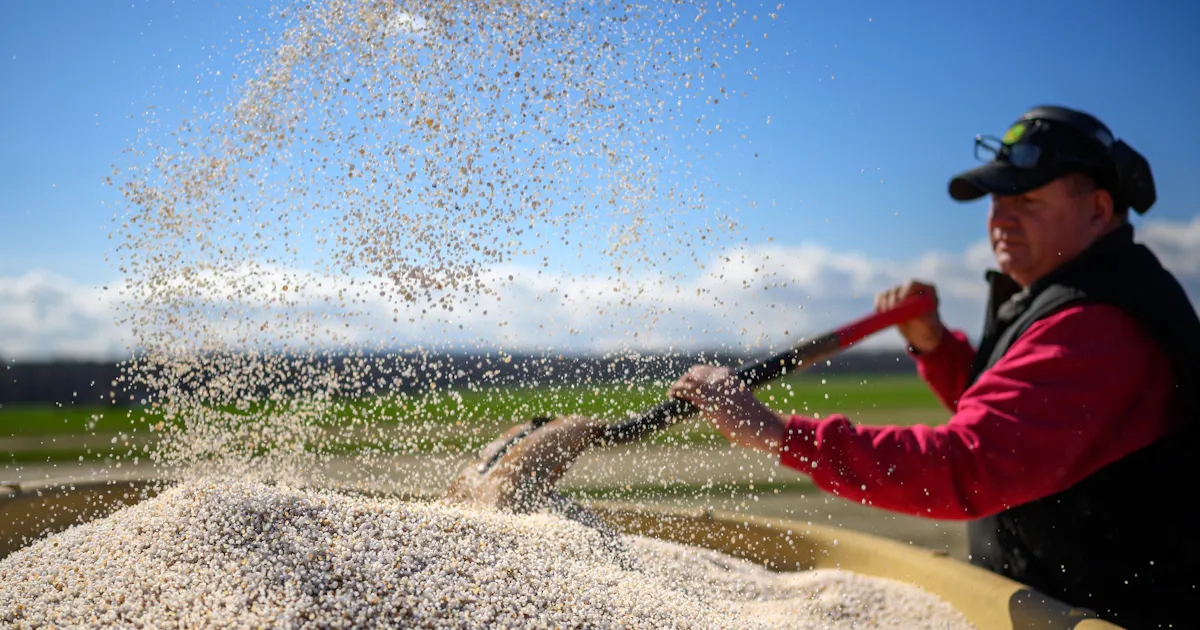
Cover image from newrepublic.com, which was analyzed for this article
The Iran war threatens small businesses and consumers' wallets while American farmers suffer from disruptions. Polls show Americans blaming Trump for surging gas prices heading into midterms. Refunds from illegal tariffs loom but savings may not reach families.
PoliticalOS
Friday, April 24, 2026 — Business
The 2026 Iran conflict produced verifiable spikes in U.S. gasoline, diesel and fertilizer prices that are raising costs for food, transport and farming, with effects likely to appear in summer and fall harvests. A Reuters/Ipsos poll indicates most Americans, including a majority of Republicans, hold President Trump responsible, narrowing Republican advantages on economic issues ahead of midterms. The episode reveals structural vulnerabilities in global commodity chains that predate the war and will persist after it, regardless of competing claims about strategic necessity.
What outlets missed
Most outlets underplayed the mid-April ceasefire and partial resumption of Strait of Hormuz shipping by April 16, which began easing some price pressure even as downstream harvest effects remained. Coverage also gave limited attention to U.S. domestic nitrogen fertilizer production, which meets 80-90 percent of needs and reduced exposure to Gulf supplies compared with the portrayal of total vulnerability. The $12 billion in supplemental farm subsidies and Trump administration moves to restore certain Biden-era grants for domestic and climate-smart fertilizer projects were mentioned in only one piece and not analyzed for adequacy. Finally, potential tariff refunds referenced in the broader economic context received no treatment, leaving unclear whether any savings would offset higher energy costs for households or simply remain tied up in legal and distribution processes.
Iran War Oil Disruptions Threaten U.S. Food Supply and Family Budgets
The war with Iran that began in late February has now stretched into its third month with no clear end in sight, and its economic consequences are landing squarely on American small businesses, farmers, and household budgets. What started as a military campaign to neutralize nuclear threats has evolved into a sustained disruption of global energy and agricultural supply chains, driving up costs that experts say will soon appear in grocery aisles and at the pump.
The immediate trigger is the effective closure of the Strait of Hormuz, a chokepoint through which roughly one-fifth to one-third of global oil trade and a significant share of fertilizer components typically flow. Iranian responses to U.S. and Israeli strikes have damaged export facilities and halted tanker traffic, sending ripple effects through markets already strained by the conflict. U.S. gasoline prices have climbed to about four dollars a gallon, a dollar higher than before the fighting began. Diesel costs, critical for trucking and farming operations, have risen in tandem.
For farmers, the pain centers on fertilizer. Roughly half of global food production depends on synthetic nitrogen made from natural gas, much of it sourced from Gulf states. With that supply route severed, prices have spiked to levels not seen in years. A recent American Farm Bureau Federation survey found that seventy percent of farmers say they cannot afford all the fertilizer they need this season. Industry estimates suggest the surge is adding at least thirty-five dollars per acre to the cost of growing corn. As planting season advances across the Northern Hemisphere, many producers face a grim choice: absorb losses, reduce yields, or risk going out of business.
These pressures extend beyond the fields. Truckers, already operating on thin margins, are paying more to move goods across the country. Small businesses that rely on affordable transport and packaging derived from petroleum products are watching their input costs climb. The Salon report on the crisis noted that while energy companies and large agribusinesses may hedge through futures contracts, smaller operators lack that buffer. The added expenses are likely to be passed along to consumers in the form of higher food and goods prices, compounding inflation that has already strained family finances.
Public sentiment reflects the breadth of the impact. A Reuters/Ipsos poll conducted this month found that seventy-seven percent of registered voters hold President Trump at least partly responsible for the gas price surge, including fifty-five percent of Republicans. Fifty-eight percent of voters, including one in five Republicans and two-thirds of independents, said they would be less likely to support congressional candidates who back the administration’s approach to the conflict. With midterm elections approaching in November, Republican strategists acknowledge the political headwinds. One GOP-aligned group described the current mood as “bad” and voters as “upset.”
The conflict’s origins lie in long-standing efforts to prevent Iran from developing nuclear weapons, a goal that gained new urgency after Israel’s campaign against Hamas in Gaza concluded in late 2025. Initial U.S. and Israeli strikes in February were presented as decisive. Yet reporting from Jerusalem indicates that while sophisticated munitions and intelligence were deployed, Iran’s nuclear infrastructure and missile capabilities were not eliminated. The war has instead settled into a grinding phase, with Tehran leveraging its geographic position to impose economic costs that military planners appear to have underestimated.
This outcome exposes deeper structural vulnerabilities in American agriculture and energy systems. The New Republic analysis of the fertilizer crisis points out that the United States remains heavily dependent on natural gas-derived inputs produced in volatile regions. Corporate consolidation in fertilizer production and political resistance to alternative approaches have slowed development of greener, more resilient methods such as expanded use of cover crops, precision application, or hydrogen-based production not tied to fossil fuels. Experts quoted in recent coverage question whether it is feasible to reduce this exposure in the near term, given the entrenched interests and infrastructure involved.
Military analysts are already cataloging lessons from the fighting, from the performance of drone defenses to the limits of airstrikes against dispersed facilities. Yet the domestic economic ledger is also instructive. The conflict has demonstrated how tightly intertwined foreign policy decisions are with everyday costs. A disruption thousands of miles away quickly translates into higher prices at American grocery stores and gas stations.
Farm organizations are urging targeted relief measures, including adjustments to crop insurance and expedited approvals for alternative inputs. Energy analysts warn that without resumed shipping through the Strait of Hormuz or significant new supply elsewhere, the pressure on diesel and gasoline could persist through the summer driving season and harvest period. For now, the war continues without a public timeline for resolution, leaving small businesses and consumers to absorb costs that policymakers in Washington did not fully project when the campaign began.
The situation underscores a recurring pattern in recent decades: military actions taken in the name of long-term security can generate immediate economic trade-offs that fall most heavily on those least able to absorb them. As the fertilizer shortage threatens yields and fuel prices squeeze transport networks, the full domestic bill for the Iran conflict is only beginning to come due. Whether Washington can mitigate that damage while pursuing its strategic aims will help determine both the economic health of rural America and the political landscape heading into November.
You just read Liberal's take. Want to read what actually happened?
More in Business & Economy

US Diesel Averages $5.85 a Gallon as Supply Concerns Mount
Average prices reach $5.85 per gallon due to Middle East supply disruptions, raising transport and goods costs.
Stocks Rebound as Oil Hits $95 on Iran Tensions
Markets rose after a three-day losing streak, with the Dow gaining on tech and oversold stocks despite mixed economic data and global conflict uncertainty. Investors hunt for bargains in AI-related sectors.

Dell Shares Jump 16% After AI Server Demand Beats Forecasts
Dell shares jumped nearly 16% after beating forecasts and raising guidance due to strong AI computing needs. Nvidia and other tech stocks also rose as AI demand accelerates.
Uber Cuts 10% of Staff, Trims Micro-Teams and Management Layers
Uber plans to cut about 10% of its workforce to create a leaner structure amid competition in rides, delivery, and robotaxis. The move follows pandemic-era reductions and draws business analysis.
The Compass
You just read five takes on one story.
What's your take? Find your political shape in a few minutes.
Take the test