
Iran War Spikes US Gas, Diesel and Fertilizer Prices, Squeezing Farmers and Small Businesses
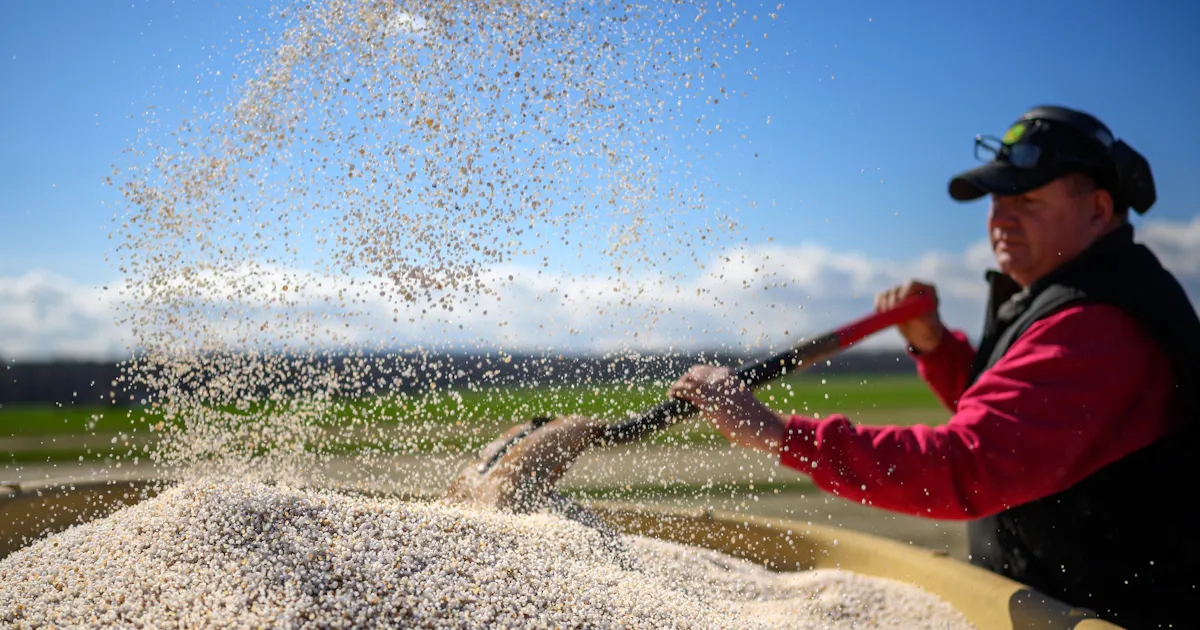
Cover image from newrepublic.com, which was analyzed for this article
The Iran war threatens small businesses and consumers' wallets while American farmers suffer from disruptions. Polls show Americans blaming Trump for surging gas prices heading into midterms. Refunds from illegal tariffs loom but savings may not reach families.
PoliticalOS
Friday, April 24, 2026 — Business
The 2026 Iran conflict produced verifiable spikes in U.S. gasoline, diesel and fertilizer prices that are raising costs for food, transport and farming, with effects likely to appear in summer and fall harvests. A Reuters/Ipsos poll indicates most Americans, including a majority of Republicans, hold President Trump responsible, narrowing Republican advantages on economic issues ahead of midterms. The episode reveals structural vulnerabilities in global commodity chains that predate the war and will persist after it, regardless of competing claims about strategic necessity.
What outlets missed
Most outlets underplayed the mid-April ceasefire and partial resumption of Strait of Hormuz shipping by April 16, which began easing some price pressure even as downstream harvest effects remained. Coverage also gave limited attention to U.S. domestic nitrogen fertilizer production, which meets 80-90 percent of needs and reduced exposure to Gulf supplies compared with the portrayal of total vulnerability. The $12 billion in supplemental farm subsidies and Trump administration moves to restore certain Biden-era grants for domestic and climate-smart fertilizer projects were mentioned in only one piece and not analyzed for adequacy. Finally, potential tariff refunds referenced in the broader economic context received no treatment, leaving unclear whether any savings would offset higher energy costs for households or simply remain tied up in legal and distribution processes.
Trump's Iran War Delivers Economic Blow to Farmers Truckers and Households
As President Donald Trump's military campaign against Iran stretches into its third month with no clear end in sight, the conflict's fallout is landing squarely on American small businesses, family farms, and household budgets. What began as a February 28 surprise assault, involving U.S. and Israeli strikes that killed Iran's leadership and thousands of civilians, has effectively sealed the Strait of Hormuz, choking off roughly one-fifth of global oil trade and up to a third of the fertilizer market that passes through those waters. The result is a cascade of rising costs that experts warn will soon appear on grocery shelves and at the gas pump, even as a new poll shows voters across party lines holding Trump directly responsible.
The Reuters/Ipsos survey conducted this week found that 77 percent of registered voters blame the president for the surge in gasoline prices, including 55 percent of Republicans, 82 percent of independents, and 95 percent of Democrats. Gasoline now averages about four dollars a gallon nationwide, a full dollar higher than before the bombs began falling. Fifty-eight percent of voters, including one in five Republicans, said they are less likely to support congressional candidates who back Trump's approach to the war ahead of the November midterms, a worrying signal for a Republican Party already fighting to hold its narrow majorities in the House and Senate.
The pain is particularly acute in agriculture and transportation, two sectors unusually exposed to global energy and chemical supply chains. Synthetic nitrogen fertilizer, essential to roughly half of all food produced worldwide, relies heavily on natural gas feedstock from Gulf producers. With the strait closed since late February, prices have climbed to levels not seen in years. The American Farm Bureau Federation reports that seventy percent of farmers surveyed cannot afford all the fertilizer they need this growing season. Independent analyses suggest the spike is already adding thirty-five dollars per acre to the cost of producing corn. For many family operations operating on thin margins, that is the difference between breaking even and going under.
Russell Payne reported this week that diesel costs are climbing in tandem, squeezing truckers who move everything from fresh produce to manufactured goods. Small businesses that depend on affordable transport are already warning of price increases they can no longer absorb. The consumer, as is usually the case in such crises, will ultimately pay. Early signs of those pass-through costs are visible in rising futures prices for staples, and the Northern Hemisphere growing season has only just begun. Should the conflict persist through the summer, agricultural economists predict broader shortages and higher food inflation by fall, hitting lower-income families hardest.
The New Republic's Heather Souvaine Horn noted that this vulnerability was predictable. Gulf producers dominate both finished fertilizer and the natural gas used to manufacture it. Yet U.S. agriculture remains tethered to these volatile international markets despite decades of warnings. Corporate interests in the fertilizer and fossil-fuel industries have resisted meaningful shifts toward alternatives such as green ammonia or expanded use of cover crops and precision application that could reduce dependence. The war has simply laid bare a structural weakness that policymakers in both parties have long neglected.
Military analysts are already cataloging other failures. Despite Trump's claims last year that U.S. and Israeli strikes had "completely and totally obliterated" Iran's nuclear facilities, the 40-day conflict has not dismantled Tehran's nuclear program or its capacity to produce drones and missiles. Iranian forces have demonstrated resilience, continuing to harass shipping and threaten further disruption in the strait. Negotiations remain stalled. In a Wednesday briefing, the president admitted he has "no time frame" for ending hostilities, a sharp departure from his initial prediction of a two-to-three-week operation. The human cost inside Iran, including the deaths of thousands and damage to civilian infrastructure, has drawn international criticism but little apparent influence on White House policy.
The conflict's domestic political ramifications are growing clearer. Republican strategist Sarah Chamberlain told reporters that voters are upset and that the issue is hurting the party's brand at a critical moment. The war has also revived uncomfortable questions about the wisdom of entangling the United States in another open-ended Middle East conflict, especially after the Gaza campaign that finally concluded in late 2025 with a fragile ceasefire and unresolved questions about Hamas disarmament. That earlier war provided the backdrop for the current escalation, yet the promised strategic gains, whether curbing Iran's nuclear ambitions or stabilizing the region, remain elusive.
Farmers interviewed in recent weeks describe a sense of déjà vu, recalling the supply-chain chaos of the pandemic and the 2022 energy spikes after Russia's invasion of Ukraine. Many are already cutting back on inputs, which could translate into lower yields and higher prices later this year. Truckers report similar belt-tightening, with fuel now consuming a larger share of operating budgets and forcing rate hikes that retailers will pass on.
Whether this economic pressure will translate into lasting political accountability remains to be seen. What is certain is that the decision to launch a war whose most immediate and measurable victories have come in the form of higher prices at the pump and in the fields has left ordinary Americans bearing costs that extend far beyond the battlefield. As the conflict grinds on and fertilizer shortages loom larger, the pain is no longer abstract. It is arriving in the form of bigger grocery bills, strained family farms, and a growing voter backlash that even some Republicans now acknowledge cannot be ignored.
You just read Progressive's take. Want to read what actually happened?
More in Business & Economy

AI Companies Weigh Early IPOs as Risks Mount
Nasdaq fell sharply amid concerns over AI spending sustainability and data center costs; Nvidia, Meta, and others were hit as Meta and Tesla reported earnings.

Stocks Rise on Earnings as Home Sales Hit Low
Major indices closed mixed to higher, led by healthcare and defensive stocks, as companies like Eli Lilly and UnitedHealth reported strong results. Pending home sales hit record lows.

US Stocks Mixed as Tech Rebounds on AI Optimism
The Dow slipped slightly while the S&P 500 and Nasdaq rose, led by Nvidia, AMD, and Intel gains on renewed AI sector confidence after prior drops. Broader market volatility tied to earnings and data center demand.

Trump Unveils $8 Billion Diesel Relief for Farmers
The Agriculture Department launched the program to offset record diesel prices for farmers, framed as economic aid and a midterm pitch in Kansas amid ongoing inflation and energy cost pressures.
The Compass
You just read five takes on one story.
What's your take? Find your political shape in a few minutes.
Take the test