
Israel Strikes Lebanon as Ceasefire Talks Begin Amid US-Iran Truce Dispute

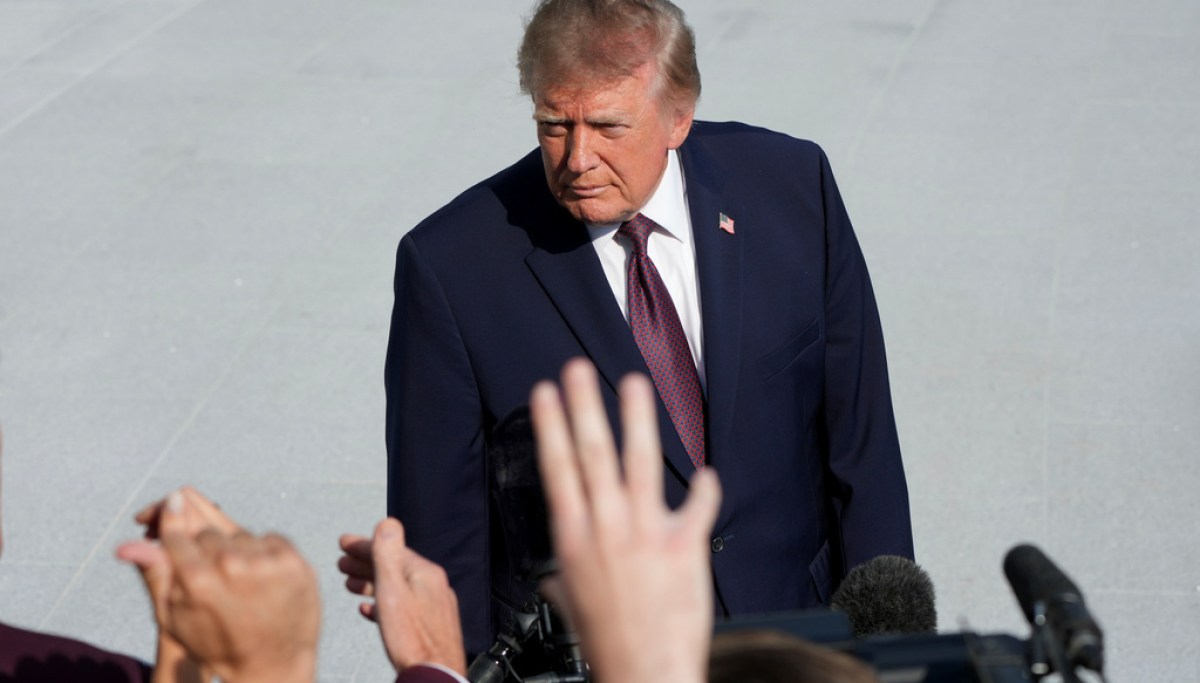
Cover image from aljazeera.com, which was analyzed for this article
Israel rejects including Hezbollah in the US-Iran truce and presses on with airstrikes in southern Lebanon, killing dozens and destroying homes amid Netanyahu's announcement of direct talks. The ongoing conflict strains the fragile ceasefire, with civilian casualties drawing international concern. Trump urged Netanyahu to scale back, but fighting persists as high-level negotiations loom.
PoliticalOS
Friday, April 10, 2026 — Politics
The US-Iran ceasefire's deliberate exclusion of Lebanon has left Israel free to press its long-standing campaign against Hezbollah, producing hundreds of deaths and a mounting humanitarian crisis even as both Israel and Lebanon now agree to direct US-hosted talks. Whether those negotiations can produce a durable disarmament deal before Iran re-closes the Strait of Hormuz or the two-week truce collapses will shape the next phase of Middle East stability. Readers should recognize that every casualty figure and every claim of inclusion or exclusion remains contested; the only undisputed fact is that fighting continues while diplomats race to catch up.
What outlets missed
Most accounts underplayed or omitted Hezbollah's post-ceasefire rocket barrages on April 9-10 that triggered air-raid sirens as far south as Tel Aviv and damaged at least one home in Misgav Am, according to Israeli border authorities and multiple wire reports. Few noted the war's specific trigger: US-Israeli strikes that killed Iran's Supreme Leader Ali Khamenei on February 28 after intelligence indicated accelerated nuclear work and proxy mobilization. Outlets also rarely mentioned the Lebanese government's March ban on Hezbollah military operations or the IDF's claim to have hit more than 100 verified launch sites and command nodes, many embedded in civilian infrastructure. Verified Israeli civilian fatalities from the latest rocket volleys appear close to zero, a detail buried or absent in coverage focused on Lebanese casualty totals. Finally, the 13 US service members killed during the Iran phase of fighting received almost no attention, skewing the human-cost ledger.
Hundreds of Lebanese civilians and fighters have died in the days since a US-brokered ceasefire with Iran was announced, raising fears that one fragile truce could drag the region back into open war. Israeli jets continue to hit targets in southern Lebanon and Beirut suburbs. Global oil prices have edged toward $100 a barrel as traffic through the Strait of Hormuz remains far below normal levels. The central tension is simple and unresolved: Israel insists its campaign against Hezbollah was never part of the Iran deal, while Tehran, Pakistan and much of the international community say it must stop for any larger agreement to hold.
The sequence began on February 28 when US and Israeli strikes hit Iranian military and nuclear sites, killing Supreme Leader Ali Khamenei, according to multiple intelligence summaries. Hezbollah opened a second front on March 2 with missile barrages into northern Israel. Israel responded with an air and limited ground campaign in southern Lebanon that has since killed at least 1,888 people, according to Lebanese health authorities; Israeli officials say the majority were fighters. Hezbollah has fired more than 3,000 rockets and drones since early March, per IDF tallies, though Israeli civilian deaths from the latest barrages remain near zero thanks to interceptions and evacuations.
On Tuesday night Pakistan announced a two-week US-Iran ceasefire. Iranian and Pakistani statements explicitly included Lebanon. Trump and Netanyahu quickly clarified that it did not. Within hours Israeli aircraft struck Beirut and southern villages, killing more than 300 in a single day according to Lebanese officials and the International Committee of the Red Cross. Hezbollah answered with rockets toward Kiryat Shmona, Metula and other border towns. Netanyahu stated publicly there is "no ceasefire in Lebanon" and that strikes would continue "with full force" until Hezbollah is disarmed. He simultaneously directed his cabinet to open direct talks with the Lebanese government.
Those talks are now scheduled for next week in Washington, hosted by the US State Department. Israeli Ambassador Yechiel Leiter and Lebanese counterpart Nada Hamadeh Moawad are expected to attend the first session, though senior figures such as Ron Dermer on the Israeli side and Simon Karam on the Lebanese side may join later rounds. Israel's stated goals are Hezbollah disarmament and a formal peace treaty. Lebanon insists a full ceasefire must precede substantive negotiations. The Lebanese government banned Hezbollah military activities in March, yet the group retains significant political power and an arsenal Israeli officials describe as still intact.
Trump told Netanyahu to be "low-key," according to White House and Israeli sources. Vice President JD Vance, who will lead the US delegation to follow-on Iran talks in Pakistan this weekend, described the Lebanon exclusion as a "legitimate misunderstanding." Iran has warned it will not abandon Hezbollah and has threatened to reseal the Strait of Hormuz, through which one-fifth of global oil and LNG normally passes. Only 11 ships transited in the first 24 hours after the truce, less than a tenth of pre-war volume; roughly 1,400 vessels remain anchored in the Gulf.
International reaction has been sharply critical of the scale of Israeli strikes on densely populated areas. The EU, UK, France, Canada and Japan issued a joint call for full implementation of the ceasefire "including in Lebanon." EU foreign policy chief Kaja Kallas noted that while Hezbollah dragged Lebanon into the conflict, the destruction "makes it hard to argue" the response remains within self-defense. Humanitarian agencies report more than one million displaced, a growing food-security crisis, 600 children killed or wounded since March and systematic damage to bridges over the Litani River that now isolates southern communities. Israeli officials counter that launchers were placed in civilian zones and that strikes target command centers and weapons caches.
The contradiction sits at the heart of the story. Israel and the US maintain the Lebanon campaign is a separate defensive necessity against an Iranian proxy that has attacked Israeli territory for decades. Iran, Hezbollah and much of the Arab world view the continued strikes as proof the larger truce was never serious. Whether next week's Washington meeting can produce even a temporary halt while fighting persists will determine if the Hormuz channel reopens fully, whether sanctions relief becomes possible, and whether the body count in Lebanon stops rising before the two-week window closes.
More in Politics

Federal Agents Search Omar Home in Ongoing Immigration Probe
Homeland Security agents searched the Minnesota Democrat's DC residence in a criminal probe, prompting accusations of political intimidation from Omar and Democratic leaders. Coverage spans left-leaning outlets like NPR, BBC, and The Guardian alongside right-leaning criticism from The Federalist and Daily Wire.

Trump Diesel Import Plan Draws Pushback Over Russia Ties
The weekend agreement drew bipartisan congressional pushback and criticism from Ukraine's Zelenskyy, with analysts downplaying US fuel price impacts. Right-leaning outlets like National Review, Dispatch, and Washington Examiner questioned its legality and effectiveness.

Independents Test Voter Appetite for Middle Ground in 2026 Midterms
Nearly 200 independents are running in competitive races as voters weigh ballot measures on housing costs in states like Massachusetts. Left-leaning coverage from NYT, NPR, and Guardian highlights turnout and key races while right outlets focus on GOP strategy.
Trump Rallies in Alaska, Ohio to Bolster GOP Senate Candidates
The president rallied in Wasilla for Sen. Dan Sullivan and faced empty seats at an Ohio event amid midterm concerns. Outlets across the spectrum covered the trips as signals of GOP vulnerability weeks before Election Day.
The Compass
You just read five takes on one story.
What's your take? Find your political shape in a few minutes.
Take the test