
J&J Settles Talc Cancer Claims for $5.5 Billion
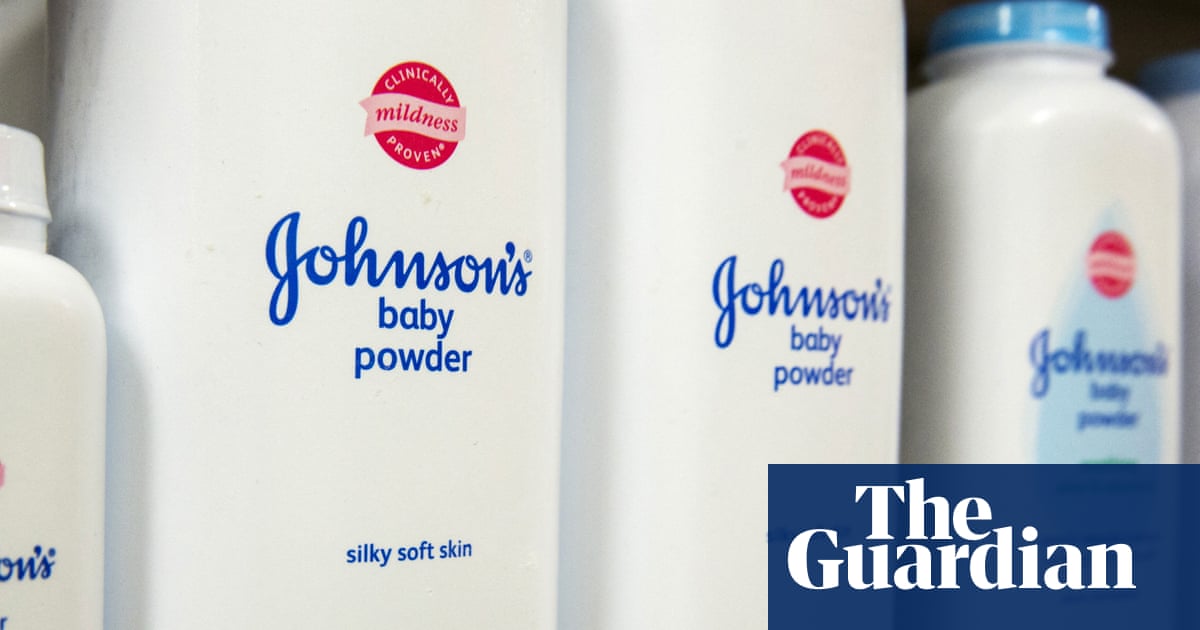
Cover image from theguardian.com, which was analyzed for this article
Johnson & Johnson agreed to a $5.5 billion settlement to resolve decades of baby powder cancer lawsuits. The deal could end long-running litigation across multiple jurisdictions.
PoliticalOS
Tuesday, July 28, 2026 — Business
Johnson & Johnson will pay at least $5.5 billion to resolve nearly all current ovarian cancer claims tied to its talc products, ending a decade of litigation without admitting liability. The agreement accelerates payments for existing claimants while leaving future claims unaddressed and requiring 95 percent participation to finalize.
What outlets missed
Most outlets omitted any reference to the 2024 IARC/WHO classification of talc as probably carcinogenic, leaving the company's safety claims without that external scientific benchmark. UPI alone noted specific prior payouts including a $2.5 billion Missouri resolution in 2021 and a $700 million multistate attorneys general settlement in 2024; these details could not be independently verified. Coverage across outlets provided limited information on how individual claim values are calculated or whether any ovarian cancer claims fall outside the 76,000 covered. The exclusion of future claims, which accelerated payments for current plaintiffs, received only brief mention despite its structural importance compared with earlier bankruptcy proposals.
Johnson & Johnson to Pay Billions After Decade of Talc Cancer Claims
Johnson & Johnson announced Monday it will pay an estimated 5.5 billion dollars to settle tens of thousands of lawsuits claiming its talc-based baby powder and similar products caused ovarian cancer. The agreement covers roughly 76,000 claims in federal and state courts and marks the latest effort by the company to close a legal fight that has stretched more than ten years.
The settlement requires approval from at least 95 percent of the ovarian cancer claimants before it becomes final. Plaintiffs lawyers who helped negotiate the deal described it as a meaningful resolution after prolonged litigation. One attorney representing about 2,500 clients said the total payout could eventually exceed 7 billion dollars once all qualifying claims are processed.
Johnson & Johnson had already resolved most cases alleging its talc contained asbestos and caused mesothelioma. The current agreement focuses on ovarian cancer claims tied to the company marketing its powder for feminine hygiene. Lawsuits accused the firm of failing to warn consumers despite scientific reports dating back to the 1980s that linked genital talc use to increased cancer risk.
Company vice president of litigation Erik Haas called the claims meritless and said further court fights would have favored Johnson & Johnson. He added that the settlement allows the firm to concentrate on developing medicines and devices. The company plans to pay 3 billion dollars in 2027 with additional amounts due in 2028, though the final figure depends on participation rates.
Critics of the arrangement note that Johnson & Johnson has long resisted accountability while women and families bore the costs of illness and treatment. The company previously paid about 2.5 billion dollars in 2021 to resolve earlier talc-related judgments. That history shows a pattern of large payouts after years of denial, even as internal documents and external studies raised red flags about product safety.
The consolidated cases in New Jersey federal court formed the core of the decade-long battle. Thousands of women alleged they developed ovarian cancer after regular use of the powder, often starting in their teens or twenties. Many underwent surgeries, chemotherapy and long recoveries. Their lawyers argued that Johnson & Johnson knew or should have known of the risks yet continued aggressive marketing.
The proposed deal does not include an admission of liability. Johnson & Johnson maintains its products are safe and that the litigation lacks merit. Still, the scale of the settlement underscores the pressure created by coordinated plaintiff efforts and mounting evidence presented in court.
Consumer advocates say the agreement provides some financial relief but falls short of full transparency. They point to the need for stronger regulatory oversight of cosmetic ingredients and clearer labeling requirements. Without those changes, they argue, similar disputes could arise with other personal care products.
Johnson & Johnson expects the deal to remove the bulk of remaining talc claims from its books. For the women and families involved, the payments represent the end of a long wait for recognition that their illnesses may have been preventable. The case illustrates how large corporations can delay resolution for years before agreeing to substantial compensation.
You just read Progressive's take. Want to read what actually happened?
More in Business & Economy

Business Activity Holds Up as Selling Prices Rise Fastest Since 2022
S&P Global PMI shows robust activity but selling prices rise at fastest pace since 2022 amid energy and supply chain costs. Halloween candy prices jump 7.7%.

Stock Futures Climb on Anthropic IPO Filing and AI Financing
Major indices rose on enthusiasm from Anthropic's IPO filing and broader AI infrastructure announcements including Meta's massive fundraising plans. Investors are betting heavily on continued AI growth despite valuation concerns.

Tariffs and AI Transition Fuel Growth and Job Worries
Trump's tariff rhetoric and AI-driven restructuring raised concerns about growth, inflation, and job impacts as markets reacted to geopolitical and tech shifts.

AI Companies Weigh Early IPOs as Risks Mount
Nasdaq fell sharply amid concerns over AI spending sustainability and data center costs; Nvidia, Meta, and others were hit as Meta and Tesla reported earnings.
The Compass
You just read five takes on one story.
What's your take? Find your political shape in a few minutes.
Take the test