
Warsh Pledges Fed Independence as Senators Probe Rates, Wealth and Powell Inquiry
Cover image from washingtonexaminer.com, which was analyzed for this article
President Trump's pick Kevin Warsh, with a $226 million fortune, faced intense Senate scrutiny during his confirmation hearing for Federal Reserve chair amid economic strains from the Iran conflict. Questions centered on his plans for interest rates, Fed independence, and handling inflation. The hearing highlighted partisan divides over monetary policy direction.
PoliticalOS
Tuesday, April 21, 2026 — Business
Warsh's confirmation is not guaranteed in the short term because a single Republican senator's insistence on resolving the Powell probe could stall the committee vote despite the GOP majority. The nominee must persuade lawmakers he will defend data-driven monetary policy even as inflation has risen from the Iran conflict and the president who chose him has repeatedly called for lower rates. The most important fact is that the Fed chair does not set rates alone; any shift will require consensus on a divided FOMC, making credible independence more than rhetorical.
What outlets missed
Multiple outlets omitted or downplayed March 2026 federal court rulings that quashed DOJ subpoenas targeting Powell, describing the inquiry as having "zero evidence" of crime and labeling it pretextual; an appeal was noted but the decisions materially weakened the probe's immediate leverage. Few pieces fully reconciled Warsh's 2006-2011 meeting transcripts, which show consistent inflation concerns, with his more recent writings on AI-driven disinflation, leaving the evolution of his philosophy underscrutinized. Precise timing received short shrift: Trump nominated Warsh in late January, before the Iran conflict began February 28 and before the latest probe developments, yet many stories blurred that sequence. Uncorroborated personal allegations, such as any Jeffrey Epstein connection, appeared in one live blog but were absent from every other account and could not be independently verified. Finally, Powell's separate 14-year governor term runs until January 2028, providing continuity regardless of chair transition; that structural fact was rarely mentioned yet shapes the stakes of any delay.
Trump Nominee Warsh Pledges Fed Independence While Facing Questions Over Wealth Ties and Trump Pressure
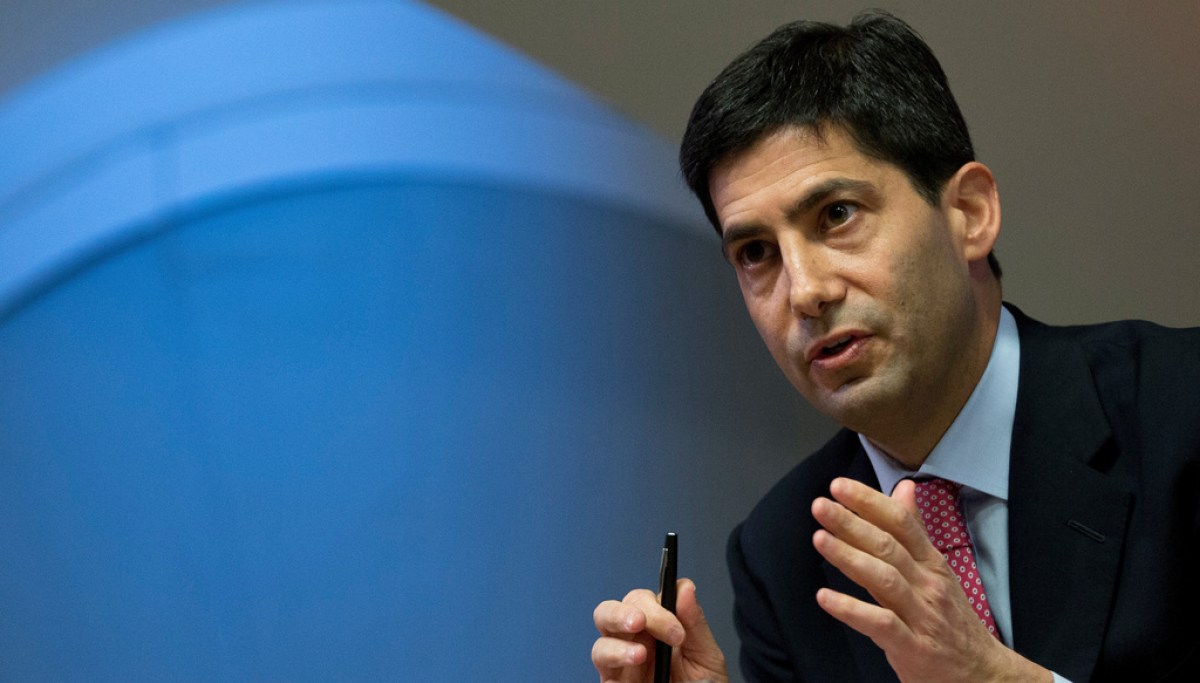
Kevin Warsh arrived on Capitol Hill Tuesday for a confirmation hearing that will test whether the Federal Reserve can maintain even the appearance of independence as President Donald Trump seeks to bend monetary policy to his will. The 56-year-old former Fed governor and Wall Street veteran, nominated to replace Jerome Powell when his term ends May 15, opened with a carefully worded defense of central bank autonomy that nonetheless left ample room for the rate cuts Trump has demanded since returning to office.
“I am committed to ensuring that the conduct of monetary policy remains strictly independent,” Warsh planned to tell the Senate Banking Committee, according to prepared remarks obtained by multiple outlets. He also pledged to fight inflation. Yet those assurances arrive after months of Trump publicly branding Powell a “stubborn MORON” and “jerk,” threatening to fire him, and demanding lower borrowing costs. The hearing takes place against the backdrop of a Justice Department investigation into Powell over Fed headquarters renovations that both Powell and a federal judge have described as a pretext to influence interest rate decisions.
The political obstacles are immediate. All 11 Democrats on the committee urged a delay last week until separate probes into Powell and Fed Governor Lisa Cook conclude. Republican Sen. Thom Tillis of North Carolina has gone further, vowing to block all Fed nominees, including Warsh, until the Justice Department drops its inquiry. With 13 Republicans on the panel, a single defection could stall the nomination. National Economic Council Director Kevin Hassett nevertheless predicted smooth confirmation, telling CNBC the process should move forward.
Lawmakers are expected to press Warsh on multiple fronts, beginning with his personal finances. Newly released disclosures show assets valued between $135 million and $226 million, which would make him the wealthiest Fed chair in history. The sources of that fortune include his marriage to an Estée Lauder heiress and years at Morgan Stanley and a hedge fund mentored by billionaire Stan Druckenmiller. Portions of his holdings remain opaque, prompting concerns about conflicts of interest given the Fed’s power to move markets. Democrats also intend to question past connections to the late sex offender Jeffrey Epstein.
Warsh’s ideological profile adds another layer of tension. During his earlier stint as a Fed governor from 2006 to 2011, he was viewed as hawkish on inflation, favoring tighter policy. Yet he has since criticized the institution as captive to “pointy-headed economists” and outdated models, language that aligns with Republican senators who cast him as a “reformer” ready to “shake up a stagnant institution.” Sen. Dave McCormick, introducing Warsh, is expected to emphasize that theme. In prepared testimony, Warsh struck a delicate balance, stating that “monetary policy independence is essential” while adding that “Fed independence is largely up to the Fed.” The formulation allows him to signal he will not be bullied without directly confronting the president who nominated him.
The economic backdrop has grown more complicated. A recent war between the United States and Iran sent energy prices surging and pushed inflation nearly a full percentage point higher. That development confronts Warsh with the classic central banker’s dilemma: balance Trump’s desire for easier money against price stability. Analysts expect him to avoid specific rate promises while indicating that borrowing costs can come down “a fair amount” if inflation moderates.
The hearing reflects deeper institutional erosion. Past Fed chair confirmations, including Powell’s own reappointment four years ago, drew overwhelming bipartisan support. Warsh’s path appears more partisan. Trump’s open campaign against Powell has already damaged the central bank’s credibility, a point Democrats are certain to underscore. Critics worry that installing a nominee so personally and financially entwined with elite circles, and so clearly preferred by a president who shows contempt for norms, risks turning the world’s most powerful economic institution into an extension of the White House.
Warsh’s supporters counter that his experience in both government and markets equips him to navigate these pressures. He studied under Milton Friedman at Stanford, advised President George W. Bush, and maintains relationships across the financial world. Yet even some former colleagues acknowledge the moment is delicate. Dennis Lockhart, ex-president of the Atlanta Fed, called Warsh’s position “a tough situation to navigate.”
As the hearing unfolds, the central question remains whether Warsh will serve as a bulwark against political interference or as the instrument of it. His opening statement attempts to square that circle by insisting independence depends on the character of the officials who exercise it. Tuesday’s questioning will reveal whether senators believe that character is strong enough to withstand the demands of a president who has already shown he will punish any resistance. The Fed’s reputation, and its ability to steer the economy without fear or favor, may hang on the answer.
You just read Progressive's take. Want to read what actually happened?
More in Business & Economy

Stocks Rise on Earnings as Home Sales Hit Low
Major indices closed mixed to higher, led by healthcare and defensive stocks, as companies like Eli Lilly and UnitedHealth reported strong results. Pending home sales hit record lows.

US Stocks Mixed as Tech Rebounds on AI Optimism
The Dow slipped slightly while the S&P 500 and Nasdaq rose, led by Nvidia, AMD, and Intel gains on renewed AI sector confidence after prior drops. Broader market volatility tied to earnings and data center demand.

Trump Unveils $8 Billion Diesel Relief for Farmers
The Agriculture Department launched the program to offset record diesel prices for farmers, framed as economic aid and a midterm pitch in Kansas amid ongoing inflation and energy cost pressures.
CPI Rises to 3.7 Percent as Energy Costs Climb Amid Iran Conflict
Hotter-than-expected CPI figures fueled rate hike fears and contributed to sharp declines in AI and tech stocks. Left and right economic commentary debates Trump policies versus Fed actions.
The Compass
You just read five takes on one story.
What's your take? Find your political shape in a few minutes.
Take the test