
Maine Democrats Scramble to Replace Senate Nominee by July 27
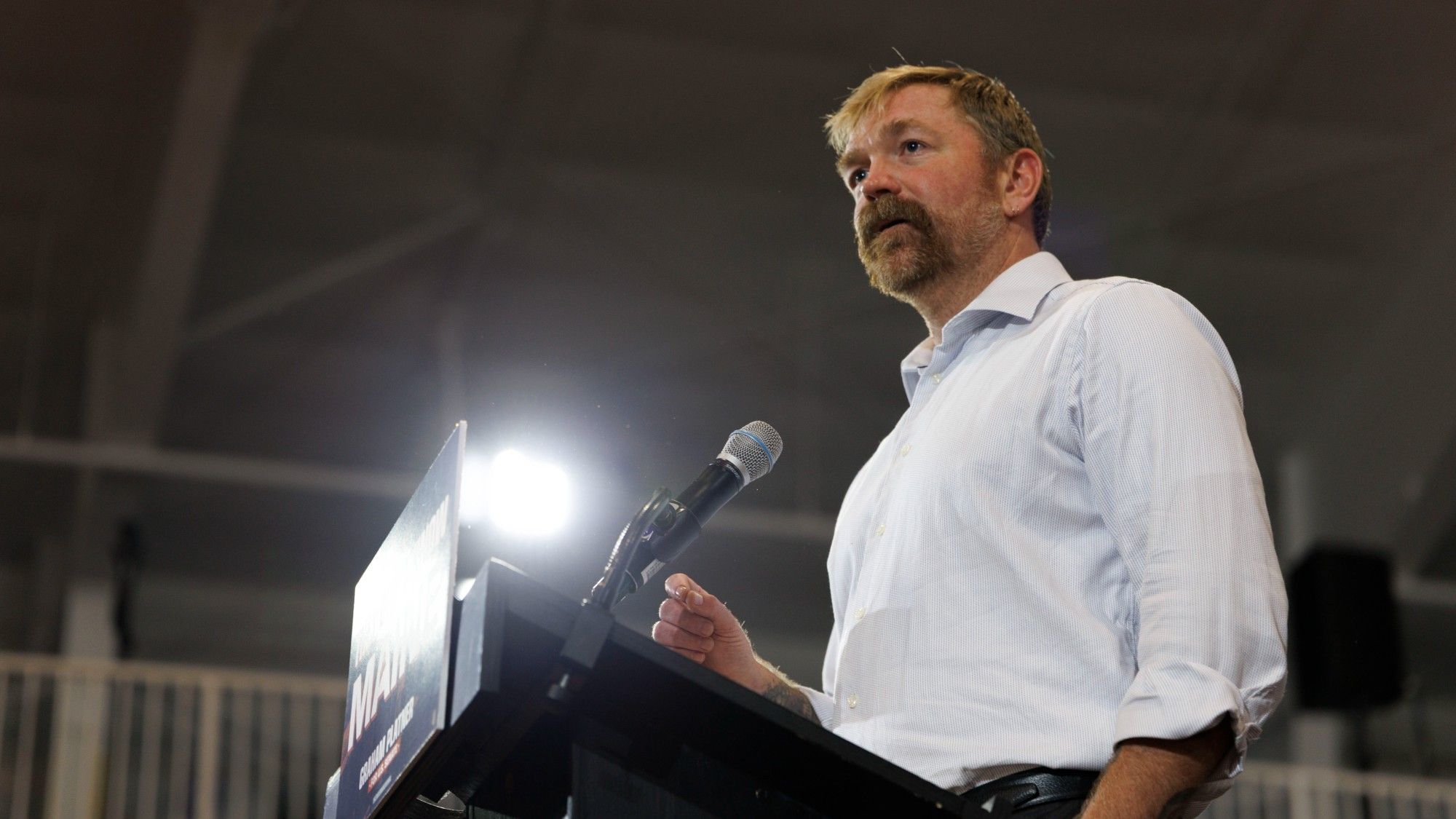
Cover image from theweek.com, which was analyzed for this article
State Democrats must pick a new candidate by July 27 after Platner's campaign collapsed. Progressives seek to preserve grassroots momentum against Sen. Susan Collins.
PoliticalOS
Saturday, July 18, 2026 — Politics
The replacement process now hinges on county delegate elections rather than a broad primary, limiting participation and favoring candidates with established party networks. The outcome will test whether Democrats can preserve the voter coalition Platner built against Susan Collins.
What outlets missed
Most coverage omitted that the convention delegate pool is restricted to Democrats registered by June 9, excluding the unaffiliated voters who boosted Platner in the primary. Few outlets examined whether the sexual-assault allegation altered delegate commitments already secured by Jackson or other candidates. The unverified inclusion of Nirav Shah as a leading contender appeared in one account without corroboration from filings or other reporting. Details on how Platner’s Blackwater-linked employment factored into progressive delegate calculations were largely absent.
Maine Democrats face an urgent deadline to select a new Senate candidate after Graham Platner withdrew from the race against Republican Sen. Susan Collins. The outcome will determine whether the party can sustain the voter coalition that delivered Platner 71 percent of the June primary vote and whether it can mount a credible challenge for control of the U.S. Senate.
Platner’s exit followed a sexual-assault allegation from a former girlfriend, Jenny Racicot, and earlier revelations including a Totenkopf tattoo and reports of unsettling conduct from other ex-partners. He had also drawn scrutiny for prior employment with a security contractor linked to Blackwater. The withdrawal shifted the nomination from the primary electorate to a July 25 convention in Bangor, where 601 delegates chosen in county elections on July 18 and 19 will decide the nominee.
The compressed timeline has forced campaigns to focus on securing friendly delegates rather than broad voter outreach. Troy Jackson, former Maine Senate president, has released full slates of pledged delegates across counties. Nirav Shah, former CDC principal deputy director, has sought support from Platner backers through private outreach. Shenna Bellows, Maine secretary of state, and others including Jordan Wood and Dan Kleban are also competing. County delegate races remain crowded; Androscoggin County alone fielded 188 candidates for 31 slots.
Progressives view Jackson as the strongest option for retaining the grassroots energy Platner generated, citing his alignment on issues such as campaign-finance reform and universal health care. Some delegates, however, are running on pledges to exercise independent judgment rather than commit in advance. The process excludes unaffiliated voters who participated in the semi-open primary, narrowing the selectorate to party members registered by June 9.
Collins has held the seat since 1997 and remains a top Democratic target. The new nominee must be chosen by July 27 to appear on the November ballot. No candidate has yet demonstrated the breadth of support Platner achieved before his withdrawal.
More in Politics

Democrats Flip Senate, Expand House Majority in Midterms
Democrats flipped the Senate and expanded their House majority in a major rebuke to President Trump and Republicans. Key victories included multiple Senate seats and state-level wins that ended long-standing GOP dominance in places like Texas.

GOP Losses Spur Blame, Vance Distancing, 2028 Maneuvers
Republicans are pointing fingers internally after heavy losses, with Vice President JD Vance distancing himself from Trump over the Iran war and positioning for a potential 2028 run. Challengers within the party are already sensing opportunity.

Democrats Take House and Senate Amid Record Midterm Turnout
Democrats achieved decisive gains in the 2026 midterms, flipping seats to take control of both chambers. Coverage highlights historic turnout and implications for the Trump administration.
Democrats Take House and Senate, Constraining Trump
Democrats flipped both the House and Senate in a major rebuke to President Trump and Republicans. The results create divided government and set up battles over spending, oversight, and foreign policy for the remainder of Trump's term.
The Compass
You just read five takes on one story.
What's your take? Find your political shape in a few minutes.
Take the test