
Melania Trump Denies Epstein Ties in Rare Statement, Calls for Survivor Hearings
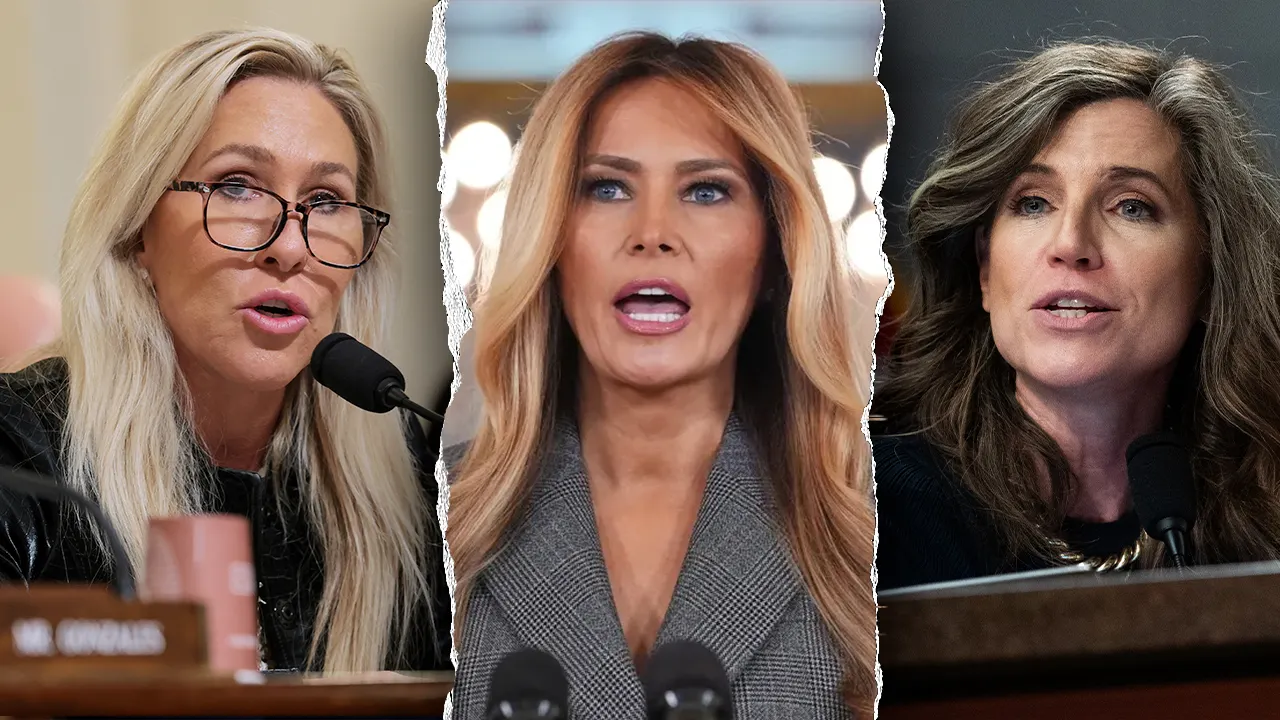
Cover image from foxnews.com, which was analyzed for this article
In a rare public statement, First Lady Melania Trump denied any close relationship with Jeffrey Epstein and called for hearings for his survivors, prompting bafflement and speculation about White House dynamics. Critics and supporters alike reacted, with some Epstein survivors criticizing her and bipartisan lawmakers offering support. The unsolicited remarks caught the Trump team off-guard, fueling questions about her motivations amid ongoing scrutiny.
PoliticalOS
Friday, April 10, 2026 — Politics
Melania Trump's rare public denial underscores that elite social circles in early-2000s New York and Palm Beach created documented overlaps with Jeffrey Epstein years before his crimes became public, yet no evidence has ever linked her to his trafficking or island. Her call for sworn congressional testimony from survivors has produced mixed victim reactions and genuine bipartisan interest in hearings, yet the partial withholding of Epstein files continues to fuel rumors. The single most important reality is that full transparency on all documents remains the only mechanism that can resolve lingering questions, regardless of any individual's motives for speaking.
What outlets missed
Most outlets underplayed or ignored that Melania Trump's statement specifically targeted allegations in Michael Wolff's book claiming Epstein introduced her to Donald Trump, a claim that prompted retractions and legal action. Coverage also minimized the bipartisan nature of support for her call for survivor hearings, which included strong statements from Rep. Nancy Mace and Rep. Thomas Massie on the Republican side alongside Democrats like Robert Garcia. The pre-2008 timing of all documented contacts received little emphasis, even though it aligns with her description of incidental elite social overlap rather than post-conviction association. Finally, several reports omitted that multiple media organizations, including the Daily Beast, had already retracted or apologized for earlier Epstein-Melania stories that did not meet editorial standards, providing direct context for her description of 'mean-spirited' smears.
Melania Trump Rejects Epstein Links and Urges Congress to Hear Victims
First Lady Melania Trump delivered a rare on-camera statement from the White House on Thursday denying any personal relationship with Jeffrey Epstein or Ghislaine Maxwell and calling on lawmakers to hear directly from survivors of the convicted sex offender's trafficking network. The six-minute address came as the Trump administration has sought to focus public attention on the fragile ceasefire in the Middle East following conflict with Iran. It immediately produced confusion among White House officials and prompted criticism from some Epstein victims who viewed it as shifting responsibility rather than advancing full disclosure of government-held records.
Trump began her remarks in the Grand Foyer by stating that "the lies linking me with the disgraceful Jeffrey Epstein need to end today." She described accusations against her as "unfounded and baseless" efforts by "politically-motivated individuals and entities" seeking financial or political gain. The first lady said she and Epstein had "overlapped in social circles" in 2000 but that she had "never been friends with Epstein" and possessed "no knowledge of Epstein's abuse of his victims." She added that she was "not Epstein's victim" and that he did not introduce her to Donald Trump. Correspondence with Maxwell amounted to nothing more than "casual" emails, she said, and her name has never appeared in court documents tied to the case.
The statement surprised even some within the president's circle. President Trump told reporters he had no advance knowledge of its contents. Senior administration officials and a longtime associate described themselves as baffled by both the timing and wording, according to accounts shared with multiple outlets. One adviser close to the president reportedly asked what the first lady was attempting to accomplish. Fox News correspondents said they had contacted every source available, including the president, without explanation for why the topic resurfaced now. The New York Post noted the White House had been trying to move past the Epstein matter as attention shifted to foreign policy and economic pressures from the Iran conflict.
The first lady's call for congressional hearings where survivors could testify received a mixed reaction from those same survivors. A joint statement from more than a dozen victims accused her of "shifting the burden" onto them under "politicized conditions" to protect people in power. They argued that survivors have already shown courage by coming forward and that the focus should instead fall on former Attorney General Pam Bondi and the Department of Justice's handling of remaining files. Some survivors questioned why the first lady did not explicitly demand the full release of withheld documents, which they say continue to shield enablers and risk exposing identities.
Democrats on the House Oversight Committee, which is examining the Epstein matter, seized on the remarks. Ranking member Rep. Robert Garcia of California suggested the first lady had "pushed back" against administration efforts to close the investigation. Lawmakers have since discussed the possibility of calling her to testify, raising the prospect of partisan conflict. Yet the statement also drew support from lawmakers across party lines. Rep. Nancy Mace, a Republican who has advocated releasing the Epstein files, praised the first lady for standing with victims and noted her separate work on legislation targeting non-consensual intimate images. Other figures echoed that the denial appeared consistent with available court records that do not implicate her.
The episode highlights enduring tensions over how much transparency the government owes the public on the Epstein case. For years, portions of investigative files have remained sealed, fueling skepticism about official motives regardless of which party holds power. Critics of expanded disclosure argue it risks re-traumatizing victims and compromising ongoing privacy interests. Supporters counter that sunlight serves justice and deters future abuse by the connected and powerful. Melania Trump's intervention adds a personal dimension. By publicly rejecting what she termed "mean-spirited attempts to defame my reputation," she placed individual accountability at the center of the discussion rather than allowing anonymous leaks or partisan speculation to define the narrative.
Timing remains the central puzzle. The Iran ceasefire has dominated headlines, along with domestic concerns over inflation, energy costs, and border security. Epstein coverage had receded in recent weeks after Acting Attorney General Todd Blanche indicated the files should not drive further action. Some observers speculated the first lady sought to preempt an imminent story. Others viewed the address as frustration boiling over after months of innuendo. Whatever the motivation, the statement has revived debate about whether government institutions have fulfilled their duty to victims or prioritized shielding influential figures.
Epstein's crimes represented a profound failure of elite institutions. Banks, regulators, and social networks enabled predation for years before accountability arrived. In that context, Melania Trump's emphasis on distinguishing fact from smear carries weight. Baseless personal attacks serve no one, least of all the actual victims whose suffering deserves serious attention rather than becoming fodder for political theater. Whether her call for hearings produces genuine progress or additional spectacle will depend on whether Congress pursues evidence over headlines. For now, the first lady has inserted clarity where rumor once prevailed, even if the move unsettled those hoping the chapter had closed. The broader question of full file release persists, a reminder that trust in institutions erodes when transparency appears selective.
You just read Conservative's take. Want to read what actually happened?