
Melania Trump Denies Epstein Ties in Rare Statement, Calls for Survivor Hearings
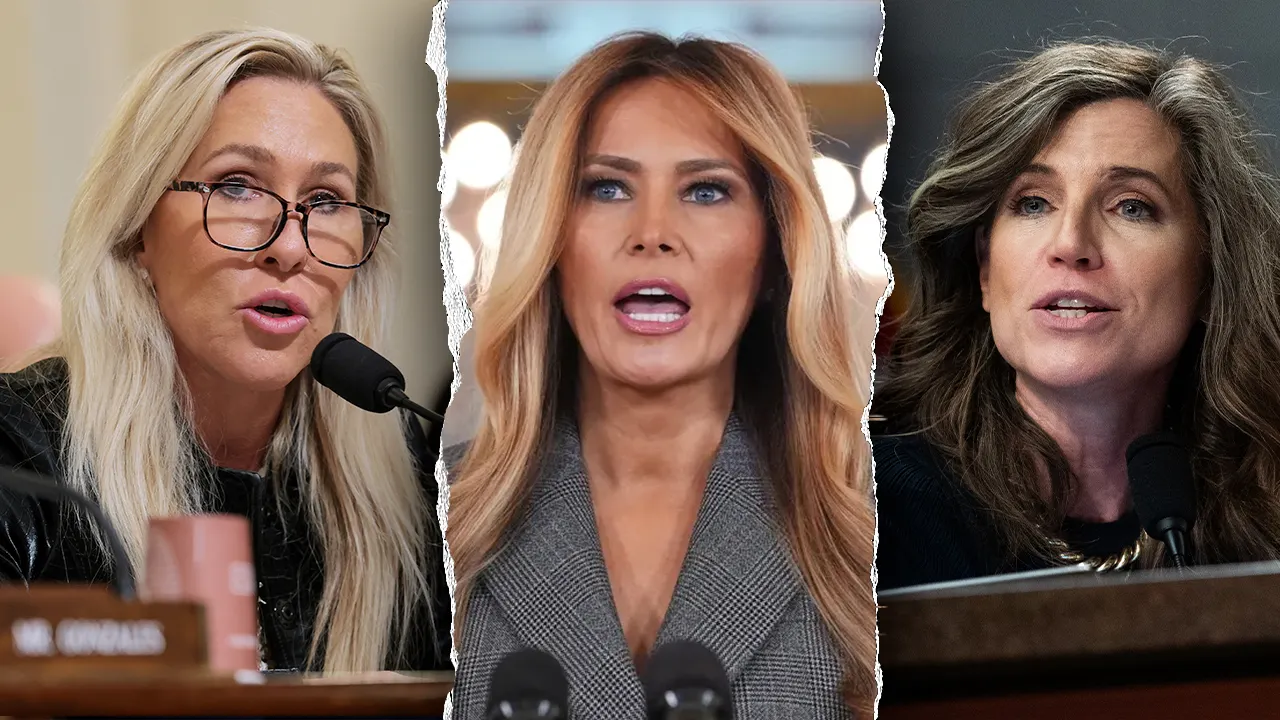
Cover image from foxnews.com, which was analyzed for this article
In a rare public statement, First Lady Melania Trump denied any close relationship with Jeffrey Epstein and called for hearings for his survivors, prompting bafflement and speculation about White House dynamics. Critics and supporters alike reacted, with some Epstein survivors criticizing her and bipartisan lawmakers offering support. The unsolicited remarks caught the Trump team off-guard, fueling questions about her motivations amid ongoing scrutiny.
PoliticalOS
Friday, April 10, 2026 — Politics
Melania Trump's rare public denial underscores that elite social circles in early-2000s New York and Palm Beach created documented overlaps with Jeffrey Epstein years before his crimes became public, yet no evidence has ever linked her to his trafficking or island. Her call for sworn congressional testimony from survivors has produced mixed victim reactions and genuine bipartisan interest in hearings, yet the partial withholding of Epstein files continues to fuel rumors. The single most important reality is that full transparency on all documents remains the only mechanism that can resolve lingering questions, regardless of any individual's motives for speaking.
What outlets missed
Most outlets underplayed or ignored that Melania Trump's statement specifically targeted allegations in Michael Wolff's book claiming Epstein introduced her to Donald Trump, a claim that prompted retractions and legal action. Coverage also minimized the bipartisan nature of support for her call for survivor hearings, which included strong statements from Rep. Nancy Mace and Rep. Thomas Massie on the Republican side alongside Democrats like Robert Garcia. The pre-2008 timing of all documented contacts received little emphasis, even though it aligns with her description of incidental elite social overlap rather than post-conviction association. Finally, several reports omitted that multiple media organizations, including the Daily Beast, had already retracted or apologized for earlier Epstein-Melania stories that did not meet editorial standards, providing direct context for her description of 'mean-spirited' smears.
Melania Trump Rejects Epstein Smears in Surprise White House Statement
First Lady Melania Trump stepped to the podium in the White House Grand Foyer on Thursday and delivered a pointed rejection of what she called baseless lies linking her to Jeffrey Epstein. In a rare on-camera appearance that caught much of Washington off guard, she declared the speculation must end, denied any meaningful relationship with the disgraced financier or Ghislaine Maxwell, and urged Congress to hear directly from Epstein's victims. The statement came as the administration has worked to shift national focus to the fragile ceasefire in Iran and other pressing matters, yet it immediately reignited the very drama the White House had hoped to quiet.
"I have never been friends with Epstein," Mrs. Trump said. "I have never had any knowledge of Epstein's abuse of his victims. I was never involved in any capacity. I was not a participant." She described their encounters as nothing more than overlapping social circles in the early 2000s, long before Epstein's crimes became public. She rejected claims that Epstein introduced her to Donald Trump, calling such stories "mean-spirited attempts to defame my reputation" pushed by people seeking political or financial gain. Her remarks lasted about six minutes and appeared carefully scripted, though they left even some Trump allies scratching their heads about the timing.
President Trump told reporters he had no advance knowledge of the speech or its contents. Multiple administration officials expressed similar surprise, with one close adviser asking pointedly what the first lady was trying to accomplish. Right-leaning outlets including Fox News and the New York Post reported their own confusion, noting the statement seemed to come from out of nowhere at a moment when public attention had moved toward foreign policy. Yet Mrs. Trump, through an adviser, offered a simple explanation: "enough is enough."
The response from Epstein survivors was mixed and in some cases sharply critical. A group of more than a dozen victims accused her of shifting responsibility onto them rather than demanding full release of remaining Justice Department files. They argued her call for congressional testimony placed an unfair burden on those who have already spoken out bravely. California Democrat Robert Garcia, ranking member on the House Oversight Committee, seized on the moment to suggest Mrs. Trump should testify herself, framing her words as undercutting the administration's effort to close the book on the matter.
This is where the story reveals more about today's political warfare than it does about events from two decades ago. For years, corporate media and Democratic operatives have treated the Epstein files as a one-way weapon aimed at Donald Trump, conveniently downplaying the convicted sex offender's documented ties to powerful figures across the aisle, including former President Bill Clinton. Flight logs, photos, and other records show a web of elite connections that spanned both parties and multiple administrations. Yet the outrage machine activates most energetically when the name Trump appears, even as Mrs. Trump herself has never been named in court documents related to Epstein's crimes.
Her statement did draw bipartisan praise from some lawmakers. Republican Representative Nancy Mace of South Carolina, who has pushed for greater transparency on Epstein materials, praised the first lady for standing with victims and noted her prior work on legislation protecting women from non-consensual intimate imagery. Other voices echoed support for her direct condemnation of the smears. Still, the dominant media narrative quickly pivoted to internal White House chaos and suggestions that Mrs. Trump had undermined efforts to move past the scandal.
Political observers noted the unusual nature of a first lady delivering such remarks without apparent coordination. CNN's Stephen Collinson suggested the speech reflected personal frustrations boiling over, potentially setting the stage for Democratic demands that could lead to public testimony and further spectacle. Left-leaning outlets speculated she might have been preempting some future story, though no specific new allegation has surfaced. The timing, with attention on Iran, only fueled questions about whether personal grievances or external pressures prompted the move.
What remains clear is that the Epstein saga refuses to die, not because new evidence suddenly implicates the current first family, but because certain interests profit from keeping it alive. Mrs. Trump has now put her own name and reputation on the line to say the lies must stop. She has called for victims to be heard in Congress, a position that aligns with demands for transparency rather than the selective leaks and political theater that have characterized much of this discussion.
Whether her intervention brings clarity or simply more noise is yet to be seen. Democrats on Capitol Hill appear eager to turn her statement into an invitation for hearings that would put the first lady under oath, a clash that would delight the resistance press. For Americans watching from outside the Beltway, the episode underscores a deeper truth: the same elites who mingled with Epstein for years now lecture the public about accountability, while ordinary citizens wonder why the full files remain partially hidden and why the outrage seems so selectively applied.
Mrs. Trump's willingness to speak forcefully, even if it surprised her husband's team, reflects a refusal to let anonymous smears define her. In an era when reputational attacks serve as political weapons, her direct denial stands out. The coming days will test whether Washington can focus on justice for victims or whether the scandal will remain another tool for partisan combat. The first lady has drawn her line. The rest of the capital must now decide if it will pursue truth or simply chase more headlines.
You just read America First's take. Want to read what actually happened?