
Meta Child Privacy Trial Puts $1.4 Trillion at Stake
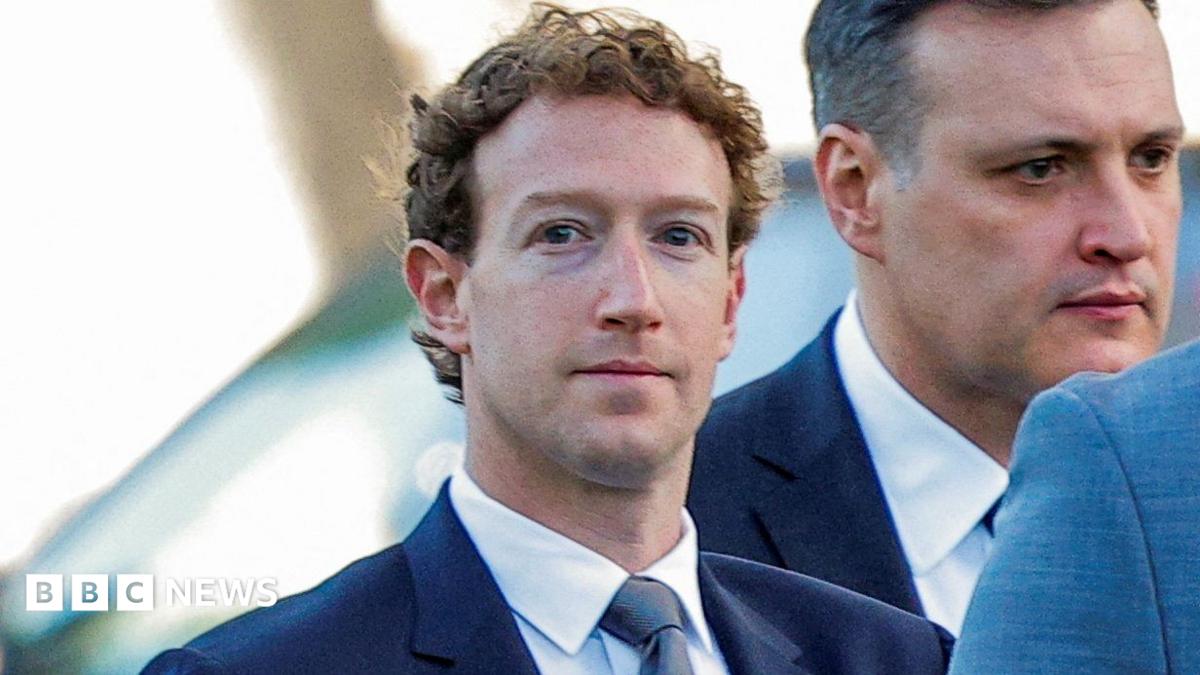
Cover image from bbc.co.uk, which was analyzed for this article
Instagram and Facebook could face major changes if Meta loses a California child safety trial with potential $1.4 trillion in damages. The case centers on privacy violations.
PoliticalOS
Monday, August 17, 2026 — Tech
The trial will determine whether statutory penalties and design changes can be imposed on Meta for alleged child-privacy violations; the $1.4 trillion maximum is a theoretical ceiling unlikely to be reached, yet any structural remedies could still reshape features for young users in the four plaintiff states.
What outlets missed
The precise list of requested remedies—such as ending like counts, infinite scroll, and ephemeral posts—appears in the BBC account but could not be independently verified in the other two outlets’ reporting. The BBC also states that 30 states filed the original suit and seeks “upwards of $1 trillion,” figures that differ from the $1.4 trillion maximum and four-state trial configuration reported elsewhere. No outlet examined Meta’s internal research documents cited in the complaint or the specific statutory penalty calculations underlying the $1.4 trillion figure.
Meta Confronts Sweeping Lawsuit Over Instagram and Facebook Design Choices
A federal trial opening Tuesday in Oakland, California, will test whether Meta knowingly built features into Instagram and Facebook that harmed young users while violating child privacy laws. Thirty states, led initially by California, Colorado, Kentucky and New Jersey, accuse the company of designing its platforms to maximize time spent by minors, often without parental oversight, in pursuit of revenue growth.
The case centers on specific product choices. Prosecutors argue that visible like counts, infinite scroll, autoplay videos, appearance-altering filters and recommendation systems optimized for engagement function as mechanisms to extend sessions and increase data collection. They also target the ease of creating multiple accounts and the use of disappearing posts such as Stories, claiming these tools make it harder for young people to disengage. The states further allege that Meta collected data on children under 13 without required parental consent, breaching federal standards.
Financial exposure is substantial. Court filings show the states could seek damages approaching 1.4 trillion dollars if liability is established across multiple violations. Beyond money, the plaintiffs are asking the court to order concrete changes, including parental verification for teen accounts, removal of certain filters, limits on algorithmic recommendations and an end to practices that encourage repeated logins through notifications.
Meta maintains it has invested heavily in youth safety tools and will present evidence of that work at trial. The company says it consulted parents, experts and law enforcement before implementing its current policies and disputes the characterization that its features were deliberately manipulative. It has already signaled plans to appeal any adverse ruling.
The stakes extend beyond this single proceeding. Meta has absorbed losses in two earlier child-safety cases this year, and the cumulative legal pressure coincides with a reported profit decline tied in part to more than two billion dollars in recent legal costs. A loss here could compel the company to alter core engagement mechanics that have defined its growth model, particularly among younger demographics.
Broader questions about platform incentives surface throughout the litigation. The states contend that Meta treated increased usage by minors as a business objective rather than a risk to be mitigated, even when internal research raised concerns about mental health effects. If the jury accepts that framing, the remedies could reshape how recommendation systems and notification designs operate not only for teens but across the platforms.
Other states among the original thirty are scheduled for separate proceedings later, suggesting the California outcome may influence subsequent negotiations or settlements. Regulators elsewhere have watched similar suits, and any mandated design changes could serve as precedents for future oversight of attention-driven business models. The trial therefore functions less as an isolated dispute and more as a test of whether courts will require technology companies to adjust product features when evidence shows systematic effects on a vulnerable population.
You just read Liberal's take. Want to read what actually happened?
More in Technology

Democratic Wins Heighten Scrutiny of Data Center Expansion
Newly empowered Democrats signaled opposition to rapid AI data center growth on public lands and elsewhere. This contributed to market pressure on chipmakers and infrastructure firms.
Nvidia Faces Added Scrutiny on AI Shipments After Midterms
Nvidia faces increased monitoring of accelerator shipments amid smuggling concerns to China. Broader regulatory uncertainty from the election weighed on the sector.

Google Ties Search Access to AI Opt-In for K-12 Schools
Google will turn its AI tools off by default for K-12 students starting in 2027 and will restrict Search access for schools that fully block AI. The policy reflects deeper integration of AI into core products. Right-leaning New York Post and tech coverage noted the changes.

FBI Ties $6.3 Billion Binance Hack to North Korea; Pyongyang Fires Missiles
The FBI linked the theft of over $6 billion in cryptocurrency from Binance to North Korea's Lazarus Group, citing social engineering. Laundering the funds is expected to take months. Engadget, New York Post, and other outlets reported on the investigation.
The Compass
You just read five takes on one story.
What's your take? Find your political shape in a few minutes.
Take the test