
Meta Child Privacy Trial Puts $1.4 Trillion at Stake
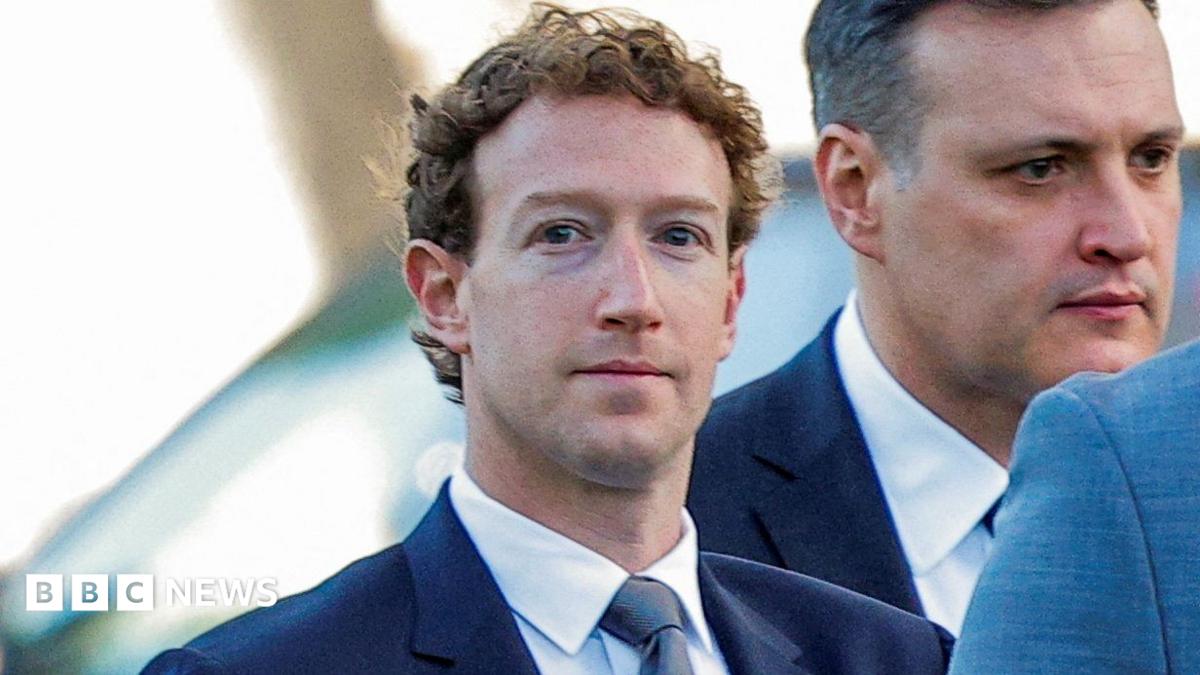
Cover image from bbc.co.uk, which was analyzed for this article
Instagram and Facebook could face major changes if Meta loses a California child safety trial with potential $1.4 trillion in damages. The case centers on privacy violations.
PoliticalOS
Monday, August 17, 2026 — Tech
The trial will determine whether statutory penalties and design changes can be imposed on Meta for alleged child-privacy violations; the $1.4 trillion maximum is a theoretical ceiling unlikely to be reached, yet any structural remedies could still reshape features for young users in the four plaintiff states.
What outlets missed
The precise list of requested remedies—such as ending like counts, infinite scroll, and ephemeral posts—appears in the BBC account but could not be independently verified in the other two outlets’ reporting. The BBC also states that 30 states filed the original suit and seeks “upwards of $1 trillion,” figures that differ from the $1.4 trillion maximum and four-state trial configuration reported elsewhere. No outlet examined Meta’s internal research documents cited in the complaint or the specific statutory penalty calculations underlying the $1.4 trillion figure.
US States Launch Major Assault on Meta Over Alleged Exploitation of Children
A federal court in Oakland, California, is set to begin a closely watched trial on Tuesday that could reshape how Instagram and Facebook operate for millions of young users. Thirty states, led initially by California, Colorado, Kentucky and New Jersey, accuse Meta of systematically violating federal and state privacy laws while deliberately engineering its platforms to hook children and teenagers.
The lawsuit, filed in 2023, claims Meta has prioritized profit over child welfare by deploying addictive features such as infinite scroll, like counts, autoplay videos, appearance-altering filters and dopamine-driven recommendation algorithms. Prosecutors argue these tools are designed to keep young people scrolling for as long as possible, contributing to a documented youth mental health crisis. They further allege the company routinely collected data on children under 13 without parental consent, breaching federal privacy protections.
The states are seeking operational overhauls that strike at the core of Meta’s business model. Demands include ending like counts and infinite scrolling for minors, requiring parental verification for teenage accounts, banning multiple accounts per user, halting ephemeral content like Stories, and removing many image filters. They also want to curb frequent notifications that pull users back onto the apps and to end autoplay of videos. In total, the states estimate potential damages could reach 1.4 trillion dollars, a figure Meta itself disclosed in court filings.
This case arrives after Meta suffered successive court defeats this year on similar child-safety claims. The company reported a rare quarterly profit decline last month, partly tied to 2.4 billion dollars in legal costs. Meta maintains it disputes the allegations and insists its policies reflect input from parents, experts and law enforcement. In a statement, the firm said trial evidence will demonstrate its commitment to young users.
Yet the scale of the requested remedies signals that regulators view Meta’s current safeguards as insufficient. Previous internal documents cited in related litigation have shown company researchers warning about the platforms’ effects on adolescent well-being, only for those concerns to be subordinated to growth targets. The current trial will test whether those choices amount to knowing exploitation rather than inadvertent side effects of a profit-driven enterprise.
If the states prevail, the resulting injunctions could force Meta to fundamentally redesign how its platforms function for anyone under 18. Such changes would not only affect user engagement metrics but could also set precedents for how other social media companies treat minors. The remaining 26 states are expected to pursue their own trials later, potentially compounding the financial and structural pressure on the Menlo Park-based giant.
For families who have watched children struggle with compulsive use and mental health fallout, the proceedings represent a rare opportunity to hold one of the world’s most powerful tech firms to account. The outcome will determine whether Meta’s business model can continue to treat young users as resources to be maximized or whether meaningful limits will finally be imposed.
You just read Progressive's take. Want to read what actually happened?
More in Technology

Democratic Wins Heighten Scrutiny of Data Center Expansion
Newly empowered Democrats signaled opposition to rapid AI data center growth on public lands and elsewhere. This contributed to market pressure on chipmakers and infrastructure firms.
Nvidia Faces Added Scrutiny on AI Shipments After Midterms
Nvidia faces increased monitoring of accelerator shipments amid smuggling concerns to China. Broader regulatory uncertainty from the election weighed on the sector.

Google Ties Search Access to AI Opt-In for K-12 Schools
Google will turn its AI tools off by default for K-12 students starting in 2027 and will restrict Search access for schools that fully block AI. The policy reflects deeper integration of AI into core products. Right-leaning New York Post and tech coverage noted the changes.

FBI Ties $6.3 Billion Binance Hack to North Korea; Pyongyang Fires Missiles
The FBI linked the theft of over $6 billion in cryptocurrency from Binance to North Korea's Lazarus Group, citing social engineering. Laundering the funds is expected to take months. Engadget, New York Post, and other outlets reported on the investigation.
The Compass
You just read five takes on one story.
What's your take? Find your political shape in a few minutes.
Take the test