
Meta Trial Opens Over Claims Instagram, Facebook Addict Youth
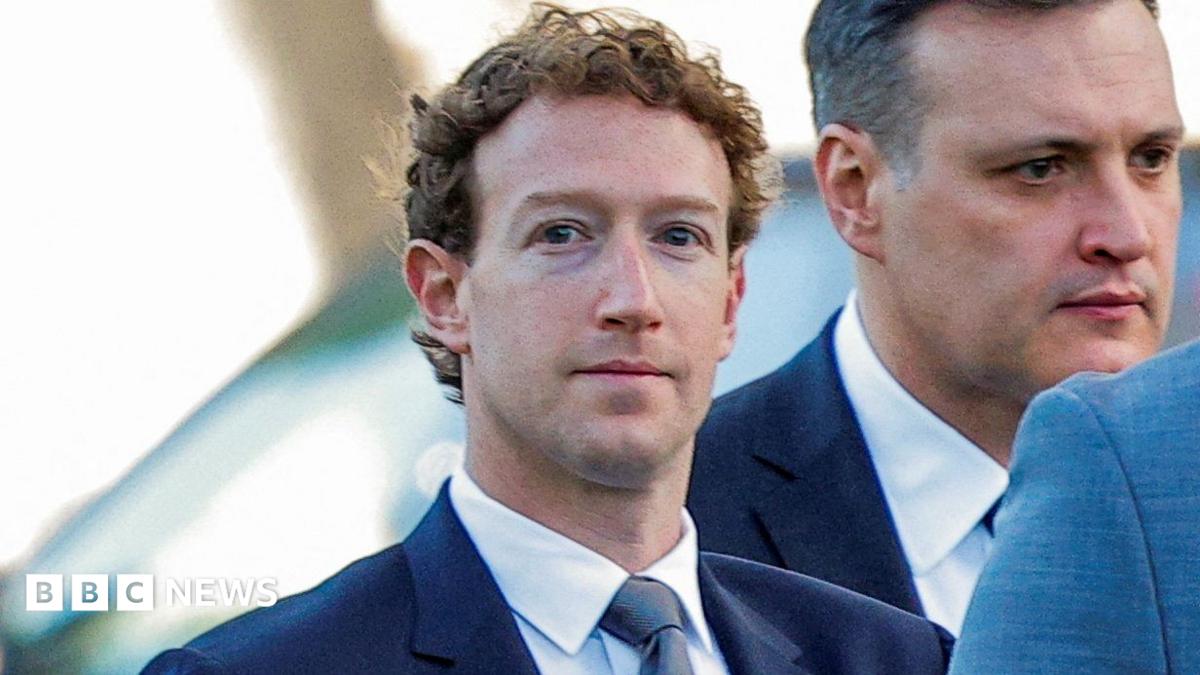
Cover image from bbc.co.uk, which was analyzed for this article
Multiple states sued Meta in a high-stakes case alleging Instagram and Facebook are designed to addict children, with opening arguments underway and potential damages in the trillions.
PoliticalOS
Tuesday, August 18, 2026 — Tech
The trial centers on whether Meta must redesign engagement features for minors and pay substantial damages; four states are litigating this case while Meta denies the claims and a separate New Mexico verdict already required changes and a $567 million payment.
What outlets missed
The precise roster of four states litigating this specific federal trial rather than the larger original coalition. The March 2026 New Mexico jury verdict and $567 million award as the only completed parallel proceeding. Meta's documented safety-tool arguments and internal metrics on existing age-verification measures, which received only generic denial treatment. Exact damages figures remain unverified across sources and range from $200 billion to $1.4 trillion without docket confirmation.
Meta Trial Puts Spotlight on Big Tech Exploitation of America's Youth
A landmark trial against Meta begins this week in California with attorneys general from 30 states accusing the parent company of Facebook and Instagram of deliberately engineering its platforms to addict children and teens for profit. The case, filed in 2023, alleges repeated violations of privacy laws and charges that features like endless scrolling, like counts, and algorithm-driven recommendations are designed to manipulate young users' dopamine responses and keep them hooked.
Opening statements are scheduled for Tuesday. The states seek not only massive financial penalties that could reach into the trillions but also sweeping changes to how Instagram and Facebook operate for anyone under 18. Among the demands are mandatory parental verification for teen accounts, an end to disappearing posts like Stories, removal of appearance-altering filters, and a halt to autoplay videos. Prosecutors argue these tools make it nearly impossible for kids to log off and that Meta has ignored internal warnings about mental health harms.
Court filings claim Meta collected data on children under 13 without parental consent and actively made it harder for young users to reduce their time on the apps through constant notifications. The states describe a business model that prioritizes growth and engagement over safety, accusing the company of exploiting minors to expand its user base and advertising revenue. Damages estimates from the attorneys general range from $200 billion to as high as $1.4 trillion depending on how liability is calculated.
Meta has pushed back hard, calling the financial demands disproportionate and the claims unsubstantiated. Company statements insist the platforms include tools for parents and that the states are chasing headlines rather than facts. Yet internal documents referenced in the lawsuit suggest executives were aware of the addictive nature of the design choices long before the suit was filed.
This case stands apart from earlier regulatory actions because it targets the core mechanics of the platforms themselves rather than just content moderation failures. If the jury sides with the states, Meta could face permanent restrictions on features that have defined social media for a generation. Similar lawsuits have already produced large settlements in places like New Mexico, and appeals courts have allowed addiction-related claims to move forward in other jurisdictions.
Critics of Silicon Valley have long pointed to the concentrated power these companies wield over daily life, especially for families trying to shield children from constant digital pressure. The trial arrives amid growing public frustration with how tech giants prioritize scale and data collection above everything else. Whether the outcome forces real changes or simply results in another payout remains to be seen, but the proceedings will lay bare exactly how these platforms were built and who they were built to serve.
You just read America First's take. Want to read what actually happened?
More in Technology

Democratic Wins Heighten Scrutiny of Data Center Expansion
Newly empowered Democrats signaled opposition to rapid AI data center growth on public lands and elsewhere. This contributed to market pressure on chipmakers and infrastructure firms.
Nvidia Faces Added Scrutiny on AI Shipments After Midterms
Nvidia faces increased monitoring of accelerator shipments amid smuggling concerns to China. Broader regulatory uncertainty from the election weighed on the sector.

Google Ties Search Access to AI Opt-In for K-12 Schools
Google will turn its AI tools off by default for K-12 students starting in 2027 and will restrict Search access for schools that fully block AI. The policy reflects deeper integration of AI into core products. Right-leaning New York Post and tech coverage noted the changes.

FBI Ties $6.3 Billion Binance Hack to North Korea; Pyongyang Fires Missiles
The FBI linked the theft of over $6 billion in cryptocurrency from Binance to North Korea's Lazarus Group, citing social engineering. Laundering the funds is expected to take months. Engadget, New York Post, and other outlets reported on the investigation.
The Compass
You just read five takes on one story.
What's your take? Find your political shape in a few minutes.
Take the test