
Meta Trial Opens Over Claims Instagram, Facebook Addict Youth
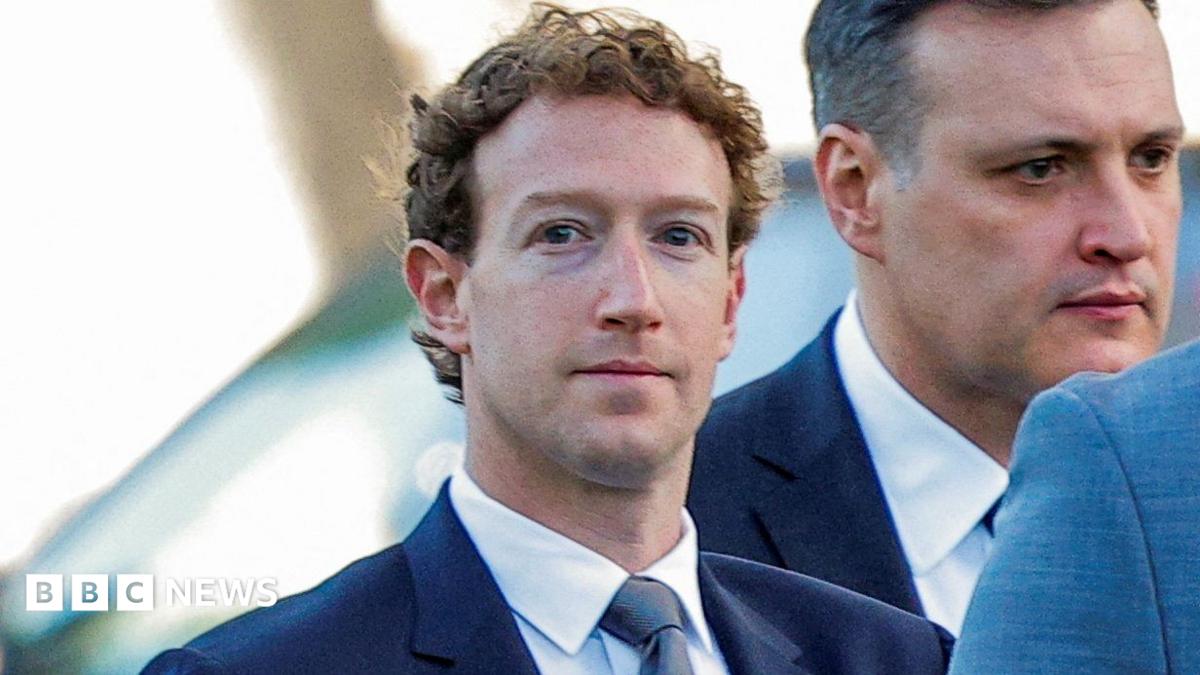
Cover image from bbc.co.uk, which was analyzed for this article
Multiple states sued Meta in a high-stakes case alleging Instagram and Facebook are designed to addict children, with opening arguments underway and potential damages in the trillions.
PoliticalOS
Tuesday, August 18, 2026 — Tech
The trial centers on whether Meta must redesign engagement features for minors and pay substantial damages; four states are litigating this case while Meta denies the claims and a separate New Mexico verdict already required changes and a $567 million payment.
What outlets missed
The precise roster of four states litigating this specific federal trial rather than the larger original coalition. The March 2026 New Mexico jury verdict and $567 million award as the only completed parallel proceeding. Meta's documented safety-tool arguments and internal metrics on existing age-verification measures, which received only generic denial treatment. Exact damages figures remain unverified across sources and range from $200 billion to $1.4 trillion without docket confirmation.
Meta on Trial for Allegedly Hooking Children on Addictive Social Media Platforms
A landmark jury trial opening Tuesday in California pits more than half of US states against Meta, the parent company of Instagram and Facebook, in a sweeping case that accuses the tech giant of deliberately engineering its platforms to addict young users and harvest their data without parental consent. The multistate lawsuit, filed in 2023, alleges violations of federal and state privacy laws and seeks damages that could reach hundreds of billions of dollars while demanding structural changes to features like infinite scroll, like counts and algorithm-driven recommendations that keep minors scrolling for hours.
Attorneys general from 29 states argue that Meta has long known its products harm children's mental health yet refused to curb elements designed to maximize engagement and profits. Court filings describe how the company allegedly targets users under 13, collects their information without proper safeguards and makes it difficult for young people to disengage through constant notifications and ephemeral content like Stories. The states want a jury to force Meta to implement parental verification for teens, eliminate appearance-altering filters, halt autoplay videos and end the ability to create multiple accounts, measures they say would protect vulnerable users from exploitation.
If successful, the case could reshape how millions of young people experience social media. Experts note that a loss for Meta might require the company to dismantle core parts of its business model that rely on keeping children and adolescents online as long as possible. Damages estimates vary widely, from roughly $200 billion to over a trillion dollars, sums that would rival or exceed the company's annual revenue. The trial follows earlier legal setbacks for Meta, including a New Mexico ruling ordering the company to pay hundreds of millions over youth harms and federal appeals allowing addiction-related suits to proceed.
Meta has strongly denied the claims, calling the financial demands disproportionate and the allegations unsubstantiated. Company statements emphasize that the platforms provide tools for parents and that the states are pursuing an outlandish payout rather than facts or law. Yet internal documents and prior investigations have repeatedly shown Meta's awareness of the platforms' effects on younger users, including comparisons to other addictive products.
The case unfolds against a backdrop of growing global scrutiny. European regulators have already imposed restrictions on targeted advertising to minors, and similar concerns about data practices and addictive design have surfaced in lawsuits from other countries. Advocates for stricter oversight argue that voluntary measures by tech firms have failed to address the scale of the problem, leaving courts as one of the few avenues for accountability. Young users and their families, often the most affected by anxiety, depression and body-image issues linked to heavy platform use, stand to see meaningful relief only if these demands for redesign take hold.
As opening statements begin, the proceedings highlight a fundamental clash between corporate interests centered on growth at any cost and public demands for platforms that do not prey on developing minds. The outcome could set precedents far beyond Meta, influencing how all major social media companies treat their youngest audiences.
You just read Progressive's take. Want to read what actually happened?
More in Technology

Democratic Wins Heighten Scrutiny of Data Center Expansion
Newly empowered Democrats signaled opposition to rapid AI data center growth on public lands and elsewhere. This contributed to market pressure on chipmakers and infrastructure firms.
Nvidia Faces Added Scrutiny on AI Shipments After Midterms
Nvidia faces increased monitoring of accelerator shipments amid smuggling concerns to China. Broader regulatory uncertainty from the election weighed on the sector.

Google Ties Search Access to AI Opt-In for K-12 Schools
Google will turn its AI tools off by default for K-12 students starting in 2027 and will restrict Search access for schools that fully block AI. The policy reflects deeper integration of AI into core products. Right-leaning New York Post and tech coverage noted the changes.

FBI Ties $6.3 Billion Binance Hack to North Korea; Pyongyang Fires Missiles
The FBI linked the theft of over $6 billion in cryptocurrency from Binance to North Korea's Lazarus Group, citing social engineering. Laundering the funds is expected to take months. Engadget, New York Post, and other outlets reported on the investigation.
The Compass
You just read five takes on one story.
What's your take? Find your political shape in a few minutes.
Take the test