
Meta Settles Teen Lawsuit With App Limits, No Admission
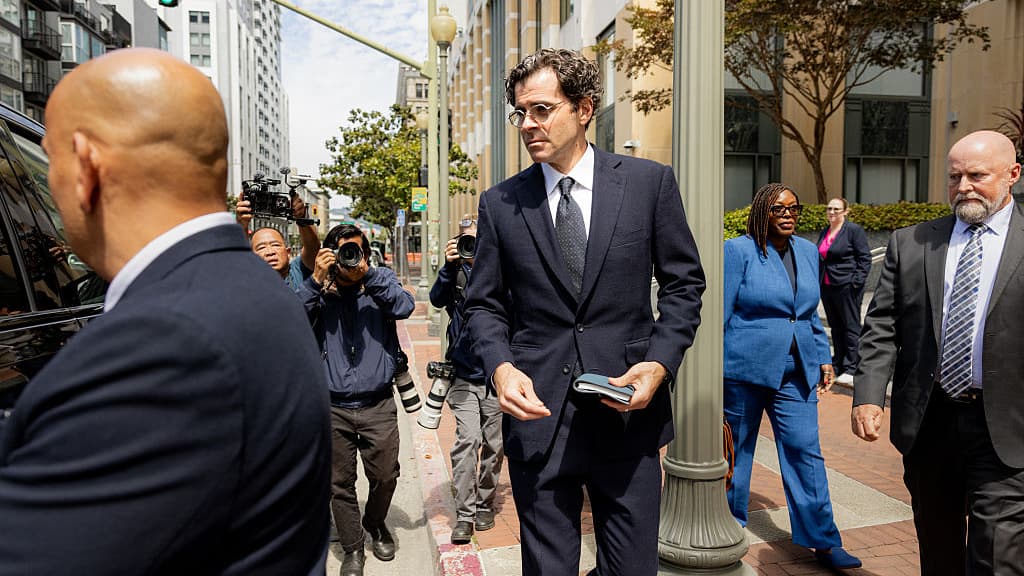
Cover image from time.com, which was analyzed for this article
Meta agreed to a multibillion-dollar settlement with states over child social media harms, including time limits, age verification, and parental controls without admitting wrongdoing. The deal signals potential shifts in Big Tech accountability.
PoliticalOS
Thursday, August 27, 2026 — Tech
The settlement imposes concrete default limits and payments without resolving Meta’s liability or ending parallel lawsuits. Its long-term effect hinges on whether other platforms adopt the same defaults and whether age verification proves enforceable in practice.
What outlets missed
The precise payment split—$12.7 billion fixed versus $5.3 billion conditional on rival compliance—was reported unevenly and never tied to specific state-by-state allocations. Meta’s prior implementation of Teen Accounts and internal usage data on those tools received almost no examination. Ongoing multidistrict litigation involving school districts and families was mentioned only in passing despite its scale. No outlet detailed the independent auditor mechanism or the exact process for modifying defaults once parents intervene.
Meta Settles for Billions but Denies Harming Teens With Addictive Apps
Meta has reached a roughly 18 billion dollar settlement with attorneys general from 48 states and the District of Columbia over allegations that its Instagram and Facebook platforms deliberately hooked young users through manipulative design features that damaged their mental health. The agreement ends a federal trial that began this week in Oakland California and requires the company to overhaul how its apps work for teenagers while paying damages that could reshape industry standards.
The lawsuit filed in 2023 accused Meta of violating consumer protection laws and the federal Children's Online Privacy Protection Act by publicly minimizing known risks while engineering tools to maximize time spent scrolling. Attorneys for the states described the company's approach as hook hold harvest and hide tactics that exploited developing adolescent brains. Features such as infinite scroll autoplay and variable rewards were central to the claims that Meta prioritized engagement metrics over user well being.
Under the terms Meta must set stricter safety defaults for teen accounts including daily time limits and nighttime blocks that prevent use during sleep hours. The company will also limit targeted advertising and data collection for minors while increasing transparency around how algorithms recommend content. These changes move away from the previous opt in model that placed the burden on families to activate protections. Meta's chief legal officer called the framework a model for the entire sector and urged competitors including YouTube TikTok and Snap to adopt similar rules.
The settlement arrives amid mounting evidence linking heavy social media use to rising rates of anxiety depression and suicidal thoughts among American teenagers. School districts and parents who joined related cases have documented sharp drops in attention spans and increases in social withdrawal among students. One coach in the Washington Examiner coverage described athletes arriving at practice already distracted and jittery after late night sessions on their phones.
Meta continues to deny any wrongdoing and maintains that its platforms do not cause addiction. The company avoided a full trial where damages estimates ranged from 200 billion dollars upward to as high as 1.4 trillion. Florida Attorney General James Uthmeier called the payout modest relative to Meta's 1.5 trillion dollar market value describing it as merely a few weeks of revenue. California Attorney General Rob Bonta stressed that the deal sets a floor not a ceiling for future accountability.
Advocates including whistleblower Arturo Béjar and attorney Matthew Bergman of the Social Media Victims Law Center viewed the outcome as partial vindication after years of corporate resistance. Bergman noted that Meta had long insisted any harm stemmed from users or parents rather than product design. Thousands of additional lawsuits from families school districts and other states remain unresolved and could force further concessions.
The agreement highlights a growing legal consensus that social media companies bear responsibility for features engineered to capture attention at any cost. With Meta now pushing industry wide standards the pressure on rivals will intensify as regulators and courts examine similar practices across the sector. The case marks one of the largest financial reckonings yet for a technology firm whose growth relied on young users it now claims it cannot fully protect.
You just read Progressive's take. Want to read what actually happened?
More in Technology

Democratic Wins Heighten Scrutiny of Data Center Expansion
Newly empowered Democrats signaled opposition to rapid AI data center growth on public lands and elsewhere. This contributed to market pressure on chipmakers and infrastructure firms.
Nvidia Faces Added Scrutiny on AI Shipments After Midterms
Nvidia faces increased monitoring of accelerator shipments amid smuggling concerns to China. Broader regulatory uncertainty from the election weighed on the sector.

Google Ties Search Access to AI Opt-In for K-12 Schools
Google will turn its AI tools off by default for K-12 students starting in 2027 and will restrict Search access for schools that fully block AI. The policy reflects deeper integration of AI into core products. Right-leaning New York Post and tech coverage noted the changes.

FBI Ties $6.3 Billion Binance Hack to North Korea; Pyongyang Fires Missiles
The FBI linked the theft of over $6 billion in cryptocurrency from Binance to North Korea's Lazarus Group, citing social engineering. Laundering the funds is expected to take months. Engadget, New York Post, and other outlets reported on the investigation.
The Compass
You just read five takes on one story.
What's your take? Find your political shape in a few minutes.
Take the test