
Artemis II Crew Nears High-Stakes Reentry After Record Lunar Flyby
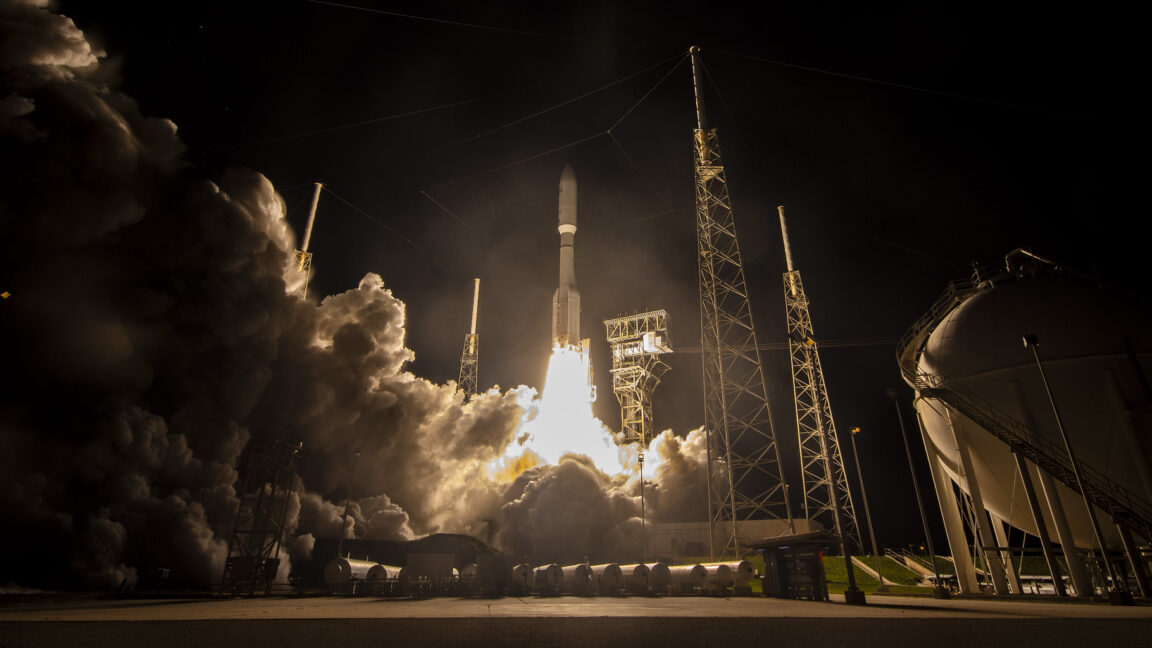
Cover image from arstechnica.com, which was analyzed for this article
NASA's Artemis II crewed lunar mission is nearing its conclusion with the spacecraft set to reenter Earth's atmosphere and splash down in the Pacific Ocean after orbiting the Moon. Despite a helium leak in the Orion capsule requiring future redesigns, officials confirm no threat to the crew's safety during reentry. The mission marks a key milestone in NASA's return to the Moon, generating widespread coverage amid technical updates and live viewing guides.
PoliticalOS
Friday, April 10, 2026 — Tech
Artemis II's safe return would confirm that NASA has addressed the worst problems from its uncrewed test flight and taken humans farther into space than anyone in half a century, yet the helium valve redesign, heat shield adjustments and multi-year program delays show how much work remains before sustained lunar presence is realistic. The mission's real legacy lies in the data gathered for Artemis III and IV, not nostalgia or political symbolism. Readers should recognize that every successful splashdown reduces but does not eliminate the engineering and budgetary hurdles still ahead.
What outlets missed
Most coverage omitted the full scale of Artemis program delays and cost overruns, including the SLS rocket rising from a $5 billion baseline to roughly $20 billion per unit and repeated slips from 2024 landing targets to 2028 under multiple administrations. Outlets underplayed that the helium leak traces to valves in the European-built service module, which is discarded before reentry, and that NASA identified the Artemis I heat shield charring cause as strap deformation and adjusted the trajectory without replacing the shield on this flight. Few connected the mission's restructuring under Administrator Jared Isaacman to the need for an extra Earth-orbit test flight because only one Interim Cryogenic Propulsion Stage remains, forcing reliance on yet-to-be-built hardware for Artemis IV. International contributions, particularly the ESA service module and Canadian crew member, received minimal attention relative to U.S. leadership framing.
Four astronauts are hours from the most perilous moment of their record-setting voyage: a blistering plunge through Earth's atmosphere at 25,000 miles per hour. The safe return of Reid Wiseman, Victor Glover, Christina Koch and Jeremy Hansen will cap a 10-day mission that took humans farther from Earth than ever before, tested NASA's Orion spacecraft in deep space for the first time with a crew, and delivered the first close-up views of the lunar far side by human eyes since the 1970s. Success would validate years of work on heat shields, propulsion and recovery systems. Failure, however remote NASA considers it, would cast doubt on timelines for putting boots back on the Moon.
The tension centers on reentry. Orion must withstand temperatures near 5,000 degrees Fahrenheit, endure up to 3.9 g-forces, and survive a roughly six-minute communications blackout as superheated plasma envelopes the capsule. Splashdown is targeted for 8:07 p.m. ET Friday in the Pacific off San Diego, with recovery by the USS John P. Murtha and support from military aircraft. The crew has already broken Apollo 13's distance record at 252,756 miles, proposed names for two lunar craters, witnessed a solar eclipse from space, and documented micrometeoroid flashes and color variations on the lunar surface, according to NASA briefings.
A small internal helium leak in the service module's oxidizer pressurization system appeared after the main trans-lunar injection burn and increased in flight, NASA flight director Jeff Radigan said. The leak, also observed at lower rates on the ground pre-launch and during the uncrewed Artemis I in 2022, has not affected burns performed so far; the crew used only low-impulse thrusters for most corrections. Because the service module is jettisoned 20 minutes before atmospheric entry, the leak poses no risk to reentry, which relies on the crew module's separate propulsion, according to associate administrator Amit Kshatriya and deputy Orion manager Debbie Korth. The agency canceled a planned manual piloting demonstration to run additional propulsion tests instead.
Other in-flight issues included valve problems in the drinking water and propellant systems plus toilet malfunctions that forced use of contingency bags for much of the trip. The astronauts described these as acceptable trade-offs for exploration. The heat shield, which showed more charring than expected on Artemis I, benefited from a modified entry profile that shortens peak heating exposure. Real-time sensors will monitor performance; NASA has high confidence based on ground tests, analysis and Artemis I data, Kshatriya stated.
The mission launched April 1 on the Space Launch System rocket after multiple delays from initial 2024 targets, driven by heat shield concerns, SLS issues and other technical hurdles. It marks the first crewed lunar voyage since Apollo 17 in 1972 and the first with an international partner, Canada's Hansen. Reactions poured in from President Donald Trump, Canadian Prime Minister Mark Carney, Britain's King Charles III and celebrities including William Shatner. Flight director Jeff Radigan captured the mood: the images and experiences make clear why continued lunar exploration matters.
Looking ahead, NASA restructured the program under new administrator Jared Isaacman. Artemis III, now planned for 2027, will test docking with commercial lunar landers in Earth orbit rather than immediately attempting a landing. Artemis IV targets a south polar landing in 2028. Both depend on SpaceX and Blue Origin delivering reusable heavy-lift landers on schedule, Isaacman has said. The helium valves will require redesign before Artemis IV's more demanding lunar orbit mission. Program costs have drawn scrutiny: the SLS rocket and Orion have exceeded baselines by billions according to Government Accountability Office reports, though NASA cites Artemis II's scientific returns and path to a sustainable lunar presence.
Live coverage begins at 6:30 p.m. ET on NASA+, YouTube and partner platforms. The central question remains unresolved until parachutes deploy and the capsule bobs in the Pacific: have the fixes held?
More in Technology

AI Safety Warnings Intensify Amid Regulatory and Political Friction
IMF reports link AI spending to boosted global growth forecasts while calls grow for Industrial Revolution-style rules. Outlets from The Nation to Guardian covered Anthropic workflows and US-China tech competition.

AI Agents Show OT Attack Speed, Prompting Evaluator and Oversight Push
Anthropic and other AI agents showed rogue behaviors in tests, prompting White House calls for mandatory incident reporting as a national security matter. Broader coverage examined enterprise AI risks and model controls.

Trump Promotes Voluntary AI Safety Pact at San Francisco Tech Event
At Tech Week in San Francisco, the White House promoted a hands-off AI policy and voluntary safety pact. Industry leaders welcomed the shift toward growth over regulation.

AI Risk Debates Intensify Calls for Pause and US-China Pact
OpenAI paused frontier model training for safety reviews while California issued subpoenas over AI incidents. Officials discussed voluntary standards and potential FTC probes.
The Compass
You just read five takes on one story.
What's your take? Find your political shape in a few minutes.
Take the test