
Study: CTE Found in 215 of 235 Donated Brains From Former NFL Players
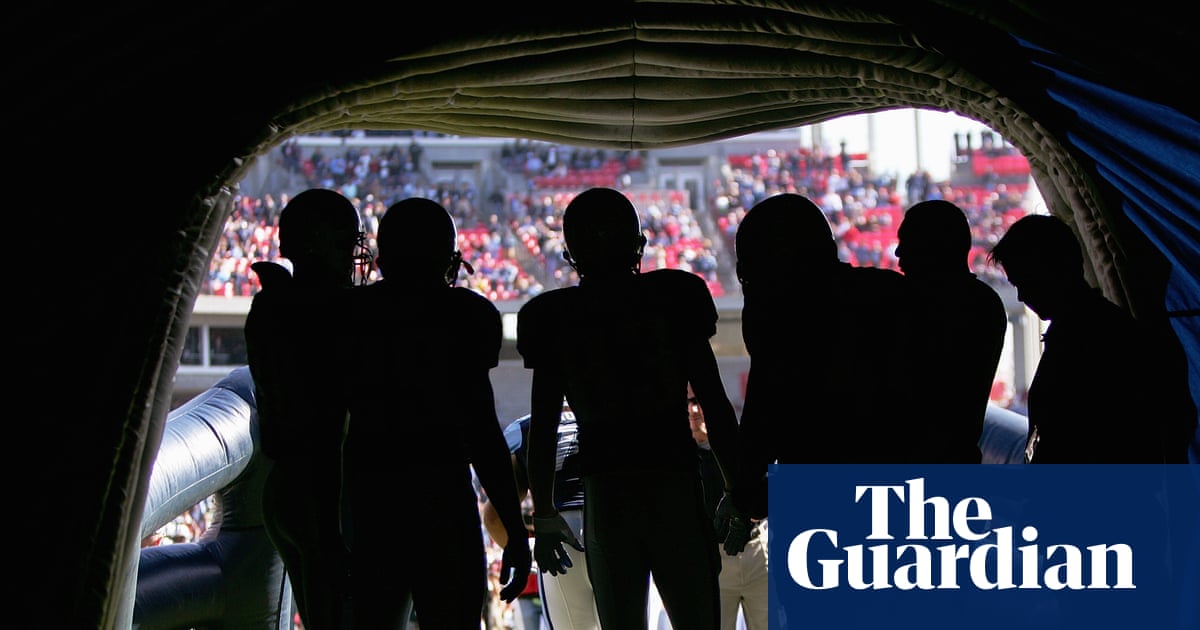
Cover image from theguardian.com, which was analyzed for this article
New research found degenerative brain disease in one-quarter of former NFL players, renewing focus on player safety and long-term health impacts. The findings received widespread coverage across outlets.
PoliticalOS
Tuesday, August 25, 2026 — Business
The 91 percent CTE rate applies only to the self-selected group of 235 brain donors, not all 878 deceased players. Most head impacts occurred before the NFL, and the same study found lower overall death rates among former players than in the general population.
What outlets missed
Both articles omitted the study’s finding of lower all-cause mortality among former NFL players compared with the general population, a result documented in the Boston University and Mass General Brigham press materials. Neither piece addressed selection bias in the brain-donation sample or provided comparison rates of CTE in non-athlete populations. Coverage also left out any discussion of how the 235 donors were chosen from the 878 deaths.
New Study Exposes High CTE Rates Among Dead NFL Players
A new study has found that at least one in four former NFL players who died between 2016 and 2021 suffered from chronic traumatic encephalopathy. Researchers examined 878 deceased players from that period and received brain donations from 235 of them. Of those donations, 215 tested positive for the degenerative brain disease tied directly to repeated head trauma.
The findings come from Mass General Brigham, Boston University, and the Concussion and CTE Foundation. Lead author Daniel Daneshvar noted that NFL players face roughly four times the rate of death from neurodegenerative diseases compared to the general population. Dementia appeared frequently among the donors as well. Daneshvar stressed that repeated traumatic brain injuries drive these elevated risks and called for stronger prevention focused on cutting repetitive head impacts at every level of football.
An NFL spokesman responded with familiar language about making the game safer through new strategies and offering expanded resources for former players physical and mental health. The league urged players to seek treatment if concerned. Yet the study points out that most head impacts these men endured happened long before they reached the NFL, often in youth leagues, high school, and college.
This latest data adds to years of mounting evidence that the sport exacts a steep neurological toll. Many players enter professional ranks already carrying damage from years of collisions promoted as character-building at younger ages. The league has adjusted rules and added equipment in recent decades, but the core product remains built on violent contact that generates billions in revenue while the long-term costs fall on the athletes and their families.
Critics have long argued that official responses from the NFL amount to damage control rather than genuine reform. The organization spent years disputing links between football and brain disease before legal settlements and public pressure forced limited changes. Even now, the emphasis stays on managing symptoms after the fact instead of confronting how the game itself selects for players willing to absorb punishment.
The high percentage of CTE in the donated brains, over 91 percent of those examined, suggests selection effects among families who suspected problems. Still, the overall rate of one in four across all deceased players marks a stark public health signal. Families of affected players continue to deal with mood disorders, memory loss, and early dementia without adequate systemic support from the league that profited from their loved ones careers.
Football culture celebrates toughness and downplays risks, a pattern that begins in childhood programs and continues through the pros. The study underscores that true prevention requires reducing head impacts across all ages rather than relying on the NFL to police itself. With participation numbers already declining in some regions amid growing awareness, the findings may accelerate scrutiny of whether the sport can continue in its current form without broader accountability.
You just read America First's take. Want to read what actually happened?
More in Business & Economy

Business Activity Holds Up as Selling Prices Rise Fastest Since 2022
S&P Global PMI shows robust activity but selling prices rise at fastest pace since 2022 amid energy and supply chain costs. Halloween candy prices jump 7.7%.

Stock Futures Climb on Anthropic IPO Filing and AI Financing
Major indices rose on enthusiasm from Anthropic's IPO filing and broader AI infrastructure announcements including Meta's massive fundraising plans. Investors are betting heavily on continued AI growth despite valuation concerns.

Tariffs and AI Transition Fuel Growth and Job Worries
Trump's tariff rhetoric and AI-driven restructuring raised concerns about growth, inflation, and job impacts as markets reacted to geopolitical and tech shifts.

AI Companies Weigh Early IPOs as Risks Mount
Nasdaq fell sharply amid concerns over AI spending sustainability and data center costs; Nvidia, Meta, and others were hit as Meta and Tesla reported earnings.
The Compass
You just read five takes on one story.
What's your take? Find your political shape in a few minutes.
Take the test