
Gas Prices Hold Above $4 as Trump Defends Iran Conflict Costs
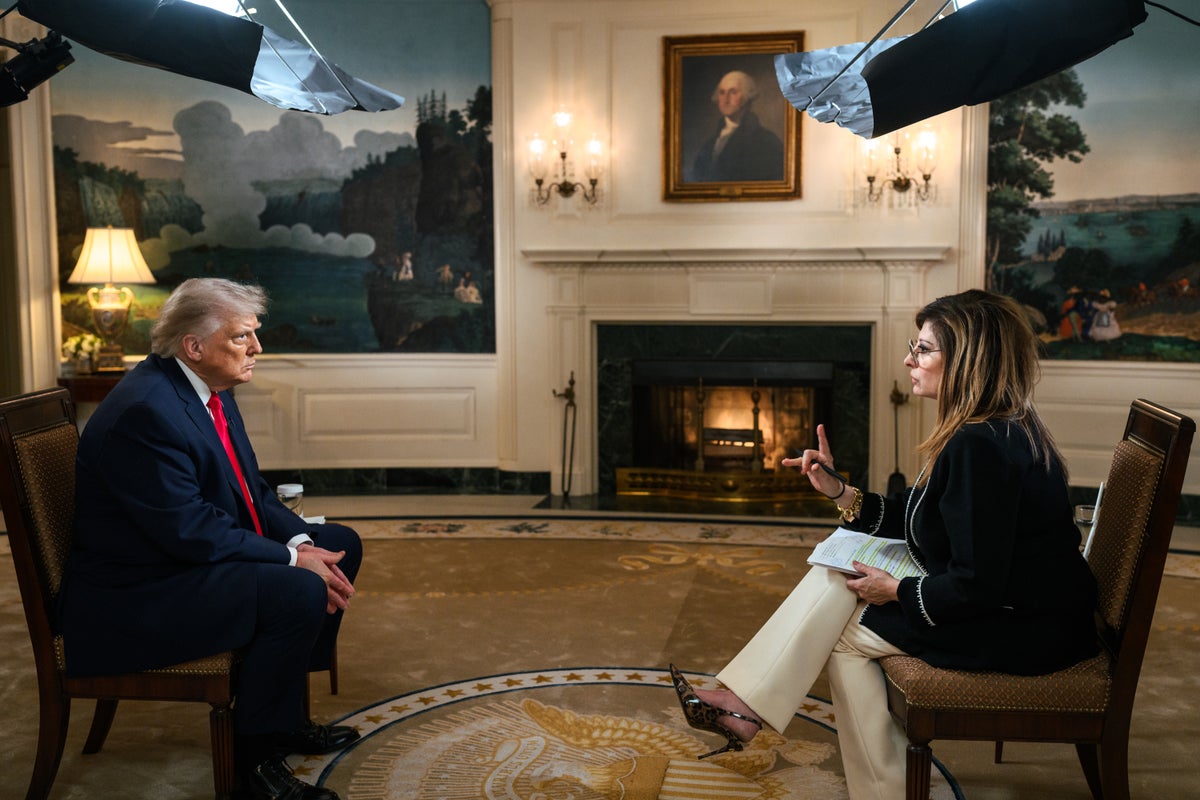
Cover image from independent.co.uk, which was analyzed for this article
Gas prices fluctuate with decreases noted recently, but Trump dismisses concerns at $92/barrel while critics like Bernie Sanders blast rises. Global warnings of shocks persist despite de-escalation hopes. Coverage reflects economic strain and policy responses.
PoliticalOS
Wednesday, April 15, 2026 — Business
Gasoline above $4 a gallon and crude near $92 reflect real, ongoing supply shocks from the Iran conflict and Hormuz blockade that are squeezing budgets and lifting inflation to 3.3 percent. The administration maintains this is a short-term, worthwhile cost to degrade Iran's nuclear capability, with a ceasefire now in place and prices already easing. The single most important variable is whether shipping through the strait resumes quickly; without it, IMF recession warnings could materialize despite optimistic forecasts from Trump and his advisers.
What outlets missed
Most coverage omitted the April 8 ceasefire that appears to be driving the five-day price decline and easing blockade pressure on the Strait of Hormuz. Outlets also underplayed the documented targeting of Iranian nuclear facilities and military sites after failed diplomacy, which supplied the context for administration statements that the sacrifice was worthwhile. Detailed regional price gaps, exact AAA figures showing the post-ceasefire reversal from an early April peak near $4.16, and the full sequence from winter weather disruptions to conflict-driven spikes received inconsistent attention. Finally, few pieces noted Kevin Warsh's prior Fed governorship from 2006-2011 when assessing his credibility as Trump's nominee.
American households are absorbing another hit at the pump, with national average gas prices sitting at $4.11 per gallon even after five straight days of modest declines. The surge traces directly to disruptions in global oil flows after the U.S. and Israel launched strikes on Iranian targets February 28, followed by a blockade of the Strait of Hormuz that has kept crude prices elevated near $92 to $100 per barrel.
At the center of the debate sits one unresolved question: is the pain temporary and justified? President Trump, in a Fox Business interview, described the current crude level as surprisingly low, predicted a sharp drop once the conflict ends, and called the economic hit worthwhile because it set back Iran's nuclear program. He told host Maria Bartiromo any downturn would last roughly six weeks before full recovery, with stock markets ultimately booming. Energy Secretary Chris Wright echoed the timeline, telling a Washington summit that prices may peak in the coming weeks until meaningful shipping resumes through the strait.
Critics see a different picture. Sen. Bernie Sanders, appearing on MSNBC, highlighted that 60 percent of Americans live paycheck to paycheck and now face gasoline costing more than $4 in Vermont and over $5 on the West Coast, crowding out spending on food and rent. He tied the increases to what he called an affordability crisis magnified by the war, which he suggested could cost a trillion dollars. The International Monetary Fund lowered its global growth forecast Tuesday and warned of recession risks if the strait stays blocked.
Data from AAA shows the national average fell one cent Wednesday to $4.108, the first time in months that prices sat below the prior week's level. Still, the figure stands 94 cents higher than a year ago and 41 cents above levels from a month earlier. California leads at $5.878 per gallon; Oklahoma posts the lowest statewide average at $3.444. Energy prices overall climbed 10.9 percent in the latest reading, with gasoline up 21.2 percent. The March Consumer Price Index rose 0.9 percentage points from February, pushing annual inflation to 3.3 percent, the highest since May 2024.
A ceasefire took effect April 8, according to multiple government and news reports, raising hopes that oil flows could normalize soon. Trump has repeatedly signaled the conflict is nearing completion, though peace talks in Pakistan over the weekend produced no immediate breakthrough. Treasury Secretary Scott Bessent described the economic strain as a "small bit of pain" necessary for long-term security. Kansas Sen. Roger Marshall told Newsmax that national security outweighs pocketbook concerns.
Former Treasury Secretary Janet Yellen, speaking at an HSBC summit in Hong Kong, questioned the wisdom of political pressure on interest rates amid $39 trillion in U.S. debt, though her reported comparison to "banana republic" tactics could not be independently verified in transcripts. Fed Chair Jerome Powell's term ends soon; Trump's nominee Kevin Warsh has cited potential AI-driven productivity gains as a reason rates could fall. The Fed last cut rates in December.
Regional differences sharpen the story. Midwestern states have seen the smallest increases while Pacific Coast drivers pay premiums of $1.50 or more above the national average. Winter storms earlier in the year first disrupted refineries before the Iran operation, labeled Operation Epic Fury, accelerated the climb from a January low of $2.79 per gallon.
What remains unclear is how long the blockade's effects will linger and whether the strategic gains against Iran's nuclear infrastructure will outweigh the documented strain on household budgets and global growth forecasts. Markets have shown resilience in recent sessions, yet the IMF's recession warning underscores the stakes if de-escalation stalls.
More in Business & Economy
CPI Report and Oil Spike at $106 Shape Fed Outlook
Report expected at 3.6% headline and 2.5% core as oil hits $106/barrel from Middle East tensions. Fed rate decisions hang in balance.

Major Banks Deliver Mixed Q3 Results on Trading Beats
JPMorgan, Goldman Sachs, Citigroup, and Wells Fargo reported Q3 figures, with revenue beats in trading but some estimate misses. CNBC provided live updates on the results and market reactions.

Oil Falls on Russian Diesel Outlook Despite Geopolitical Risks
Dow futures rose while Nasdaq faced pressure from tech weakness and elevated oil after geopolitical spikes. CNBC tracked premarket moves tied to earnings and Fed speeches.

Hall and Woodford Win Economics Nobel for Stabilization Models
American economists Robert E. Hall and Michael Woodford won the Nobel memorial prize for their research on managing economies through booms and busts, informing central bank policies on inflation and unemployment.
The Compass
You just read five takes on one story.
What's your take? Find your political shape in a few minutes.
Take the test