
Gas Prices Hold Above $4 as Trump Defends Iran Conflict Costs
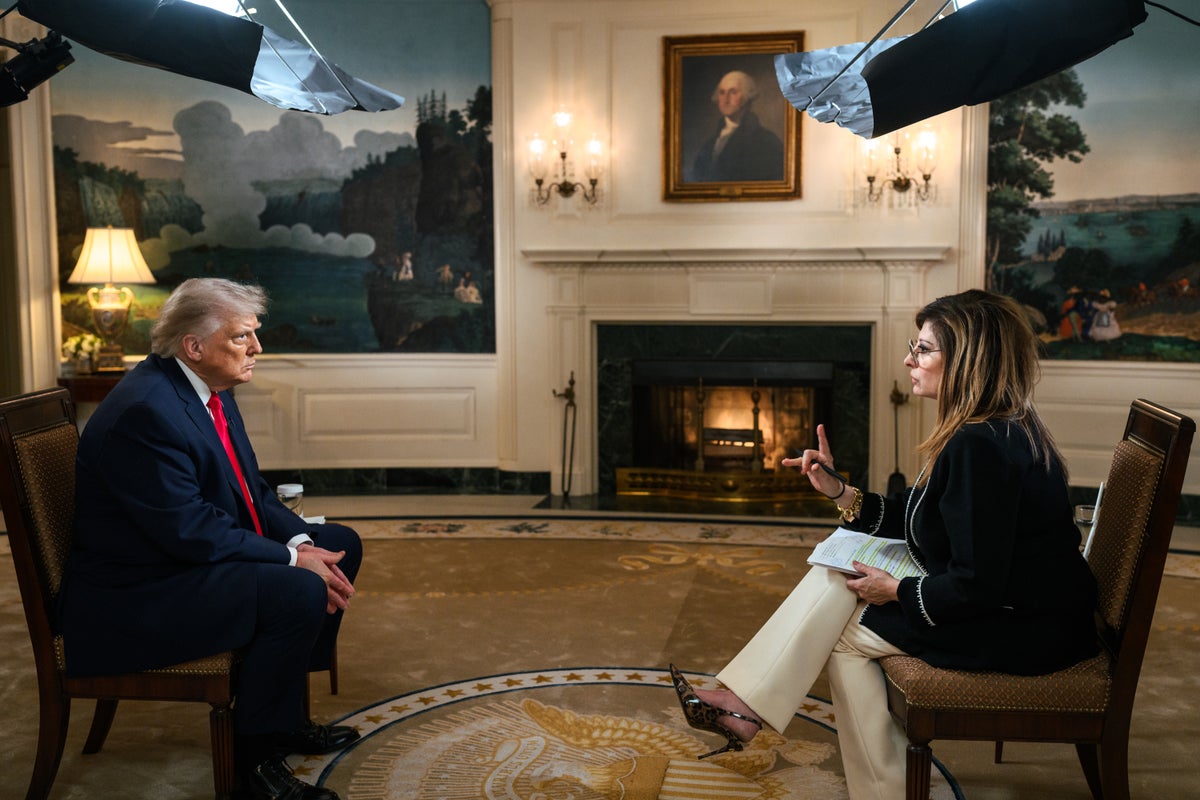
Cover image from independent.co.uk, which was analyzed for this article
Gas prices fluctuate with decreases noted recently, but Trump dismisses concerns at $92/barrel while critics like Bernie Sanders blast rises. Global warnings of shocks persist despite de-escalation hopes. Coverage reflects economic strain and policy responses.
PoliticalOS
Wednesday, April 15, 2026 — Business
Gasoline above $4 a gallon and crude near $92 reflect real, ongoing supply shocks from the Iran conflict and Hormuz blockade that are squeezing budgets and lifting inflation to 3.3 percent. The administration maintains this is a short-term, worthwhile cost to degrade Iran's nuclear capability, with a ceasefire now in place and prices already easing. The single most important variable is whether shipping through the strait resumes quickly; without it, IMF recession warnings could materialize despite optimistic forecasts from Trump and his advisers.
What outlets missed
Most coverage omitted the April 8 ceasefire that appears to be driving the five-day price decline and easing blockade pressure on the Strait of Hormuz. Outlets also underplayed the documented targeting of Iranian nuclear facilities and military sites after failed diplomacy, which supplied the context for administration statements that the sacrifice was worthwhile. Detailed regional price gaps, exact AAA figures showing the post-ceasefire reversal from an early April peak near $4.16, and the full sequence from winter weather disruptions to conflict-driven spikes received inconsistent attention. Finally, few pieces noted Kevin Warsh's prior Fed governorship from 2006-2011 when assessing his credibility as Trump's nominee.
Trump Downplays Fuel Pain as American Families Face Sustained Hit From Iran Conflict
The national average price for regular gasoline fell for the fifth straight day to $4.108 a gallon on Wednesday, according to AAA data. While the modest decline offers some relief after weeks of increases, the figure remains sharply higher than the $3.699 seen a month ago and the $2.79 low reached in mid-January. The climb began in earnest after the United States launched Operation Epic Fury on February 29, a military campaign against Iran that included a blockade of the Strait of Hormuz. That chokepoint handles roughly one-fifth of global oil supply. By late March the average had surged past $4.
President Trump, speaking in an interview taped Tuesday with Fox Business Network’s Maria Bartiromo, showed little alarm at the run-up in crude prices. West Texas Intermediate has climbed about 50 percent since the conflict began and now trades near $92 a barrel. “If you told me that we were going to be at only 92 a barrel, $92 a barrel, I would have been very surprised,” Trump said. “All right, and you know what? I’m very happy, and it’s going to come dropping down very big as soon as it’s over.” He described the economic pressure on households as “very worthwhile” because the campaign has set back Iran’s nuclear program. The president predicted the fighting would end soon and that any drag on growth would prove temporary, lasting perhaps six weeks before a full recovery and a stock-market boom.
Trump’s National Economic Council director, Kevin Hassett, struck a similarly upbeat note in a CNBC appearance, suggesting that if oil prices eventually fell the result could be inflation “close to zero.” The comment drew a terse response from Sen. Bernie Sanders. Appearing on MSNBC, the Vermont independent watched the clip and replied, “God help us all.” Sanders noted that six in ten Americans live paycheck to paycheck. In Vermont, he said, regular gas now exceeds four dollars a gallon in many places, crowding out spending on food and rent. He tied the price spike to a string of Middle East conflicts involving Israel that have imposed costs on billions of people worldwide, adding that many voters who backed Trump in hopes of avoiding prolonged wars and lower prices are now disappointed.
The administration’s economic messaging coincides with renewed pressure from Trump on the Federal Reserve to cut interest rates. The president has repeatedly called for the lowest rates “of any country in the world,” arguing it would ease the government’s borrowing costs on $39 trillion in debt. Former Fed Chair Janet Yellen, who later served as Treasury secretary under President Biden, offered sharp criticism at an HSBC investor conference in Hong Kong. She compared the approach to that of a “banana republic,” warning that politicians setting rates to cheapen debt service often lose control of inflation. Yellen questioned whether Kevin Warsh, Trump’s nominee to succeed Jerome Powell as Fed chair, would command the same respect within the central bank that predecessors such as Alan Greenspan once did. Powell’s term ends next month, though Senate confirmation of Warsh remains pending. Warsh has pointed to possible productivity gains from artificial intelligence as a reason rates could safely fall.
The tension between official optimism and ground-level costs is measurable. Midwestern states still enjoy the lowest pump prices, with Oklahoma at $3.444, Kansas at $3.507, and North Dakota at $3.616. Coastal and Western markets remain the most expensive. Those regional gaps matter less to families already allocating larger shares of income to fuel. Higher transport costs ripple quickly into groceries and consumer goods, functioning as a de facto tax that falls hardest on lower- and middle-income households with the least flexibility.
Economists have long observed that energy prices are especially visible to voters and politically potent. Sustained increases can dampen discretionary spending, slow hiring in transportation-dependent sectors, and complicate monetary policy. The Trump administration maintains the strategic gains against Iran justify the short-term pain and that markets will self-correct once shipping lanes reopen. Skeptics, including Yellen and Sanders from different ideological vantage points, argue that the cumulative effects of conflict, fiscal pressure, and monetary experiments risk longer-lasting damage.
Crude prices have shown some stabilization in recent days, and the five-day drop at the pump suggests supply chains may be adapting. Yet the gap between pre-conflict levels and today’s reality continues to extract a toll. For many households the difference between $2.79 and $4.11 at the pump is not abstract. It is fewer groceries, deferred maintenance, or skipped opportunities. How long that arithmetic remains acceptable to the public will help determine whether the administration’s bet on a swift, low-cost victory proves correct. For now, the data show a nation absorbing higher energy costs while its leaders express confidence that relief lies just over the horizon.
You just read Conservative's take. Want to read what actually happened?
More in Business & Economy
CPI Report and Oil Spike at $106 Shape Fed Outlook
Report expected at 3.6% headline and 2.5% core as oil hits $106/barrel from Middle East tensions. Fed rate decisions hang in balance.

Major Banks Deliver Mixed Q3 Results on Trading Beats
JPMorgan, Goldman Sachs, Citigroup, and Wells Fargo reported Q3 figures, with revenue beats in trading but some estimate misses. CNBC provided live updates on the results and market reactions.

Oil Falls on Russian Diesel Outlook Despite Geopolitical Risks
Dow futures rose while Nasdaq faced pressure from tech weakness and elevated oil after geopolitical spikes. CNBC tracked premarket moves tied to earnings and Fed speeches.

Hall and Woodford Win Economics Nobel for Stabilization Models
American economists Robert E. Hall and Michael Woodford won the Nobel memorial prize for their research on managing economies through booms and busts, informing central bank policies on inflation and unemployment.
The Compass
You just read five takes on one story.
What's your take? Find your political shape in a few minutes.
Take the test