
Gas Prices Hold Above $4 as Trump Defends Iran Conflict Costs
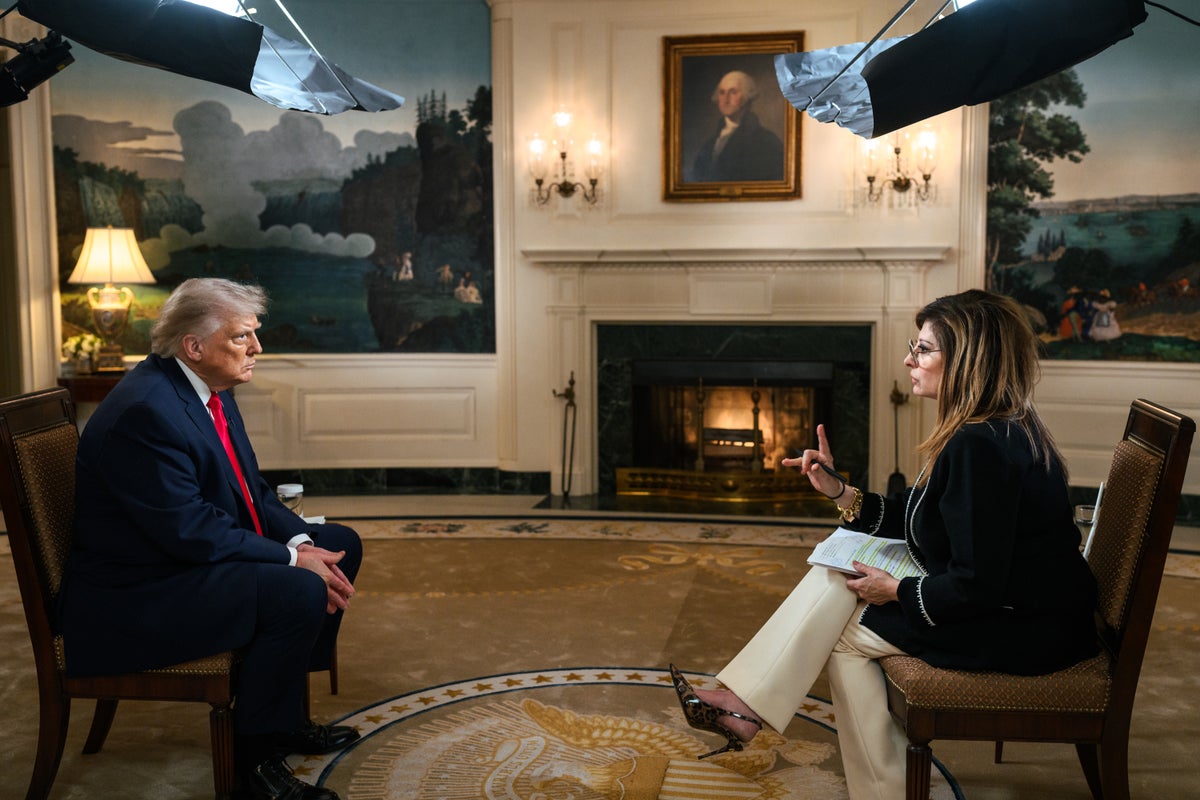
Cover image from independent.co.uk, which was analyzed for this article
Gas prices fluctuate with decreases noted recently, but Trump dismisses concerns at $92/barrel while critics like Bernie Sanders blast rises. Global warnings of shocks persist despite de-escalation hopes. Coverage reflects economic strain and policy responses.
PoliticalOS
Wednesday, April 15, 2026 — Business
Gasoline above $4 a gallon and crude near $92 reflect real, ongoing supply shocks from the Iran conflict and Hormuz blockade that are squeezing budgets and lifting inflation to 3.3 percent. The administration maintains this is a short-term, worthwhile cost to degrade Iran's nuclear capability, with a ceasefire now in place and prices already easing. The single most important variable is whether shipping through the strait resumes quickly; without it, IMF recession warnings could materialize despite optimistic forecasts from Trump and his advisers.
What outlets missed
Most coverage omitted the April 8 ceasefire that appears to be driving the five-day price decline and easing blockade pressure on the Strait of Hormuz. Outlets also underplayed the documented targeting of Iranian nuclear facilities and military sites after failed diplomacy, which supplied the context for administration statements that the sacrifice was worthwhile. Detailed regional price gaps, exact AAA figures showing the post-ceasefire reversal from an early April peak near $4.16, and the full sequence from winter weather disruptions to conflict-driven spikes received inconsistent attention. Finally, few pieces noted Kevin Warsh's prior Fed governorship from 2006-2011 when assessing his credibility as Trump's nominee.
Trump Downplays Gas Price Pain as Critics Warn of Deeper Economic Damage From Iran Conflict
As the national average for regular gasoline fell for a fifth straight day to $4.11 a gallon, President Donald Trump continued to project confidence about the economic consequences of the six-week-old conflict with Iran, telling Fox Business that he was “very happy” crude oil was trading at only $92 a barrel. The comments, recorded Tuesday and aired Wednesday, underscored a widening gap between the administration’s optimistic forecasts and the immediate strain felt by millions of American households already living paycheck to paycheck.
The modest decline in pump prices reported Wednesday by AAA offered some relief after weeks of increases triggered first by winter storms that disrupted refining and then by the military operation that began Feb. 28. The current average remains 41 cents higher than a month ago and 94 cents above year-ago levels. In Vermont, Bernie Sanders noted, regular gas is now topping four dollars a gallon in many places. Coastal states and parts of the West are seeing even higher figures, while the Midwest enjoys the lowest regional averages. For families stretched thin, each additional dollar at the pump translates directly into less money for groceries or rent.
Trump, speaking with Maria Bartiromo, brushed aside those concerns. He expressed surprise that oil had not climbed further given the blockade of the Strait of Hormuz and the intense air campaign against Iranian nuclear sites. “If you told me that we were going to be at only 92 a barrel, I would have been very surprised,” he said. “And you know what? I’m very happy, and it’s going to come dropping down very big as soon as it’s over.” The president predicted the war would end quickly, called the temporary economic hit “very worthwhile” because it had set back Iran’s nuclear ambitions, and forecast a stock-market boom once fighting ceases. Any drag on growth, he added, would last “six weeks” at most before a full recovery.
That sanguine view drew a sharp rebuke from Sanders. Appearing on MSNBC, the Vermont independent responded to remarks by National Economic Council Director Kevin Hassett, who had told CNBC that if oil prices eventually fell, inflation could approach zero. Sanders offered a four-word verdict: “God help us all.” He noted that Benjamin Netanyahu’s conflicts across Gaza, the West Bank, Lebanon and now Iran were “grossly immoral and destructive” while also rippling outward to billions of people. “Sixty percent of our people living paycheck-to-paycheck,” Sanders said, “and now what they’re having to deal with is gas in Vermont over four bucks a gallon. That means less money for food, less money to be able to pay the rent.”
The broader policy debate extends beyond fuel costs. Former Federal Reserve Chair Janet Yellen, speaking at an investor conference in Hong Kong, warned that Trump’s repeated demands for lower interest rates carry echoes of “banana republic” governance. The president has pressed the central bank to cut rates aggressively in hopes of reducing Washington’s borrowing costs on its $39 trillion debt. Yellen argued that when politicians openly try to bend monetary policy to lighten the government’s interest burden, the usual guardrails against inflation erode. She questioned whether Trump’s choice to lead the Fed after Jerome Powell, Kevin Warsh, commands the intellectual respect once accorded to figures like Alan Greenspan. Without that credibility, she suggested, the Fed’s independence could slip, inviting the kind of politicized decision-making that has destabilized developing economies.
The tension highlights a deeper institutional concern. Trump campaigned on avoiding endless Middle East wars and taming inflation. Six weeks into a conflict that has already lifted energy prices and complicated supply chains, those promises are under strain. Administration officials continue to argue that the long-term strategic gain of degrading Iran’s nuclear program outweighs the short-term pain. Yet the daily reality for most Americans is measured in higher commuting costs, increased prices for goods moved by truck, and tighter budgets that leave little margin for error.
Economic data released in recent days show consumer sentiment slipping in regions hardest hit by the fuel spike. While stock markets have so far absorbed the uncertainty without collapsing, analysts warn that prolonged disruption in the Persian Gulf could still push inflation higher and force the Fed into a difficult choice between supporting growth and containing price pressures.
For now, the White House insists the worst is behind us. Trump told Bartiromo he expects oil prices to “come dropping down very big” once the war concludes. Sanders and Yellen, by contrast, see a pattern of over-optimism that discounts the immediate human cost and risks undermining the very institutions that have kept American economic policy credible for decades. As gas prices hover near four-year highs even after five days of small declines, that divide is not abstract. It is felt at every filling station across the country.
You just read Liberal's take. Want to read what actually happened?
More in Business & Economy
CPI Report and Oil Spike at $106 Shape Fed Outlook
Report expected at 3.6% headline and 2.5% core as oil hits $106/barrel from Middle East tensions. Fed rate decisions hang in balance.

Major Banks Deliver Mixed Q3 Results on Trading Beats
JPMorgan, Goldman Sachs, Citigroup, and Wells Fargo reported Q3 figures, with revenue beats in trading but some estimate misses. CNBC provided live updates on the results and market reactions.

Oil Falls on Russian Diesel Outlook Despite Geopolitical Risks
Dow futures rose while Nasdaq faced pressure from tech weakness and elevated oil after geopolitical spikes. CNBC tracked premarket moves tied to earnings and Fed speeches.

Hall and Woodford Win Economics Nobel for Stabilization Models
American economists Robert E. Hall and Michael Woodford won the Nobel memorial prize for their research on managing economies through booms and busts, informing central bank policies on inflation and unemployment.
The Compass
You just read five takes on one story.
What's your take? Find your political shape in a few minutes.
Take the test