
Oil Dips Below $91 as Hormuz Standoff Keeps Gas Near $4.10
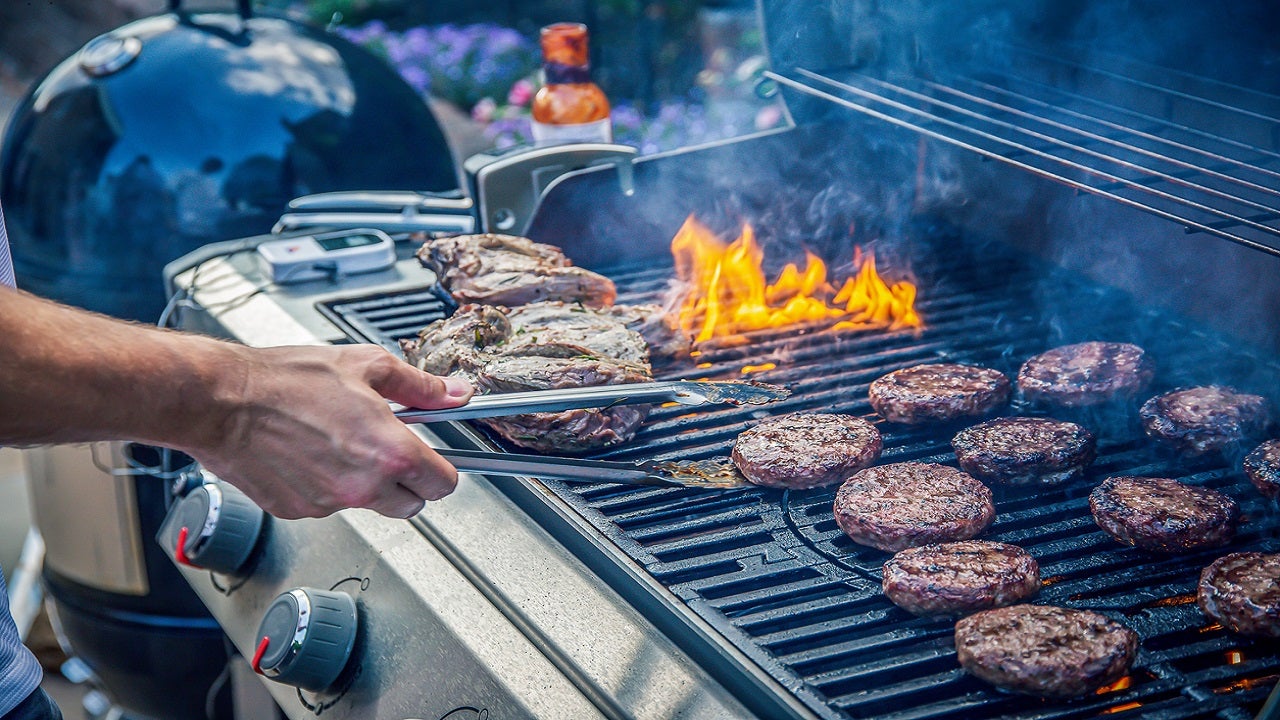
Cover image from foxnews.com, which was analyzed for this article
Oil prices have plunged below $91 following weeks of highs tied to the Iran conflict, though new Hormuz issues emerge. Consumers face high gas costs affecting travel and rideshare drivers, with tips to save at the pump circulating. The unrest threatens summer plans like barbecues due to potential supply disruptions.
PoliticalOS
Saturday, April 18, 2026 — Business
Oil prices have fallen below $91 on hopes of resumed Hormuz traffic and ceasefire progress, yet U.S. gasoline remains near $4.10 because retail fuel lags global crude and the naval blockade continues. Layered atop this volatility are longstanding tight supplies in cattle and propane that will keep summer costs elevated regardless of near-term diplomacy. The clearest implication is that households should plan for sustained higher expenses on driving and grilling through at least early summer while monitoring verifiable diplomatic breakthroughs rather than headlines alone.
What outlets missed
Most coverage omitted the full timeline of events preceding the latest Hormuz announcements, including Iranian strikes on Israel in late 2025 that contributed to the escalation before U.S. and Israeli military action on February 28, 2026. Pre-conflict Iranian tanker disruptions that initially prompted aspects of the naval response received little attention outside specialized briefings. Corporate mitigation steps by ride-hailing platforms, such as expanded cash-back percentages and past surcharge precedents, were mentioned only in passing or not at all in lifestyle-focused pieces. Finally, the lag time between crude drops and retail gas relief, typically four to six weeks due to refining and distribution, was rarely quantified, leaving readers without a clear timeline for when lower oil prices might appear at the pump.
Middle East Conflict Sends Energy Costs Rippling Through American Households
Global tensions centered on the Strait of Hormuz are once again reminding Americans that distant conflicts rarely stay distant from household budgets. With Iran reversing its brief announcement that the strategic waterway would remain open during a fragile ceasefire, oil markets swung sharply before settling into a pattern of elevated volatility. Brent crude dropped more than 9 percent to $90.38 a barrel on news of the opening, only for Tehran to announce it would continue blocking transit as long as the United States maintains its naval blockade of Iranian ports. President Donald Trump stated the blockade would stay in force until a broader deal is reached, including on Iran’s nuclear program. The resulting uncertainty has already lifted U.S. pump prices and is working its way through supply chains that affect everything from cattle ranching to weekend cookouts.
The national average for regular gasoline now stands at roughly $4.09 per gallon, according to AAA, an increase of about 93 cents in the past month. Diesel, critical for freight haulers, has climbed to $5.61, up more than $2 from a year ago. Those figures matter beyond the fill-up. Glynn Tonsor, professor of agricultural economics at Kansas State University, notes that ranchers depend on fuel at nearly every stage, from running tractors and irrigation pumps to trucking cattle to feedlots and processors. When energy costs rise, those expenses are passed along. The result is higher wholesale beef prices arriving just as families prepare for summer grilling season.
Propane, the fuel of choice for many backyard grills, has followed the same upward path as global energy markets tighten. Middle Eastern suppliers remain central to world energy flows, and disruptions or threats of disruption in the Hormuz corridor quickly register in commodity trading rooms half a world away. The outcome is the sort of broad-based price pressure that touches both direct consumers and the businesses that serve them. A neighborhood barbecue that once cost one amount for burgers and brats now requires a larger outlay for the meat and the tank to cook it.
Individual workers are adjusting their own calculations in real time. Bill Lewis, a former Wall Street trader now driving full-time for Uber and Lyft in Pennsylvania, says high gasoline prices have changed which trips he accepts. Long hauls to remote destinations that once looked worthwhile on a slow day now frequently lose money after fuel costs. “You start looking at the map differently,” Lewis said. Many other drivers report similar rationing of their time and mileage, a quiet form of supply-and-demand adjustment happening across thousands of vehicles.
Some households are making longer-term shifts. Joshua Garcia, a logistics worker in Texas who drives nearly 100 miles round-trip to his job each day, switched to an electric vehicle in December after calculating future fuel expenses under sustained Middle East unrest. His monthly charging cost runs about $79, compared with the $750 gasoline bill he anticipated under elevated prices. While the upfront investment in home charging equipment is not trivial, Garcia expects clear savings within five years if current pressures persist. His choice illustrates how sustained price signals can accelerate technological adoption without mandates.
Analysts caution that the current volatility stems from more than any single announcement out of Tehran. The interplay of a U.S. blockade, a temporary Israel-Lebanon ceasefire, and Iran’s stated linkage between Hormuz access and sanctions relief has created exactly the kind of uncertainty that markets price immediately. One-fifth of global seaborne oil typically moves through the strait. Even the prospect of intermittent closure raises insurance rates for tankers, slows shipping schedules, and prompts traders to bid up futures contracts.
Consumers facing these higher costs have limited but practical options. AAA recommends combining errands, maintaining proper tire pressure, removing unnecessary weight from vehicles, and using cruise control on highways. Carpooling and remote work where feasible can cut mileage. These steps reflect the incremental adaptations that millions of households make when input costs rise. They do not eliminate the underlying pressure, but they mitigate its reach.
The cattle industry offers a longer view. Reduced ranching capacity in recent years, combined with higher feed and fuel expenses, has already tightened beef supplies. Tonsor points out that energy costs ripple through every link of the chain: fertilizer for pasture, diesel for harvest equipment that produces feed, and transportation at each stage. When those costs climb, the final price at the meat counter follows with a lag. Summer holidays traditionally boost demand; this year that demand will meet tighter supply.
For now, the Hormuz situation remains fluid. Shipping companies are seeking clarifications before committing vessels, and diplomats continue talks aimed at preventing wider escalation. Yet the domestic effects are already measurable at gas stations, grocery counters, and in the decisions of drivers and ranchers trying to cover their costs. In an economy built on countless individual calculations, the price of instability abroad becomes the price of a tank of gas or a package of ground beef at home. Americans are once again learning that energy security is not an abstract foreign-policy concern but a daily ledger item.
You just read Conservative's take. Want to read what actually happened?
More in Business & Economy

Stocks Rise on Earnings as Home Sales Hit Low
Major indices closed mixed to higher, led by healthcare and defensive stocks, as companies like Eli Lilly and UnitedHealth reported strong results. Pending home sales hit record lows.

US Stocks Mixed as Tech Rebounds on AI Optimism
The Dow slipped slightly while the S&P 500 and Nasdaq rose, led by Nvidia, AMD, and Intel gains on renewed AI sector confidence after prior drops. Broader market volatility tied to earnings and data center demand.

Trump Unveils $8 Billion Diesel Relief for Farmers
The Agriculture Department launched the program to offset record diesel prices for farmers, framed as economic aid and a midterm pitch in Kansas amid ongoing inflation and energy cost pressures.

CPI Rises to 3.7 Percent as Energy Costs Climb Amid Iran Conflict
Hotter-than-expected CPI figures fueled rate hike fears and contributed to sharp declines in AI and tech stocks. Left and right economic commentary debates Trump policies versus Fed actions.
The Compass
You just read five takes on one story.
What's your take? Find your political shape in a few minutes.
Take the test