
Oil Dips Below $91 as Hormuz Standoff Keeps Gas Near $4.10
Cover image from foxnews.com, which was analyzed for this article
Oil prices have plunged below $91 following weeks of highs tied to the Iran conflict, though new Hormuz issues emerge. Consumers face high gas costs affecting travel and rideshare drivers, with tips to save at the pump circulating. The unrest threatens summer plans like barbecues due to potential supply disruptions.
PoliticalOS
Saturday, April 18, 2026 — Business
Oil prices have fallen below $91 on hopes of resumed Hormuz traffic and ceasefire progress, yet U.S. gasoline remains near $4.10 because retail fuel lags global crude and the naval blockade continues. Layered atop this volatility are longstanding tight supplies in cattle and propane that will keep summer costs elevated regardless of near-term diplomacy. The clearest implication is that households should plan for sustained higher expenses on driving and grilling through at least early summer while monitoring verifiable diplomatic breakthroughs rather than headlines alone.
What outlets missed
Most coverage omitted the full timeline of events preceding the latest Hormuz announcements, including Iranian strikes on Israel in late 2025 that contributed to the escalation before U.S. and Israeli military action on February 28, 2026. Pre-conflict Iranian tanker disruptions that initially prompted aspects of the naval response received little attention outside specialized briefings. Corporate mitigation steps by ride-hailing platforms, such as expanded cash-back percentages and past surcharge precedents, were mentioned only in passing or not at all in lifestyle-focused pieces. Finally, the lag time between crude drops and retail gas relief, typically four to six weeks due to refining and distribution, was rarely quantified, leaving readers without a clear timeline for when lower oil prices might appear at the pump.
Middle East Conflict Sends Gas Diesel and Beef Prices Surging Just in Time for Summer
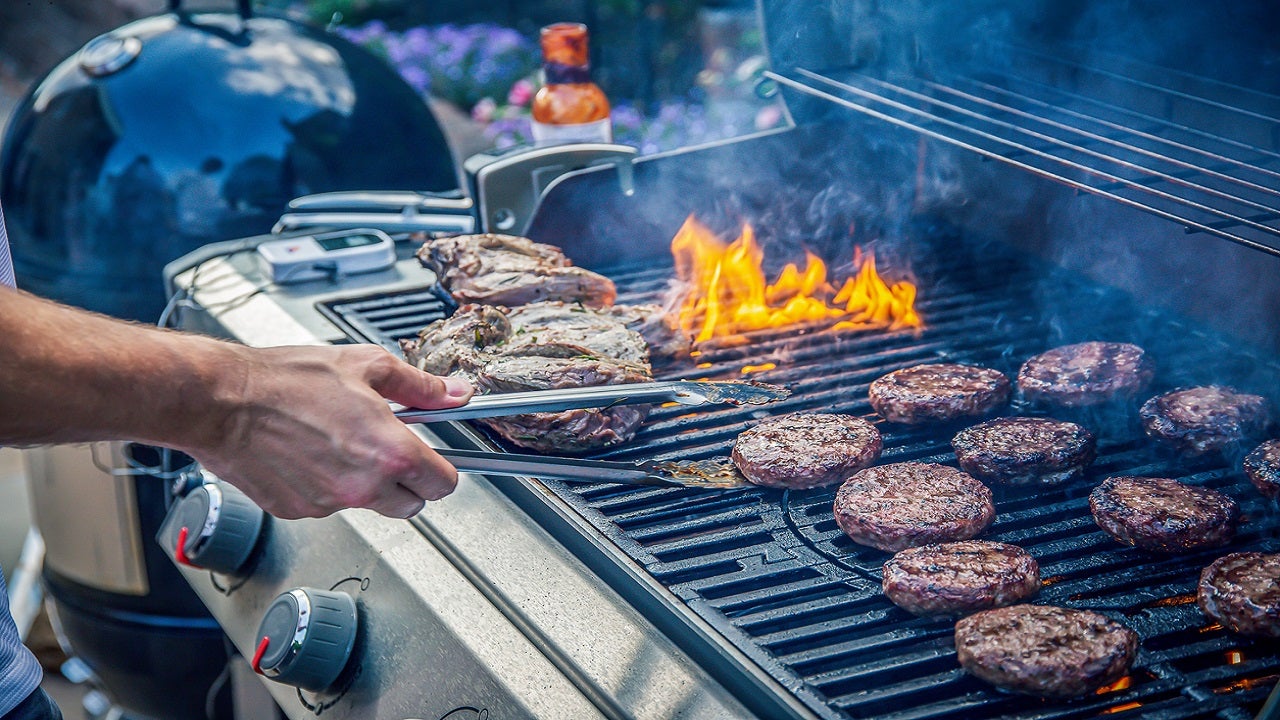
Americans hoping to fire up the grill this summer are discovering that distant conflicts halfway around the world have a way of showing up in their backyard budgets. Global tensions centered on Iran the Strait of Hormuz and a complicated web of ceasefires blockades and threats are pushing energy costs higher and those increases are rippling straight into the price of propane beef and the fuel needed to get to the grocery store.
The numbers are hard to ignore. The national average for regular gasoline now sits at roughly four dollars and nine cents per gallon according to AAA up nearly a dollar from just a month ago. Diesel which powers the trucks that haul cattle and beef across the country has climbed to five dollars and sixty one cents. That is more than two dollars higher than a year ago. For cattle ranchers who burn fuel at every stage from tractors in the pasture to refrigerated transport those costs do not disappear. They get passed on to families buying burgers for the neighborhood cookout.
Glynn Tonsor a professor of agricultural economics at Kansas State University has watched these pressures build. He told Fox News Digital that the impact of ongoing challenges in the Middle East on energy prices touches nearly every part of the beef cattle industry. Ranchers are already dealing with a smaller national herd after years of drought and high feed costs. Now higher fuel expenses make it even tougher to maintain supply. The result is simple. When Americans reach for ground beef or steak at the store this summer many will pay more than they did last year.
The propane tank that fuels most backyard grills is not escaping the pain either. Global energy markets remain tight in part because countries in the Middle East supply so much of the worlds oil and related fuels. Any disruption in that flow whether real or threatened sends prices climbing. That is exactly what has happened in recent weeks as Iran and the United States traded announcements about the Strait of Hormuz.
Roughly one fifth of global oil passes through that narrow waterway. Iran briefly signaled it would reopen the strait during a fragile ceasefire involving Lebanon only to reverse course hours later. Iranian officials said the passage would remain blocked as long as the United States maintained its naval blockade of Iranian ports. President Trump responded that the blockade would stay in place until a broader deal is reached including limits on Tehrans nuclear program. Oil prices plunged more than nine percent in a single day to just over ninety dollars a barrel after the initial announcement of openness but the whiplash has done nothing to bring relief at American gas stations where prices continue climbing.
The effects stretch beyond weekend barbecues. Ride share drivers are changing how they work. Bill Lewis a former Wall Street trader who now drives full time for Uber and Lyft in Pennsylvania says high gas prices have forced him to be selective about which trips he accepts. Long hauls to remote suburbs or rural areas that once looked worthwhile now lose money after fuel costs. He is not alone. Across the country drivers report skipping marginal fares because the tank empties faster than the app pays out.
Some consumers are already adapting in bigger ways. One Texas logistics worker who used to drive nearly one hundred miles round trip to his office recently bought an electric vehicle after calculating what sustained four dollar gas would cost him. His monthly charging expense is a fraction of what fuel would have been. Not every family has that option. For most Americans the choice is simpler and more painful. Drive less combine errands or absorb the hit to the household budget.
This is the hidden cost of foreign policy that rarely makes it into the television briefings. While diplomats and generals debate blockades nuclear talks and potential bombing campaigns the price is paid at the pump and the meat counter by people who simply want to grill hamburgers on a Saturday afternoon. Energy flows through every part of daily life from the diesel that moves cattle to the propane that cooks them. When those flows are disrupted by conflict in the Middle East the consequences land first and hardest on working families trying to enjoy a normal summer.
The volatility shows little sign of easing. Shipping companies are seeking clarifications before risking passage through the Hormuz and Trump has warned that failure to reach a deal could mean renewed military action. Each new headline from the region seems to produce another spike at the gas station. Ranchers like those supplying the nations Fourth of July cookouts are caught in the middle. Higher input costs fewer animals on the range and uncertain demand add up to an expensive season for everyone downstream.
Americans have seen this pattern before. Distant wars and sanctions that sound abstract in Washington translate into very concrete sacrifices at home. This time the sacrifice arrives just as families hoped to gather around the grill. The steaks will cost more. The tank of propane will cost more. And the drive to the store to buy them will cost more. All because events in Tehran and the waters off Iran cannot seem to stay contained there. For millions of households preparing for summer the Middle East conflict is not some faraway story. It is the reason the backyard barbecue suddenly feels like a luxury.
You just read America First's take. Want to read what actually happened?
More in Business & Economy

Stocks Rise on Earnings as Home Sales Hit Low
Major indices closed mixed to higher, led by healthcare and defensive stocks, as companies like Eli Lilly and UnitedHealth reported strong results. Pending home sales hit record lows.

US Stocks Mixed as Tech Rebounds on AI Optimism
The Dow slipped slightly while the S&P 500 and Nasdaq rose, led by Nvidia, AMD, and Intel gains on renewed AI sector confidence after prior drops. Broader market volatility tied to earnings and data center demand.

Trump Unveils $8 Billion Diesel Relief for Farmers
The Agriculture Department launched the program to offset record diesel prices for farmers, framed as economic aid and a midterm pitch in Kansas amid ongoing inflation and energy cost pressures.
CPI Rises to 3.7 Percent as Energy Costs Climb Amid Iran Conflict
Hotter-than-expected CPI figures fueled rate hike fears and contributed to sharp declines in AI and tech stocks. Left and right economic commentary debates Trump policies versus Fed actions.
The Compass
You just read five takes on one story.
What's your take? Find your political shape in a few minutes.
Take the test