
Oil Hits Four-Year High as US-Iran Standoff Chokes Global Energy Flows
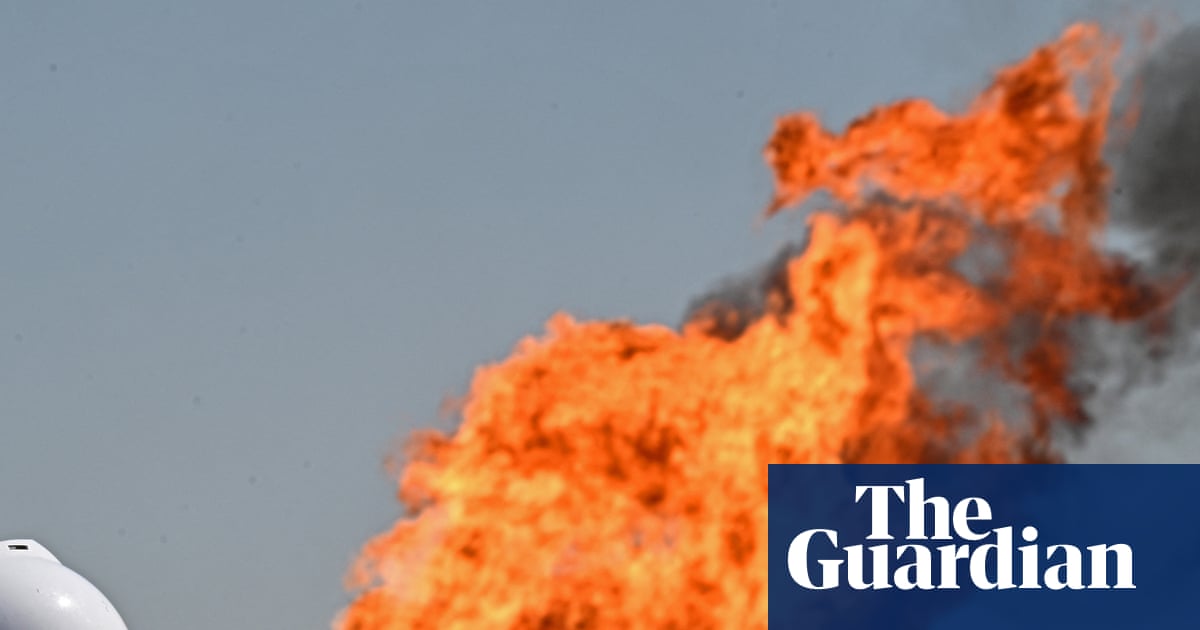
Cover image from theguardian.com, which was analyzed for this article
Brent crude prices climbed above $126 per barrel, the highest in four years, driven by US naval siege of Iranian ports disrupting $6 billion in exports and risks to the Strait of Hormuz. US gas prices reached a national average of $4.30 per gallon, with California topping $6. Markets are warned to better price in prolonged conflict risks.
PoliticalOS
Thursday, April 30, 2026 — Business
The single most important reality is that a narrow diplomatic impasse over whether nuclear limits must precede any reopening of oil routes has already imposed measurable costs on households and businesses worldwide. Both governments believe time favors them, yet each day the strait stays restricted and ports remain blockaded deepens the risk of broader economic damage and renewed combat. Readers should recognize that forecasts of $140 or even $200 oil are no longer fringe scenarios but plausible outcomes if the current test of endurance continues without compromise.
What outlets missed
Most accounts underplayed the scale of Iran's internal crackdown, including the U.N.-reported 21 executions and more than 4,000 national-security arrests since February 28. Few examined the precise sequence of Hormuz restrictions, where evidence from shipping trackers and multiple governments shows mines and drones reduced transits to low single digits while limited toll-based passage continued for some vessels. Internal Iranian dynamics received short shrift: the anonymous official's account of hardliner pressure curtailing Parliament Speaker Ghalibaf's negotiating flexibility appeared in only one outlet and could not be independently verified. The $25 billion Pentagon figure for U.S. war costs surfaced in a single Al Jazeera report without broad corroboration from other defense-budget trackers. Finally, the potential for renewed direct strikes was often reduced to headline color rather than tied to specific contingency briefings that several outlets treated as unconfirmed.
Oil Prices Surge Past $126 as Trump’s Iran Blockade Hammers American Drivers
The cost of filling up your tank is now a national emergency. As President Trump maintains a naval blockade on Iranian ports and warns it could drag on for months, global oil prices have exploded to levels not seen since the darkest days of the 2022 energy crisis. Brent crude topped $126 a barrel before settling near $119, while the pain is already flowing straight to gas stations across the United States. The national average for regular gasoline hit $4.30 per gallon Thursday, according to AAA, the highest in four years. In California, drivers are staring at $6 a gallon. For working families, truckers, and small businesses already squeezed by inflation, this is not abstract market noise. It is a direct hit to their wallets and their way of life.
The crisis stems from a two-month-old war between the United States, Israel, and Iran that has turned the Strait of Hormuz into a militarized choke point. Iranian forces have used cheap drones and mines to all but shut down shipping through the vital waterway, which normally carries about one-fifth of the world’s oil supply. In response, the U.S. Navy has blockaded Iranian ports, trapping Tehran’s oil and forcing storage facilities to fill up. Trump has called the strategy “genius” and “100 percent foolproof,” telling reporters Iran must “cry uncle” and abandon its nuclear ambitions. He has rejected Iranian offers to reopen the strait without broader concessions, and his administration is now weighing fresh military strikes after receiving briefings from U.S. Central Command.
White House officials say Trump met this week with oil executives to discuss ways to blunt the impact on American fuel supplies. The president has argued the blockade is more effective than bombing at forcing Iran to shutter production. Yet the numbers tell a different story for ordinary citizens. Gas prices have climbed relentlessly since the conflict began in late February. What started as a winter spike from weather disruptions has become a geopolitical catastrophe. Just weeks ago Energy Secretary Chris Wright suggested prices might have peaked near $4.16. That prediction has aged poorly.
Markets are finally waking up to the reality that this disruption is not temporary. Goldman Sachs estimates oil exports through the strait have collapsed to just 4 percent of normal levels. Analysts at ING warn that as inventories dwindle, only higher prices will destroy enough demand to balance the market. Oil futures briefly retreated after reports Trump may order new “short and powerful” strikes, but the volatility itself reveals how fragile the system has become. When traders swing between $126 and $114 in a single session, it is not stability. It is panic.
This episode exposes the folly of depending on one of the world’s most dangerous neighborhoods for our energy needs. For years, Washington’s foreign policy class dragged America into endless Middle East entanglements with promises that stability would follow. Instead, we get repeated shocks to the global energy order. The United Arab Emirates has now quit OPEC, signaling even Gulf partners see the writing on the wall. Meanwhile, U.S. energy exports have reached record highs, a reminder that America sits on massive domestic reserves if only policymakers would let producers work.
The war has also accelerated talk of renewables as a escape hatch from geopolitical risk. Solar panels and wind turbines do not care about blockades in the Persian Gulf, the argument goes. Yet they come with their own dependencies on Chinese manufacturing and rare earth minerals, and they cannot be dispatched at will to heat homes or power factories when the wind stops blowing. The hard truth is that only abundant, affordable American oil, gas, and coal can shield working people from the madness of distant conflicts.
Trump’s approach reflects an understandable desire to avoid another forever war while still confronting Iran’s nuclear threat. His blockade strategy aims to squeeze Tehran without endless bombing runs. Tehran’s leadership, however, has discovered that low-cost asymmetric tools can impose enormous costs on the global economy. Both sides believe time is on their side. The American people, paying $4.30 or more for gas, do not have that luxury.
The broader danger is that markets still underprice these risks. Investors have moved from early optimism about a quick diplomatic fix to recognizing the supply reality, but few seem prepared for a prolonged siege. If the blockade lasts months, as Trump has suggested it might, the pain at the pump will only intensify. Fertilizer and petroleum product shortages are already rippling through global supply chains, threatening higher food prices on top of fuel costs.
This is not the outcome any sensible American wanted. The country has watched for decades as Washington chased regime change, nation-building, and forever commitments in the Middle East, always with the assurance that it would somehow protect U.S. interests. Instead, each new conflict delivers the same result: higher prices, strained families, and reminders that energy security cannot be taken for granted. The only lasting solution is to unleash American energy production so thoroughly that events in the Strait of Hormuz become irrelevant to the price at the corner gas station.
Until then, every driver staring at these pump prices is paying the price for a foreign policy that repeatedly puts other nations’ problems ahead of American strength and self-reliance. Trump’s bet is that the blockade will break Iran before it breaks us. For millions of families now choosing between groceries and gasoline, that is cold comfort. The test of any strategy is whether it protects the American people. Right now, the evidence is flowing into every fuel tank in the country, and it is not encouraging.
You just read America First's take. Want to read what actually happened?
More in Business & Economy

Stocks Rise on Earnings as Home Sales Hit Low
Major indices closed mixed to higher, led by healthcare and defensive stocks, as companies like Eli Lilly and UnitedHealth reported strong results. Pending home sales hit record lows.

US Stocks Mixed as Tech Rebounds on AI Optimism
The Dow slipped slightly while the S&P 500 and Nasdaq rose, led by Nvidia, AMD, and Intel gains on renewed AI sector confidence after prior drops. Broader market volatility tied to earnings and data center demand.

Trump Unveils $8 Billion Diesel Relief for Farmers
The Agriculture Department launched the program to offset record diesel prices for farmers, framed as economic aid and a midterm pitch in Kansas amid ongoing inflation and energy cost pressures.

CPI Rises to 3.7 Percent as Energy Costs Climb Amid Iran Conflict
Hotter-than-expected CPI figures fueled rate hike fears and contributed to sharp declines in AI and tech stocks. Left and right economic commentary debates Trump policies versus Fed actions.
The Compass
You just read five takes on one story.
What's your take? Find your political shape in a few minutes.
Take the test