
Oil Nears $96 as Houthi Strikes Threaten Red Sea Routes
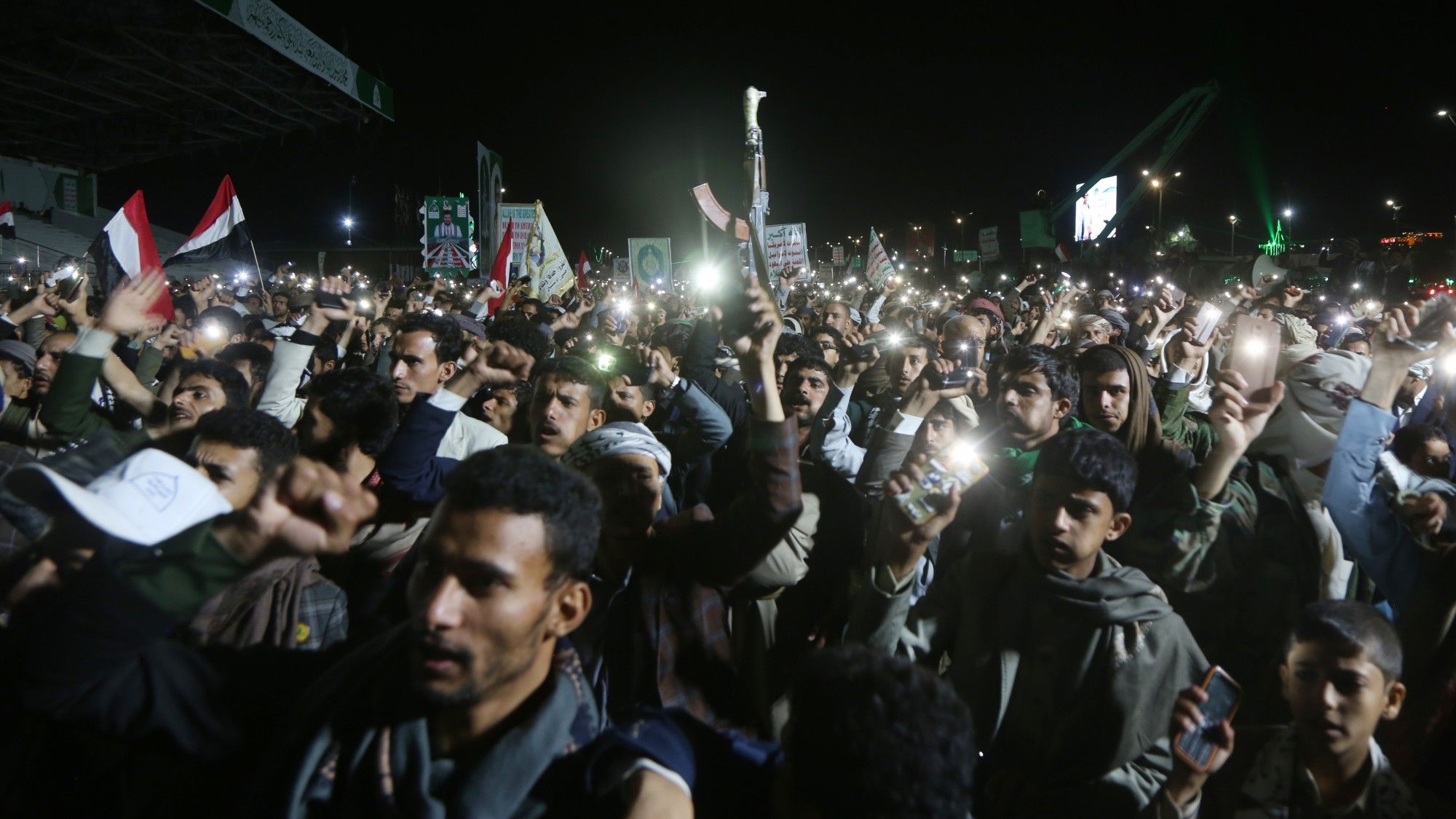
Cover image from theweek.com, which was analyzed for this article
Oil neared $96 per barrel and US gas hit $4.48 per gallon amid Iran-related conflicts, Houthi threats, and Strait of Hormuz concerns, pressuring consumers and markets.
PoliticalOS
Sunday, September 20, 2026 — Business
Escalating Houthi-Saudi clashes now threaten both the Strait of Hormuz and the Red Sea, the two primary export routes for Gulf crude. This dual pressure, rather than any single incident, is what has pushed oil prices near $96 and U.S. gasoline to $4.48. Readers should watch for confirmed shipping diversions and Saudi air-defense resupply requests as the clearest near-term indicators of further price movement.
What outlets missed
Neither outlet quantified the price movements or linked them directly to consumer gasoline costs. The nypost.com dispatch omitted any mention of the Strait of Hormuz or the volume of Saudi oil that normally transits the Red Sea alternative. Theweek.com provided no timeline of recent Houthi territorial gains or Saudi interceptor shortages. Both pieces left unaddressed whether independent satellite or shipping-tracking data corroborate the claimed interceptions or the extent of any resulting tanker rerouting.
Houthi Missile Strikes Aim at Saudi Oil Lifelines in Widening Iran Conflict
Saudi Arabia reported that Houthi rebels in Yemen launched a ballistic missile toward Riyadh on Saturday, marking the first such attempt on the Saudi capital since fighting with the Iranian-backed group intensified. The Saudi-led coalition said the missile was intercepted before it could cause harm, though some residents reported hearing explosions and seeing smoke near the airport. No casualties or damage were confirmed at the scene.
The Houthis also claimed strikes on civilian and energy sites in the Red Sea port of Yanbu, which serves as the endpoint for a major Saudi oil pipeline, along with attacks on Taif, Baysh, and Farasan. Coalition forces stated those efforts were thwarted as well. Houthi statements described hits on sensitive Riyadh locations and Aramco facilities that produced massive fires, but those claims lacked supporting evidence and Aramco offered no immediate comment.
This latest round comes as the broader conflict involving Iran appears to spread beyond the Strait of Hormuz. Analysts note that Saudi Arabia has relied on Red Sea routes to move large volumes of Gulf oil while other chokepoints face pressure. Any sustained disruption there could tighten global supply at a time when prices have already shown sensitivity to Middle East developments.
The Houthis, who control significant territory in Yemen, receive support from Tehran and have repeatedly targeted shipping and infrastructure in recent months. Their actions have already forced rerouting of commercial vessels around Africa, adding costs and delays to energy and goods transport. Saudi officials view the group as a direct proxy threat on their southern border, while the rebels frame their operations as resistance to Saudi-led intervention in Yemen's civil war.
Residents in Sanaa watched coverage of the events on local broadcasts, with Houthi military spokesmen vowing further actions against Saudi targets. The pattern suggests the conflict is no longer contained to traditional battlegrounds and now directly implicates critical energy corridors that affect markets worldwide.
For American consumers, the stakes involve more than distant geopolitics. Disruptions in Red Sea traffic have already contributed to higher shipping expenses that eventually appear in fuel and commodity costs at home. Past experience shows that prolonged instability in oil-producing regions tends to produce price spikes rather than quick resolutions, regardless of diplomatic efforts or coalition statements.
The Saudi confirmation of the intercepted missile followed hours after the initial attempt, underscoring how information about these exchanges often emerges unevenly. Earlier Houthi assertions about successful strikes on Aramco infrastructure were not verified by independent sources on the ground. The lack of visible damage in Riyadh stands in contrast to the rebels' public messaging, yet the attempt itself signals a willingness to test Saudi defenses at higher levels.
Energy analysts point out that Saudi exports via the Red Sea have helped moderate price increases despite tensions elsewhere. If that route faces repeated interference, alternatives remain limited and more expensive. The episode illustrates how proxy conflicts can expand to touch global supply chains without any single power declaring a wider war.
Observers note that U.S. policy in the region has long balanced support for Saudi security with efforts to contain Iranian influence. Each new escalation raises questions about whether additional involvement would stabilize conditions or simply extend the fighting. The latest Houthi moves reinforce that energy security remains tied to outcomes on the Arabian Peninsula, where local actors continue to pursue their own objectives amid outside backing.
You just read America First's take. Want to read what actually happened?
More in Business & Economy

Business Activity Holds Up as Selling Prices Rise Fastest Since 2022
S&P Global PMI shows robust activity but selling prices rise at fastest pace since 2022 amid energy and supply chain costs. Halloween candy prices jump 7.7%.

Stock Futures Climb on Anthropic IPO Filing and AI Financing
Major indices rose on enthusiasm from Anthropic's IPO filing and broader AI infrastructure announcements including Meta's massive fundraising plans. Investors are betting heavily on continued AI growth despite valuation concerns.

Tariffs and AI Transition Fuel Growth and Job Worries
Trump's tariff rhetoric and AI-driven restructuring raised concerns about growth, inflation, and job impacts as markets reacted to geopolitical and tech shifts.

AI Companies Weigh Early IPOs as Risks Mount
Nasdaq fell sharply amid concerns over AI spending sustainability and data center costs; Nvidia, Meta, and others were hit as Meta and Tesla reported earnings.
The Compass
You just read five takes on one story.
What's your take? Find your political shape in a few minutes.
Take the test