
Oil Falls Over 5% as Trump Halts Iran Strikes for Hormuz Talks
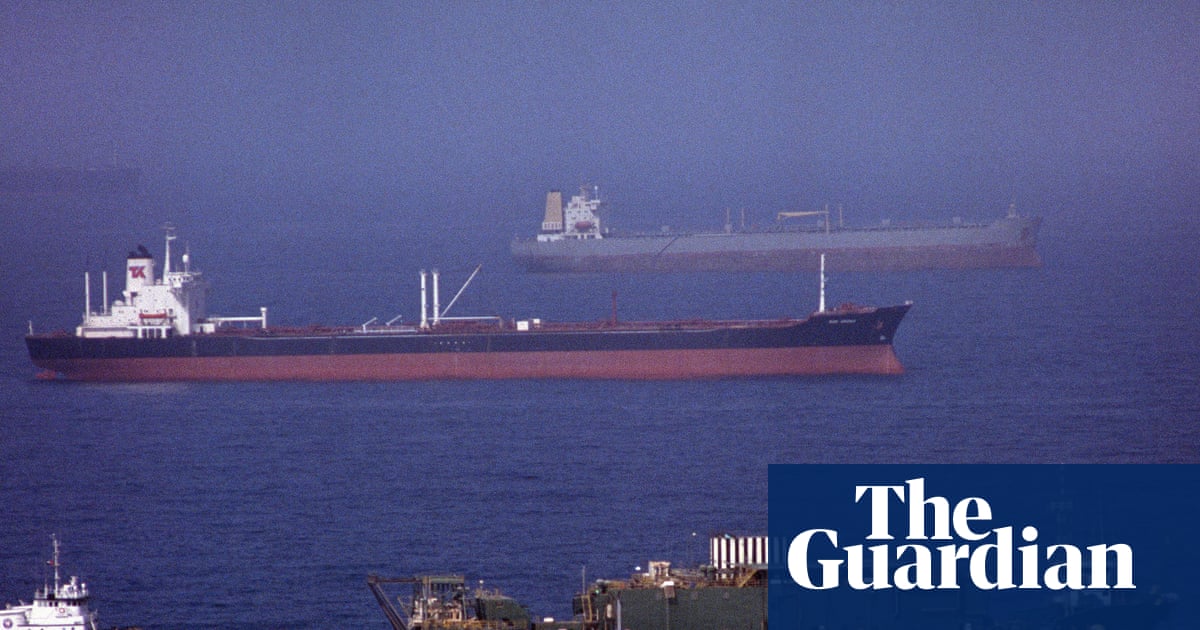
Cover image from theguardian.com, which was analyzed for this article
Crude prices dropped more than 5% as Trump called off planned strikes and diplomatic efforts advanced. Markets rallied on reduced Middle East risk.
PoliticalOS
Monday, August 3, 2026 — Business
The immediate market reaction rests on Trump’s claim that a deal framework exists, yet no independent confirmation of the talks or their scope has emerged. Oil prices and equities will remain sensitive to any sign that negotiations stall or that shipping attacks resume.
What outlets missed
Most reports omitted the specific Middle Eastern countries Trump named as having requested the pause and the detail that U.S. forces were described as locked and loaded. Only one outlet included Iran’s acting defense minister’s statement and the Fars agency dismissal. Shipping data on slowed Hormuz traffic and the three additional tanker attacks since Saturday appeared in just one dispatch, as did the Opec+ production increase and its limited impact amid ongoing disruptions.
Energy markets opened the week with sharp losses after President Donald Trump announced he had called off planned strikes on Iran to pursue negotiations. West Texas Intermediate crude for September delivery fell 5.59 percent to $79.94 a barrel, while Brent for October delivery declined 4.63 percent to $83.86, according to futures data at 5:12 a.m. ET. The moves reversed part of the more than 20 percent July gains that followed resumed U.S.-Iran fighting that began February 28 and attacks on tankers in the Strait of Hormuz.
Trump posted on Truth Social early Sunday that Iran and other Middle Eastern countries had asked him to stand down because the outlines of a deal had been reached. The proposed agreement would require the immediate, complete and total reopening of the Strait of Hormuz and an end to Iran’s nuclear threat. He later said talks with Tehran would begin Monday and added aboard Air Force One that Saudi Arabia, Qatar and the United Arab Emirates had urged the pause even though U.S. forces were ready to strike.
Iran’s acting defense minister, Seyyed Majid Ibn Al-Reza, said every threat would be treated seriously, while the Fars news agency linked to the Revolutionary Guard called the demands a wish list. Shipping data showed traffic through Hormuz had already slowed after recent tanker incidents, and two Saudi-laden vessels exited the Red Sea via the Bab el-Mandeb strait over the weekend. The UK Maritime Trade Operations Centre reported three additional tanker attacks since Saturday.
Equity futures rose on the reduced risk premium. S&P 500 contracts gained 0.6 percent and Nasdaq-100 futures advanced 0.3 percent in premarket trading; the pan-European Stoxx 600 index rose 0.4 percent, led by travel and leisure shares while energy stocks fell 2 percent. The yen strengthened more than 0.5 percent to 156.77 per dollar after the United States and Japan confirmed coordinated intervention. Opec+ separately agreed to raise output by 188,000 barrels a day from September, though analysts noted that Gulf export disruptions have limited the effect of prior quota increases.
Analysts cited by multiple outlets said lower oil prices could ease inflation pressures and cap bond yields, yet they cautioned that any collapse in talks or renewed attacks on shipping could quickly reverse the moves. Friday’s U.S. jobs report and this week’s manufacturing data remain the next scheduled market catalysts.
More in Business & Economy

Major Banks Deliver Mixed Q3 Results on Trading Beats
JPMorgan, Goldman Sachs, Citigroup, and Wells Fargo reported Q3 figures, with revenue beats in trading but some estimate misses. CNBC provided live updates on the results and market reactions.

Oil Falls on Russian Diesel Outlook Despite Geopolitical Risks
Dow futures rose while Nasdaq faced pressure from tech weakness and elevated oil after geopolitical spikes. CNBC tracked premarket moves tied to earnings and Fed speeches.

Hall and Woodford Win Economics Nobel for Stabilization Models
American economists Robert E. Hall and Michael Woodford won the Nobel memorial prize for their research on managing economies through booms and busts, informing central bank policies on inflation and unemployment.

Skydance Closes Paramount-Warner Bros. Discovery Deal
The long-delayed media mega-merger cleared hurdles and began operations under Skydance, consolidating Hollywood power. Center and center-left outlets track the regulatory and business milestones.
The Compass
You just read five takes on one story.
What's your take? Find your political shape in a few minutes.
Take the test