
Oil Falls Over 5% as Trump Halts Iran Strikes for Hormuz Talks
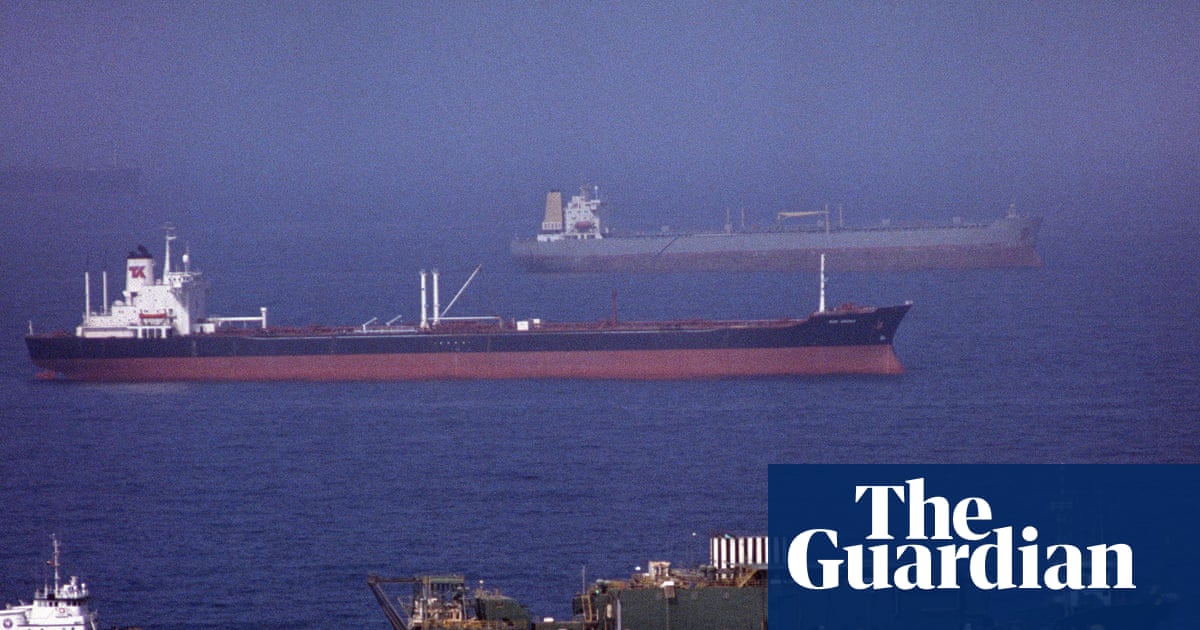
Cover image from theguardian.com, which was analyzed for this article
Crude prices dropped more than 5% as Trump called off planned strikes and diplomatic efforts advanced. Markets rallied on reduced Middle East risk.
PoliticalOS
Monday, August 3, 2026 — Business
The immediate market reaction rests on Trump’s claim that a deal framework exists, yet no independent confirmation of the talks or their scope has emerged. Oil prices and equities will remain sensitive to any sign that negotiations stall or that shipping attacks resume.
What outlets missed
Most reports omitted the specific Middle Eastern countries Trump named as having requested the pause and the detail that U.S. forces were described as locked and loaded. Only one outlet included Iran’s acting defense minister’s statement and the Fars agency dismissal. Shipping data on slowed Hormuz traffic and the three additional tanker attacks since Saturday appeared in just one dispatch, as did the Opec+ production increase and its limited impact amid ongoing disruptions.
Trump Delays Strikes on Iran to Pursue Deal as Oil Prices Drop Sharply
US President Donald Trump announced late Saturday that he had called off planned military strikes on Iran after receiving requests from Tehran and other Middle Eastern countries to allow time for negotiations. The move, posted on his Truth Social platform, cited an emerging agreement that would reopen the Strait of Hormuz and address Iran's nuclear program, with talks reportedly set to begin Monday.
Oil markets reacted immediately. Brent crude fell more than 5 percent to around 83.50 dollars a barrel by mid-morning Monday, after touching a low of 81.55 dollars. West Texas Intermediate dropped over 5 percent to near 79.50 dollars. Both benchmarks had surged more than 20 percent in July amid renewed US-Iran fighting that began in late February and attacks on tankers in the Strait of Hormuz.
European stock markets opened higher on the reduced tensions. The pan-European Stoxx 600 index rose 0.4 percent, with travel and leisure shares gaining 2.1 percent while energy stocks declined 2 percent. US futures also pointed upward, with S&P 500 contracts up 0.6 percent and Nasdaq futures gaining 0.4 percent. Analysts noted the price drop could ease inflation pressures and limit further rises in bond yields.
Iran responded cautiously. Acting Defense Minister Seyyed Majid Ibn Al-Reza said every threat would be taken seriously despite what state media described as psychological warfare. Iran's Fars news agency, linked to the Revolutionary Guard, dismissed Trump's conditions as a wish list. The episode follows weeks of heightened risks after tanker attacks revived concerns over global energy supplies.
Market analysts described the shift as a temporary reprieve. Research director Kathleen Brooks at XTB said lower oil prices should support equities by reducing inflation worries. IG analyst Tony Sycamore warned the week could repeat last week's pattern if talks stall and Iran maintains leverage over the strait. European shares have shown resilience, with Germany's DAX hitting an intraday record, though broader uncertainty lingers from the conflict that resumed earlier this year.
The diplomatic pause arrives as investors face a busy week of US economic data and corporate earnings. Manufacturing surveys and Friday's jobs report will offer fresh readings on the labor market. Over half of S&P 500 companies have already reported results, with most beating expectations. Still, the abrupt change in military plans underscores how quickly market sentiment can swing on statements from the White House.
Traders also noted intervention by US and Japanese authorities that lifted the yen to a three-month high. The combination of falling crude and firmer currencies provided relief after July's volatility. Yet questions remain over whether the proposed deal can hold, given Iran's initial dismissal and the history of stalled talks in the region.
You just read Progressive's take. Want to read what actually happened?
More in Business & Economy

Business Activity Holds Up as Selling Prices Rise Fastest Since 2022
S&P Global PMI shows robust activity but selling prices rise at fastest pace since 2022 amid energy and supply chain costs. Halloween candy prices jump 7.7%.

Stock Futures Climb on Anthropic IPO Filing and AI Financing
Major indices rose on enthusiasm from Anthropic's IPO filing and broader AI infrastructure announcements including Meta's massive fundraising plans. Investors are betting heavily on continued AI growth despite valuation concerns.

Tariffs and AI Transition Fuel Growth and Job Worries
Trump's tariff rhetoric and AI-driven restructuring raised concerns about growth, inflation, and job impacts as markets reacted to geopolitical and tech shifts.

AI Companies Weigh Early IPOs as Risks Mount
Nasdaq fell sharply amid concerns over AI spending sustainability and data center costs; Nvidia, Meta, and others were hit as Meta and Tesla reported earnings.
The Compass
You just read five takes on one story.
What's your take? Find your political shape in a few minutes.
Take the test