
Oil Prices Climb on US-Iran Strikes and Hormuz Closure

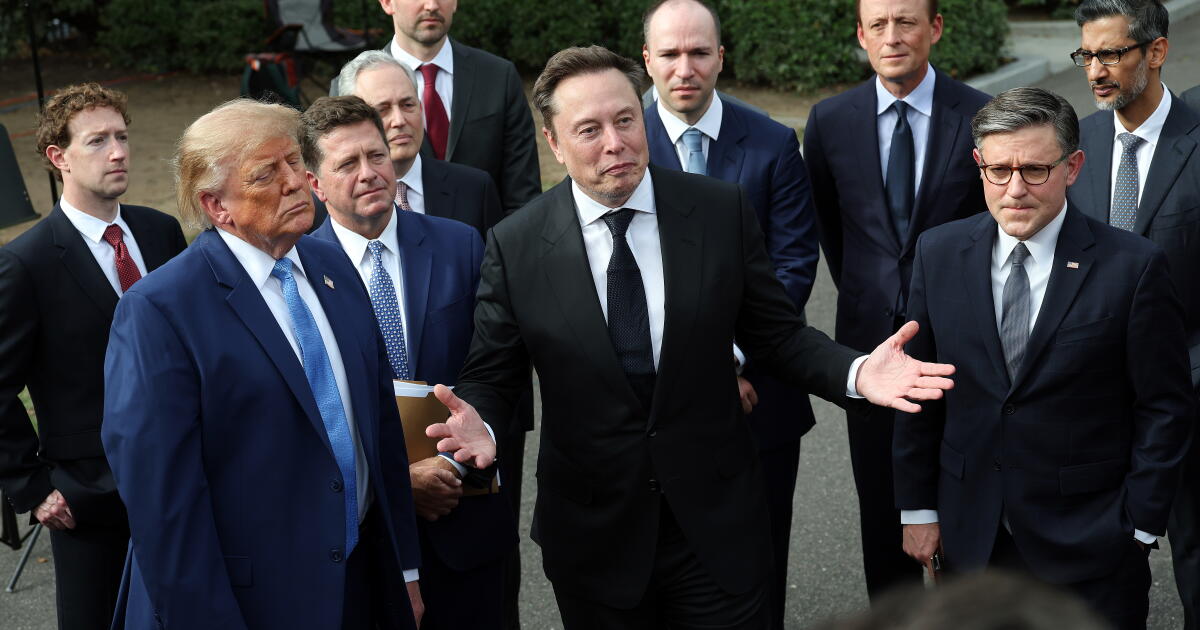
Cover image from cnbc.com, which was analyzed for this article
Crude prices jumped following US-Iran strikes and threats of further escalation. Markets are bracing for broader economic effects ahead of key inflation data.
PoliticalOS
Wednesday, June 10, 2026 — Business
Elevated oil prices reflect a physical supply cut through the Strait of Hormuz that will persist for months regardless of any quick diplomatic breakthrough. Markets now price in the risk that reserve releases will end before normal flows resume.
What outlets missed
The three-month duration of production losses and the specific 11.8 million barrel-per-day figure from Rystad Energy received little emphasis outside market wires. Details on secondary supply disruptions, including fertilizer and helium shortages, appeared in only one account. The role of Israeli operations against Hezbollah in complicating cease-fire efforts was mentioned only briefly and without attribution to named officials.
Oil Markets Face Continued Upward Pressure From Middle East Supply Disruptions
Oil prices climbed Wednesday after U.S. President Donald Trump stated that Iran would face consequences for delays in reaching a negotiated settlement. West Texas Intermediate crude for July delivery rose nearly 2 percent to $89.72 a barrel, while Brent futures for August advanced 1.3 percent to $92.74. The moves followed fresh military exchanges near the Strait of Hormuz and reflected trader concerns over sustained reductions in regional output.
The conflict began in late February when U.S. and Israeli forces struck Iranian targets, sharply cutting oil and natural gas production across several Gulf producers. Iran responded by restricting passage through the Strait of Hormuz, a chokepoint for roughly one-fifth of global oil trade. Industry estimates placed the total volume of idled production at 11.8 million barrels per day. More than one hundred days later, those volumes have not returned, keeping benchmark prices well above levels recorded before the fighting started.
Trump had earlier projected that hostilities would conclude within four to five weeks. That timeline has passed without a durable agreement. On Tuesday an American Apache helicopter was shot down during patrols near the strait. U.S. Central Command described subsequent strikes on Iranian military positions as a limited defensive response. Tehran indicated it would resume attacks if Israeli operations against Hezbollah continued in Lebanon. Those statements have kept diplomatic channels open but uncertain.
Market analysts noted that each round of strikes reintroduces a risk premium into futures prices. The latest social media remarks from Trump, in which he declared that Iran’s military had been defeated yet still must “pay the price” for slow negotiations, coincided with the intraday gains. Traders interpreted the comments as signaling possible additional measures against energy infrastructure if talks stall further. Historical patterns show that such statements can amplify short-term volatility even when underlying physical supply data remain unchanged.
Domestic effects are already visible at the pump. Retail gasoline prices have stayed elevated through the spring and are projected to remain so into the summer driving season. Refiners have drawn down inventories to meet demand, but replacement cargoes face higher freight costs and longer delivery times because of the Hormuz restrictions. Lower Chinese import volumes have provided a modest offset, yet the net balance still favors higher prices.
Longer-term supply responses remain constrained. New drilling permits in the United States require months to translate into additional barrels, and many producers have adopted cautious capital budgets amid regulatory and financing uncertainties. Strategic petroleum reserves released earlier in the conflict have cushioned some of the shortfall, but those inventories are finite and their replenishment adds further upward pressure on spot markets.
The episode illustrates how geopolitical events transmit directly into household energy expenditures. When production is curtailed and transit routes narrowed, price signals adjust quickly regardless of official forecasts. Consumers and businesses absorb those adjustments through higher fuel, heating, and transportation costs. Until physical output recovers or alternative routes scale up, the current price range is likely to persist.
You just read Conservative's take. Want to read what actually happened?
More in Business & Economy
Tariffs and AI Transition Fuel Growth and Job Worries
Trump's tariff rhetoric and AI-driven restructuring raised concerns about growth, inflation, and job impacts as markets reacted to geopolitical and tech shifts.

AI Companies Weigh Early IPOs as Risks Mount
Nasdaq fell sharply amid concerns over AI spending sustainability and data center costs; Nvidia, Meta, and others were hit as Meta and Tesla reported earnings.

Stocks Rise on Earnings as Home Sales Hit Low
Major indices closed mixed to higher, led by healthcare and defensive stocks, as companies like Eli Lilly and UnitedHealth reported strong results. Pending home sales hit record lows.

US Stocks Mixed as Tech Rebounds on AI Optimism
The Dow slipped slightly while the S&P 500 and Nasdaq rose, led by Nvidia, AMD, and Intel gains on renewed AI sector confidence after prior drops. Broader market volatility tied to earnings and data center demand.
The Compass
You just read five takes on one story.
What's your take? Find your political shape in a few minutes.
Take the test