
Oil Prices Climb on US-Iran Strikes and Hormuz Closure

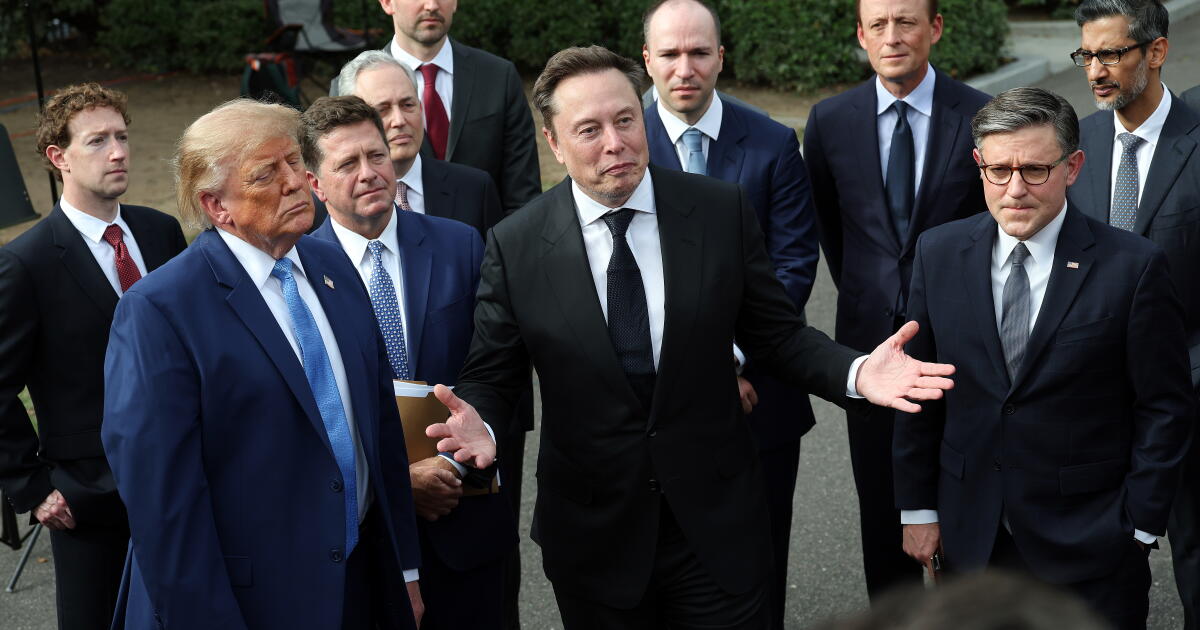
Cover image from cnbc.com, which was analyzed for this article
Crude prices jumped following US-Iran strikes and threats of further escalation. Markets are bracing for broader economic effects ahead of key inflation data.
PoliticalOS
Wednesday, June 10, 2026 — Business
Elevated oil prices reflect a physical supply cut through the Strait of Hormuz that will persist for months regardless of any quick diplomatic breakthrough. Markets now price in the risk that reserve releases will end before normal flows resume.
What outlets missed
The three-month duration of production losses and the specific 11.8 million barrel-per-day figure from Rystad Energy received little emphasis outside market wires. Details on secondary supply disruptions, including fertilizer and helium shortages, appeared in only one account. The role of Israeli operations against Hezbollah in complicating cease-fire efforts was mentioned only briefly and without attribution to named officials.
Trump's Iran Strikes Fuel Oil Price Spike Hitting US Drivers
Oil prices surged Wednesday as President Donald Trump warned Iran it would face consequences for delays in peace talks, with West Texas Intermediate crude climbing nearly 2 percent to around 90 dollars a barrel and Brent futures rising to 93 dollars. The moves followed fresh US strikes on Iranian targets near the Strait of Hormuz after an American Apache helicopter was shot down earlier in the week.
Trump posted on Truth Social that Iran's military had been defeated and that the country had taken too long to accept a deal, declaring it must now pay the price. The comments came as the conflict entered its fourth month with no clear end in sight. Iranian forces have kept the Strait of Hormuz closed, cutting off roughly 11.8 million barrels a day of production from Gulf producers and keeping global supply tight.
The latest round of fighting began after US and Israeli operations against Iran in late February. Early assessments suggested a swift resolution could restore prewar output levels within weeks. Those hopes faded as the shutdown dragged on, leaving energy markets under pressure through the summer driving season. Traders noted that diplomatic efforts have not eased the supply risks, and each new exchange of strikes has added a fresh premium to crude prices.
American households are feeling the effects at the pump. Gasoline costs have remained elevated well above levels seen before the conflict, straining budgets already stretched by inflation in food and housing. Analysts tracking the energy sector say even a quick ceasefire now would take months to translate into lower prices at the retail level because of the time required to restart shipments and rebuild inventories.
The administration's initial timeline for wrapping up the fighting has not held. What began as a limited campaign has expanded into repeated strikes, including recent hits on military sites after the helicopter incident. Tehran has signaled it will continue responding as long as Israeli operations against Iranian-backed groups persist, complicating any broader settlement.
Market watchers point to the combination of reduced Gulf output and ongoing uncertainty as the main drivers behind the price jump. Lower Chinese demand has provided some offset, yet the geopolitical risks tied to Hormuz have outweighed that factor in recent sessions. Industry estimates show the disruption ranks among the most severe oil supply shocks in years.
For US consumers, the situation underscores how foreign conflicts in the Middle East quickly reach domestic gas stations. Summer travel plans are being adjusted as families weigh higher fuel costs, and trucking companies report passing along added expenses through higher shipping rates. The pattern follows a familiar cycle where distant military engagements impose direct costs on working households without immediate benefits at home.
Trump has maintained that Iran bears responsibility for the prolonged standoff. Administration officials describe the recent strikes as defensive responses to Iranian actions. Still, the absence of a durable ceasefire leaves oil markets vulnerable to further spikes if tensions escalate again.
You just read America First's take. Want to read what actually happened?
More in Business & Economy
Tariffs and AI Transition Fuel Growth and Job Worries
Trump's tariff rhetoric and AI-driven restructuring raised concerns about growth, inflation, and job impacts as markets reacted to geopolitical and tech shifts.

AI Companies Weigh Early IPOs as Risks Mount
Nasdaq fell sharply amid concerns over AI spending sustainability and data center costs; Nvidia, Meta, and others were hit as Meta and Tesla reported earnings.

Stocks Rise on Earnings as Home Sales Hit Low
Major indices closed mixed to higher, led by healthcare and defensive stocks, as companies like Eli Lilly and UnitedHealth reported strong results. Pending home sales hit record lows.

US Stocks Mixed as Tech Rebounds on AI Optimism
The Dow slipped slightly while the S&P 500 and Nasdaq rose, led by Nvidia, AMD, and Intel gains on renewed AI sector confidence after prior drops. Broader market volatility tied to earnings and data center demand.
The Compass
You just read five takes on one story.
What's your take? Find your political shape in a few minutes.
Take the test