
Oil Prices Top $90 as Hormuz Tensions Rise After Deadline Passes
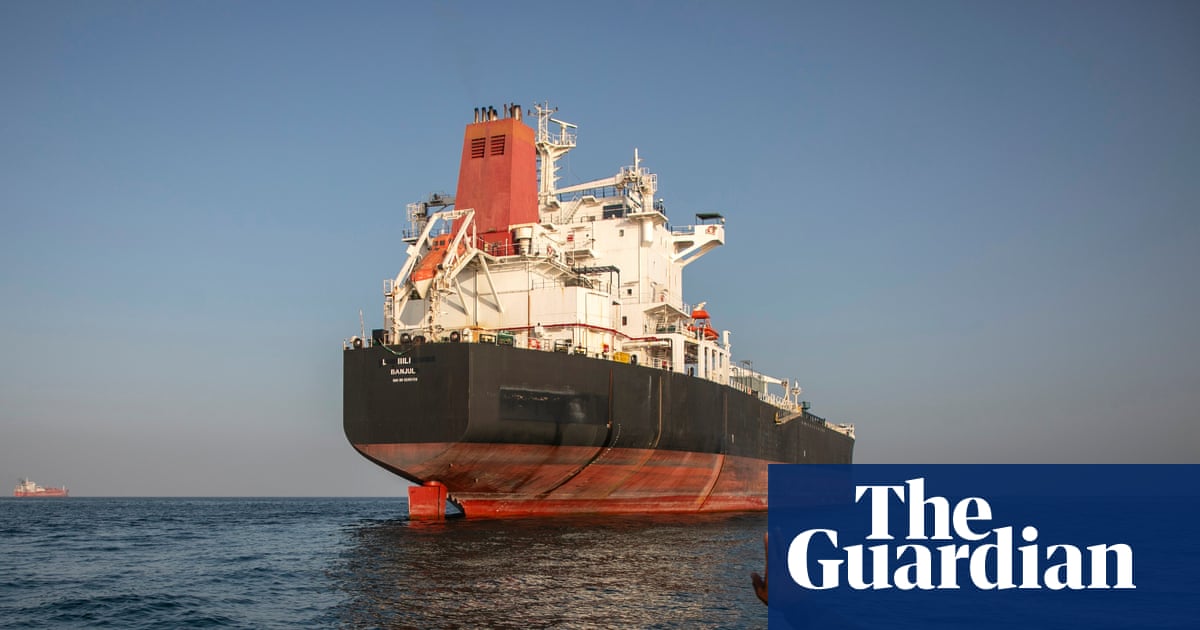
Cover image from theguardian.com, which was analyzed for this article
Crude prices reached their highest levels since July following strikes on vessels and geopolitical risks in the Strait of Hormuz tied to the Iran conflict.
PoliticalOS
Tuesday, August 18, 2026 — Business
Oil prices have risen sharply because the expiration of a bilateral negotiation window and a reported vessel incident have increased the perceived risk of disrupted flows through the Strait of Hormuz. Markets are now pricing a longer disruption, but key details such as the exact origin of the deadline and the scale of any actual shipping reduction remain only partially documented across outlets.
What outlets missed
The 60-day window originated in a US-Iran memorandum of understanding rather than a unilateral US deadline, a detail confirmed in CBS and Al Jazeera reporting. Only six vessels transited the strait on Monday, a figure that quantifies the immediate supply impact beyond general warnings. The Yahoo Finance piece alone noted the Strategic Petroleum Reserve at its lowest level since 1982, a concrete inventory constraint that amplifies price sensitivity. No outlet examined whether Gulf producers’ recent success routing cargoes outside the strait could offset a partial closure.
Crude prices climbed to their highest levels since late July as risks mounted around the Strait of Hormuz. Brent crude reached $91.63 a barrel on Tuesday morning after a cargo ship was attacked in the waterway and after the expiration of a two-month negotiation window between the United States and Iran produced no agreement.
The 60-day period had been set by a bilateral memorandum of understanding aimed at a broader truce. With no extension agreed, Iran signaled a shift toward a more aggressive posture. A UK Maritime Trade Operations report confirmed the vessel incident early Tuesday. Ship-tracking data from Kpler showed only six commodity vessels transited the strait on Monday, compared with normal daily volumes that can reach several dozen.
President Trump told Fox News he would not set a new deadline and said he was “not in a hurry.” He also warned that the United States would bomb Oman if it interfered with efforts involving the strait. An Iranian military spokesperson was quoted by Fox News saying vessels attempting passage would “find several beautiful holes in their hulls,” a statement that did not appear in contemporaneous reporting from Reuters, Al Jazeera or CBS News.
Analysts at Deutsche Bank noted that markets were now pricing in the possibility of a more extended closure. Angeline Ong of IG said any narrowing of diplomatic options through Oman would add a geopolitical premium to crude because roughly a quarter of global seaborne oil normally moves through the strait. Dan Alamariu of Alpine Macro warned that continued fighting in the Middle East could combine with Russia’s war in Ukraine to create a “double whammy” for energy prices.
US stock futures fell in response, with the Nasdaq-100 down 1 percent and the S&P 500 off 0.4 percent. The 10-year Treasury yield rose to 4.72 percent and the 30-year yield reached 5.31 percent. West Texas Intermediate crude traded near $84 a barrel. The US Strategic Petroleum Reserve stood at its lowest level since 1982.
More in Business & Economy

Major Banks Deliver Mixed Q3 Results on Trading Beats
JPMorgan, Goldman Sachs, Citigroup, and Wells Fargo reported Q3 figures, with revenue beats in trading but some estimate misses. CNBC provided live updates on the results and market reactions.

Oil Falls on Russian Diesel Outlook Despite Geopolitical Risks
Dow futures rose while Nasdaq faced pressure from tech weakness and elevated oil after geopolitical spikes. CNBC tracked premarket moves tied to earnings and Fed speeches.

Hall and Woodford Win Economics Nobel for Stabilization Models
American economists Robert E. Hall and Michael Woodford won the Nobel memorial prize for their research on managing economies through booms and busts, informing central bank policies on inflation and unemployment.

Skydance Closes Paramount-Warner Bros. Discovery Deal
The long-delayed media mega-merger cleared hurdles and began operations under Skydance, consolidating Hollywood power. Center and center-left outlets track the regulatory and business milestones.
The Compass
You just read five takes on one story.
What's your take? Find your political shape in a few minutes.
Take the test