
Oil Prices Top $90 as Hormuz Tensions Rise After Deadline Passes
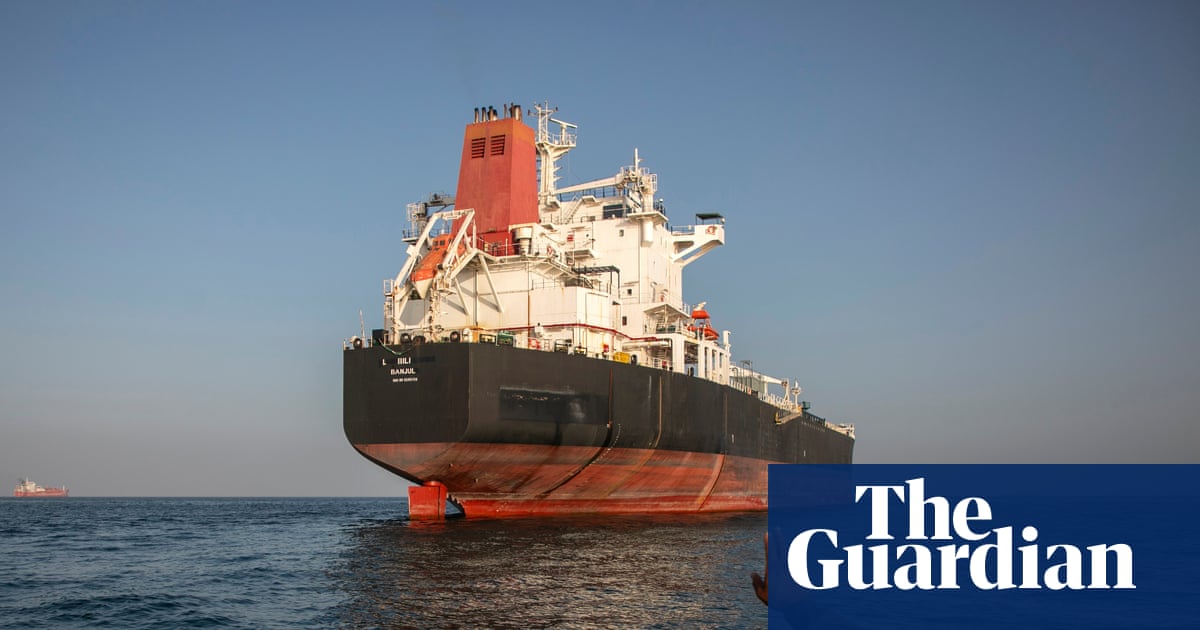
Cover image from theguardian.com, which was analyzed for this article
Crude prices reached their highest levels since July following strikes on vessels and geopolitical risks in the Strait of Hormuz tied to the Iran conflict.
PoliticalOS
Tuesday, August 18, 2026 — Business
Oil prices have risen sharply because the expiration of a bilateral negotiation window and a reported vessel incident have increased the perceived risk of disrupted flows through the Strait of Hormuz. Markets are now pricing a longer disruption, but key details such as the exact origin of the deadline and the scale of any actual shipping reduction remain only partially documented across outlets.
What outlets missed
The 60-day window originated in a US-Iran memorandum of understanding rather than a unilateral US deadline, a detail confirmed in CBS and Al Jazeera reporting. Only six vessels transited the strait on Monday, a figure that quantifies the immediate supply impact beyond general warnings. The Yahoo Finance piece alone noted the Strategic Petroleum Reserve at its lowest level since 1982, a concrete inventory constraint that amplifies price sensitivity. No outlet examined whether Gulf producers’ recent success routing cargoes outside the strait could offset a partial closure.
Oil Prices Surge Amid Collapsed US-Iran Ceasefire and Widening Regional Risks
Oil markets have tightened sharply after the expiration of a two-month window for negotiations between the United States and Iran, with no diplomatic resolution in sight. Brent crude climbed above $90 a barrel for the first time since late July, reaching $91.63 on Tuesday, while West Texas Intermediate futures rose to $84. The move reflects traders pricing in a higher probability of sustained disruption through the Strait of Hormuz, through which roughly a quarter of global seaborne oil normally flows.
The immediate trigger was a combination of Iranian statements and renewed threats from President Trump. Tehran indicated it would adopt a more offensive military posture if talks failed, and an Iranian official described a shift toward a “fully offensive” stance. Early Tuesday, the UK Maritime Trade Operations agency reported an attack on a cargo ship transiting the strait. Trump, in a Fox News interview, called on Iran to “put up the white flag of surrender” and warned that the United States would “bomb the shit out of” Oman if it interfered with American efforts in the region. It was the second time Trump has directed such language at the longtime US partner.
These developments arrive against a backdrop of already strained energy supplies. The US Strategic Petroleum Reserve has fallen to its lowest level since 1982, limiting the government’s near-term ability to offset further shortfalls. Analysts at IG noted that the explicit threat against Oman could mark a shift from expectations of temporary disruption to concerns over a more prolonged standoff, narrowing diplomatic options for keeping the strait open.
Equity markets responded with caution. Futures on the S&P 500 slipped 0.4 percent and Nasdaq-100 contracts fell 1 percent in early trading, while the 10-year Treasury yield reached 4.72 percent and the 30-year yield hit 5.31 percent, a 19-year high. Higher oil prices are feeding through to broader inflation concerns, adding to existing pressures from elevated government borrowing and corporate demand for capital in the AI sector. The combination has lifted bond yields globally and introduced new uncertainty into corporate cost structures.
Corporate earnings have provided only partial offset. Home Depot reported second-quarter results that beat expectations, with customers focusing on smaller projects rather than larger renovations, but the positive data has not reversed the broader risk-off tone driven by geopolitical developments. Other companies reporting this week will face similar questions about how sustained higher energy costs might affect consumer spending and supply chains.
The episode underscores deeper structural vulnerabilities in global energy markets. Reliance on a narrow waterway for a large share of oil trade creates persistent choke points, and the absence of credible back-channel diplomacy has left few mechanisms for rapid de-escalation. Markets are now assigning greater weight to the possibility that political signaling will continue to outpace negotiated outcomes, with direct consequences for price stability and downstream economic activity.
You just read Liberal's take. Want to read what actually happened?
More in Business & Economy

Business Activity Holds Up as Selling Prices Rise Fastest Since 2022
S&P Global PMI shows robust activity but selling prices rise at fastest pace since 2022 amid energy and supply chain costs. Halloween candy prices jump 7.7%.

Stock Futures Climb on Anthropic IPO Filing and AI Financing
Major indices rose on enthusiasm from Anthropic's IPO filing and broader AI infrastructure announcements including Meta's massive fundraising plans. Investors are betting heavily on continued AI growth despite valuation concerns.

Tariffs and AI Transition Fuel Growth and Job Worries
Trump's tariff rhetoric and AI-driven restructuring raised concerns about growth, inflation, and job impacts as markets reacted to geopolitical and tech shifts.

AI Companies Weigh Early IPOs as Risks Mount
Nasdaq fell sharply amid concerns over AI spending sustainability and data center costs; Nvidia, Meta, and others were hit as Meta and Tesla reported earnings.
The Compass
You just read five takes on one story.
What's your take? Find your political shape in a few minutes.
Take the test