
Oil Tops $114 as Iran Standoff Spurs U.S. Gas Spike and Approval Worries
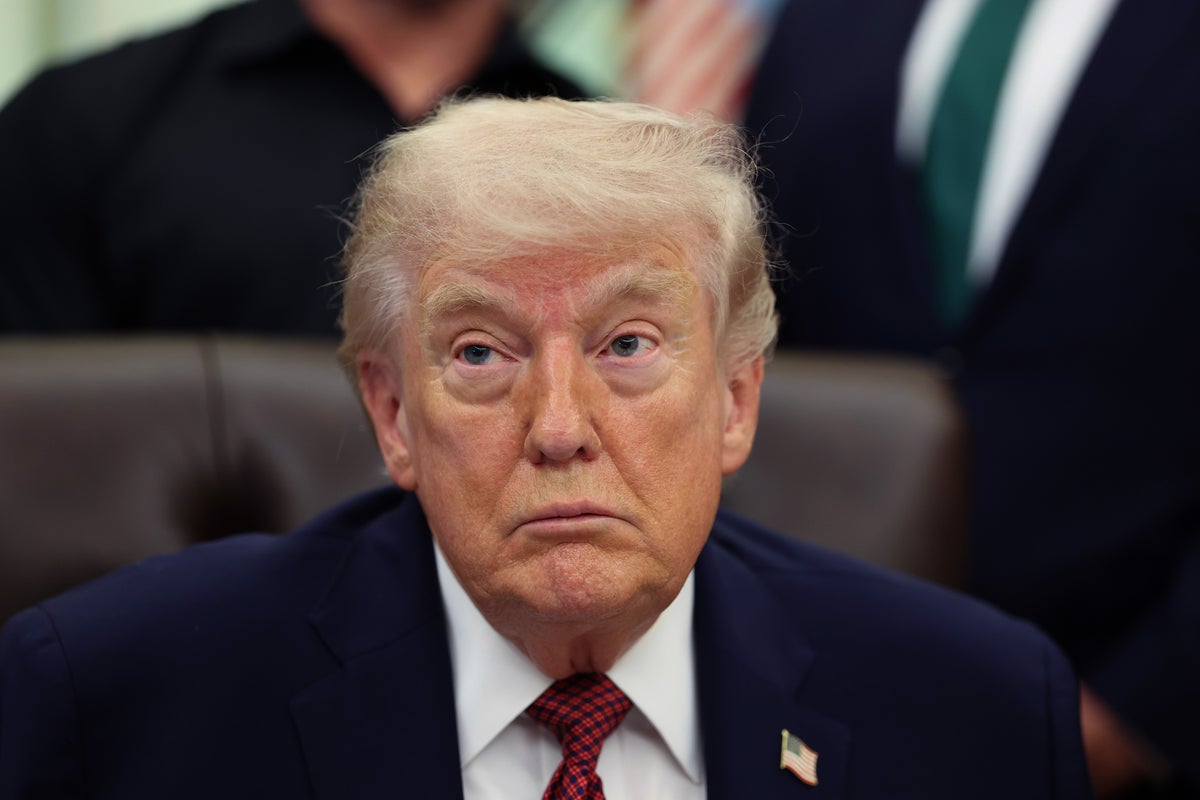
Cover image from independent.co.uk, which was analyzed for this article
Brent crude extended gains topping $114 per barrel on Trump's Iran threats and Hormuz blockade fears, with US gas prices up 20 cents per gallon recently. Affordability concerns sink Trump's approval amid stalled talks. Markets remain volatile ahead of Fed decision.
PoliticalOS
Wednesday, April 29, 2026 — Business
Rising oil and gasoline prices are the tangible domestic consequence of a conflict that began with strikes on Iranian nuclear sites in February, followed by a fragile April ceasefire whose breakdown keeps the Strait of Hormuz contested. Public polls show clear disapproval of the war's economic costs and the president's handling of inflation, yet the path to relief depends on whether stalled talks produce a verifiable agreement on nuclear limits and tanker access. Readers should treat precise poll margins and certain official quotes with caution when they appear in only one outlet.
What outlets missed
Most outlets underplayed the documented nuclear trigger for the February 28 U.S.-Israel strikes: Iran's accumulation of nearly weapons-grade uranium and near-breakout timeline, cited in Arms Control Association and UK parliamentary reports. The April 8 ceasefire, though fragile, predates the latest price spike by three weeks and was conditioned on partial de-escalation that neither side has fully met. Iran's April 27 proposal to reopen Hormuz in exchange for lifting the U.S. blockade and ending the war was referenced by only some outlets and often stripped of its linkage to nuclear deferral. Poll numbers varied across sources; the specific 34/64 and 21/70 figures in one report could not be independently verified against Reuters/Ipsos public trackers that showed slightly higher approval. Finally, the assassination attempt's timing relative to poll fieldwork received minimal attention despite its potential to influence later responses.
Trump Approval Sinks as Iran War Fuels Record Gas Prices and Household Pain
President Donald Trump's approval rating has fallen to a new low as the grinding conflict with Iran drives up energy costs and leaves American families struggling to make ends meet. A Reuters/Ipsos poll released this week found just 34 percent of Americans approve of the president's performance while 64 percent disapprove, the worst mark since he returned to the White House in January 2025. The numbers on inflation and rising prices are even more dismal, with only 21 percent approving of Trump's handling of the economy and 70 percent disapproving.
The timing is no coincidence. For two months the United States and Israel have been engaged in military action against Iran. A fragile ceasefire is in place but peace talks remain stalled, with both sides demanding concessions the other refuses to give. Iran has restricted traffic through the Strait of Hormuz, the narrow passage that carries about one fifth of the world's seaborne oil. The United States has responded with a naval blockade of Iranian ports. The result is exactly what working families across the country are experiencing at the pump and the grocery store.
The national average price for regular gasoline hit $4.229 per gallon on Wednesday according to AAA, a jump of more than twenty cents in a single week and well above the April low of $4.02. Diesel fuel has climbed to roughly $5.46 a gallon. Those numbers translate directly into higher shipping costs, more expensive groceries, and tighter budgets for truckers, farmers, and anyone who commutes to work. Brent crude futures topped $114 per barrel this week, extending a multi-day rally even as the United Arab Emirates delivered a surprise exit from OPEC, further unsettling global markets.
President Trump has tried to project confidence, posting on Truth Social that Iran had better "get smart soon" and insisting that gas prices will return to around three dollars once the conflict ends. His Energy Secretary Chris Wright told CNN last week that prices had "likely peaked" for the year, though he conceded they might not fall back toward three dollars until later this year or even next. Trump pushed back on that timeline, tying relief directly to the end of hostilities.
Yet the longer the standoff drags on, the clearer it becomes that America's vulnerability to Middle Eastern chaos remains a costly liability. Every extra dollar spent at the gas station is money not spent on rent, groceries, or family needs. Small businesses are absorbing higher diesel costs and passing them along to customers. The ripple effects are hitting the very people who elected Trump on the promise of putting American interests first. Instead, the country finds itself entangled in another expensive foreign conflict while domestic prices climb.
The situation underscores a larger truth that Washington policymakers have ignored for decades. Relying on distant oil chokepoints and volatile regimes for energy security is a losing strategy. True energy independence, achieved through increased domestic production, would shield American families from the whims of Tehran or the disruptions of Hormuz. Red-state analysts have been sounding this alarm for weeks: stalled Iran talks are not abstract foreign policy. They are empty pantries and strained household budgets here at home.
The polling drop comes as the administration faces other pressures. Most of the survey responses were collected before Saturday's shooting at the White House Correspondents' Dinner, where a suspect has been charged with attempting to assassinate the president. That event may shift some public sentiment in the coming days, but the pocketbook pain from energy prices is unlikely to fade quickly.
Critics of endless Middle East engagements have long warned that these conflicts rarely deliver lasting stability and almost always extract a price from ordinary citizens rather than the elites who advocate for them. The current spike in oil and gasoline costs offers a textbook example. While defense contractors and certain foreign allies may benefit from prolonged tension, the truck driver in Pennsylvania or the single mother in Ohio sees only larger bills and smaller paychecks.
Trump built much of his political support on the idea that America's leaders should stop shipping treasure and blood overseas while neglecting problems at home. The current Iran situation tests whether that principle can survive the pressures of governing. If negotiations remain frozen and gas prices stay elevated, the disapproval numbers risk climbing higher. Americans are patient but not when the cost of living keeps rising without any clear end in sight.
For now the blockade continues, tankers move with caution, and families cut back where they can. The administration insists a resolution is possible if Iran comes to terms. Yet each day without a breakthrough brings another reminder that foreign wars have domestic consequences, and those consequences are landing squarely on the kitchen tables of the American middle class. Energy independence is not a slogan. In moments like this it is a necessity.
You just read America First's take. Want to read what actually happened?
More in Business & Economy

Stocks Rise on Earnings as Home Sales Hit Low
Major indices closed mixed to higher, led by healthcare and defensive stocks, as companies like Eli Lilly and UnitedHealth reported strong results. Pending home sales hit record lows.

US Stocks Mixed as Tech Rebounds on AI Optimism
The Dow slipped slightly while the S&P 500 and Nasdaq rose, led by Nvidia, AMD, and Intel gains on renewed AI sector confidence after prior drops. Broader market volatility tied to earnings and data center demand.

Trump Unveils $8 Billion Diesel Relief for Farmers
The Agriculture Department launched the program to offset record diesel prices for farmers, framed as economic aid and a midterm pitch in Kansas amid ongoing inflation and energy cost pressures.
CPI Rises to 3.7 Percent as Energy Costs Climb Amid Iran Conflict
Hotter-than-expected CPI figures fueled rate hike fears and contributed to sharp declines in AI and tech stocks. Left and right economic commentary debates Trump policies versus Fed actions.
The Compass
You just read five takes on one story.
What's your take? Find your political shape in a few minutes.
Take the test