
Orbán Ousted as Magyar's Tisza Party Wins Supermajority in Hungary

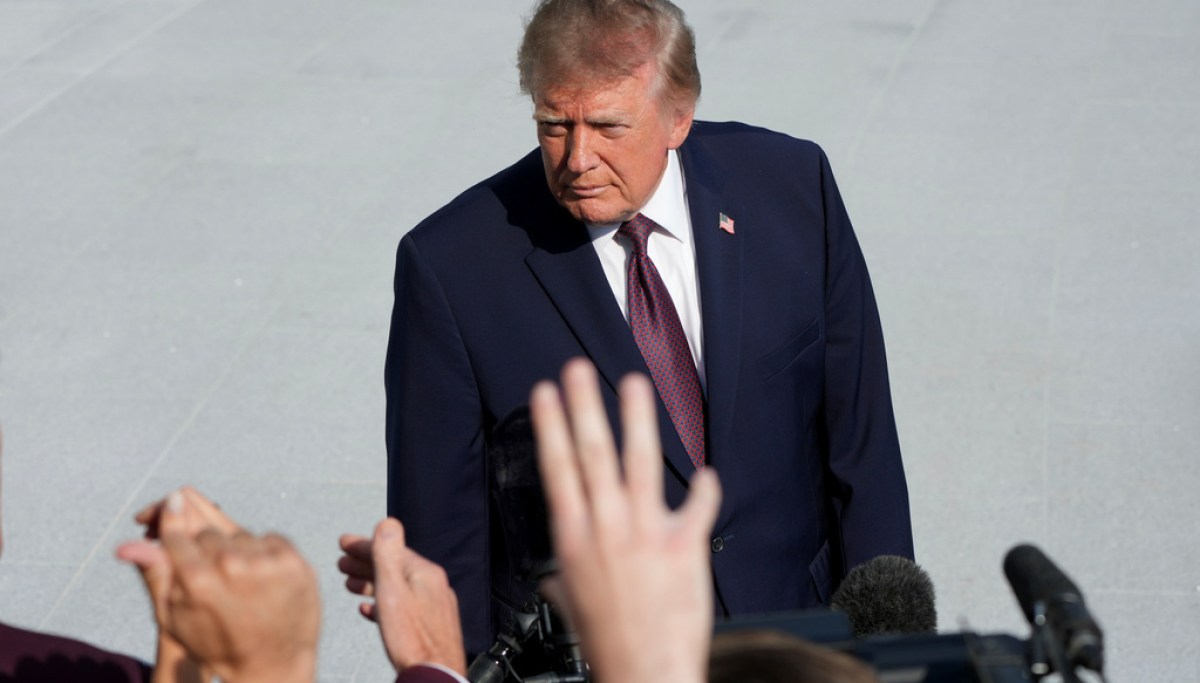
Cover image from talkingpointsmemo.com, which was analyzed for this article
Hungary's Viktor Orban was defeated by opposition leader Peter Magyar, ending his 16-year rule in a landmark vote. The result is hailed as a victory against competitive authoritarianism with lessons for the US. Celebrations erupted across the country.
PoliticalOS
Monday, April 13, 2026 — Politics
Viktor Orbán's 16-year era of consolidated power, media dominance and Russia-friendly policies has ended through a high-turnout election that gave Péter Magyar's Tisza party a constitutional supermajority. The result opens a path to institutional reform and warmer EU ties but leaves Hungary deeply polarized, with Fidesz retaining more than a third of the vote and questions about whether an ex-insider can fully dismantle the system he once served. The single most important reality is that this was a conservative-led repudiation of one style of conservative governance, not a leftward realignment, and its durability will depend on Magyar's ability to deliver on anti-corruption and economic promises amid contested pre-election tactics on all sides.
What outlets missed
Most coverage omitted that recent economic data showed inflation falling sharply to 2.1 percent year-over-year by January 2026, tempering narratives of unrelenting stagnation under Orbán. Pre-election polling was more mixed than uniformly reported, with some surveys showing Fidesz ahead or within margin of error even as others favored Tisza by wide margins. Outlets downplayed Magyar's own scandals, including his ex-wife's accusation of domestic violence and a separate 2026 claim involving alleged drug use that he dismissed as a Russian-style "honey trap" operation. Fidesz's 37.8 percent of the vote and 55 seats, while a loss, represented a resilient base especially in rural areas and among ethnic Hungarians abroad, a fact that limits how sweeping the "total repudiation" framing can be. Mutual pre-election fraud allegations between parties, along with OSCE observer notes on systemic tilt but no widespread post-vote irregularities, received little balanced treatment.
Hungary Rejects Viktor Orban After 16 Years in a Vote That Resonates Far Beyond Its Borders
BUDAPEST — Hungarian voters delivered a decisive verdict on Sunday against Viktor Orban, ending his 16-year dominance of the country’s politics and handing a supermajority to an opposition party led by a onetime insider who campaigned on restoring democratic norms and reanchoring Hungary in the European mainstream. With 97 percent of precincts counted, Peter Magyar’s Tisza party captured 53.6 percent of the vote and 138 seats in the 199-seat parliament. Orban’s Fidesz party fell to 37.8 percent and 55 seats. Turnout hit a record 79 percent, according to election officials, reflecting the intensity of a contest that many here viewed as a referendum on whether “illiberal democracy” would remain Hungary’s exportable model.
Orban conceded defeat quickly, a notable departure from the protracted resistance many analysts had feared from a leader who had spent more than a decade reshaping state institutions, media ownership, and electoral rules to his advantage. In a brief statement, he congratulated Magyar and said he would work in opposition. The outcome immediately reverberated across Europe and in Washington. European Commission President Ursula von der Leyen hailed the result with a terse but pointed message: “Hungary has chosen Europe. Europe has always chosen Hungary.” Ukrainian President Volodymyr Zelensky offered congratulations, noting that the vote removes one of Moscow’s most reliable voices inside the European Union at a moment when Russian forces continue their war of attrition.
The scale of the defeat marks a striking reversal for a politician long treated as a lodestar by right-wing movements from Marine Le Pen’s National Rally in France to Donald Trump’s MAGA orbit in the United States. Orban’s government had cultivated close ties with the Kremlin even after the full-scale invasion of Ukraine, blocked EU sanctions packages at critical junctures, and positioned Hungary as a champion of “sovereign democracy” that placed national identity and centralized power above the checks and balances favored in Brussels. That model, built through careful control of courts, public broadcasters, and university governance, had begun to show cracks under the weight of three years of economic stagnation, double-digit inflation that eroded living standards, and a series of scandals involving allies enriching themselves at public expense.
Magyar, 45, emerged from the very system he now vows to dismantle. A lawyer and former diplomat, he is the great-nephew of Ferenc Madl, a conservative president who served during Orban’s first term as prime minister in the early 2000s. Magyar held mid-level positions in Fidesz governments, including a stint at the state development bank, before breaking dramatically with the regime. The turning point came in 2024 after a presidential clemency scandal involving a convicted child abuser exposed deep rot inside the justice ministry and presidency. Both the president and justice minister resigned. Magyar began recording conversations with former colleagues that revealed the machinery of patronage and intimidation. His rapid ascent from political outsider to party leader in barely 18 months surprised even seasoned Hungarian observers.
In victory speeches along the Danube on Sunday night, Magyar struck themes of renewal and responsibility. “Tonight, truth prevailed over lies,” he told thousands of supporters. “Hungarians didn’t ask what their homeland could do for them; they asked what they could do for their homeland.” His message blended center-right economics with a firm commitment to EU membership, independent courts, and a free press. That blend proved potent. Polls in the final weeks showed Tisza consolidating support from both liberal urban voters weary of Orban’s culture wars and rural conservatives frustrated by corruption and declining public services.
Analysts who have tracked Hungary’s slide into competitive authoritarianism see three broader lessons in the outcome. First, insider defections matter. Magyar’s credibility as someone who understood the regime from within neutralized Fidesz attacks that painted the opposition as elitist or foreign-funded. Second, sustained civic pressure can overcome institutional tilting. Despite gerrymandered districts and state-dominated media, a coalition of independent journalists, civil-society groups, and grassroots organizers gradually shifted the information environment. Third, economic pain can pierce ideological armor. Even voters who once admired Orban’s hard line on migration grew tired of waiting times at hospitals and utility bills that had doubled in real terms.
The new parliament’s two-thirds majority gives Tisza the power to amend the constitution, reform the judiciary, and begin unwinding the network of loyalist appointees that Orban installed across independent institutions. Magyar has pledged to restore the autonomy of universities, depoliticize public media, and renegotiate Hungary’s relationship with both Brussels and Kyiv. How quickly and cleanly he can deliver will test whether democratic renewal can keep pace with public expectations in a country where cynicism about politics runs deep.
For the European Union, the result removes a chronic spoiler. Hungary’s veto power had slowed everything from Ukraine aid packages to rule-of-law enforcement. Officials in Brussels are already signaling willingness to release frozen cohesion funds once Budapest demonstrates credible reform. For the United States, the implications are more symbolic but no less pointed. Orban had been feted at conservative conferences and praised by Trump allies as a visionary defender of Western civilization against progressive excess. His defeat arrives at a moment when American conservatives are debating whether the “national conservatism” he championed remains viable or has become a vehicle for personalist rule.
Orban’s supporters, who still represent more than a third of the electorate, warn that Magyar will simply replace one elite with another and that EU integration will erode Hungarian sovereignty. Yet the breadth of Sunday’s turnout and the geographic spread of Tisza’s victory suggest something deeper than partisan turnover. Many voters described the mood as one of collective exhaustion with permanent political tension. Mihaly Bacsi, a 27-year-old who cast his ballot in Budapest for Tisza, spoke for a generation when he said the country needed “an improvement in public mood” and a return to the Western path that even Fidesz once claimed as its own.
The task ahead is enormous. Rebuilding independent institutions after years of capture cannot be done by decree. Economic recovery will require both fiscal discipline and EU partnership. And Magyar must govern a polarized society in which Orban retains a vocal base and significant media infrastructure. Still, the vote stands as a rare recent example of a consolidated illiberal system being dislodged at the ballot box rather than through crisis or external intervention. For democracies elsewhere confronting similar challenges, the Hungarian result offers something that has been in short supply lately: evidence that majorities can still be mobilized to defend the rules when the stakes become clear enough.
You just read Liberal's take. Want to read what actually happened?
More in Politics

Federal Agents Search Omar Home in Ongoing Immigration Probe
Homeland Security agents searched the Minnesota Democrat's DC residence in a criminal probe, prompting accusations of political intimidation from Omar and Democratic leaders. Coverage spans left-leaning outlets like NPR, BBC, and The Guardian alongside right-leaning criticism from The Federalist and Daily Wire.

Trump Diesel Import Plan Draws Pushback Over Russia Ties
The weekend agreement drew bipartisan congressional pushback and criticism from Ukraine's Zelenskyy, with analysts downplaying US fuel price impacts. Right-leaning outlets like National Review, Dispatch, and Washington Examiner questioned its legality and effectiveness.

Independents Test Voter Appetite for Middle Ground in 2026 Midterms
Nearly 200 independents are running in competitive races as voters weigh ballot measures on housing costs in states like Massachusetts. Left-leaning coverage from NYT, NPR, and Guardian highlights turnout and key races while right outlets focus on GOP strategy.
Trump Rallies in Alaska, Ohio to Bolster GOP Senate Candidates
The president rallied in Wasilla for Sen. Dan Sullivan and faced empty seats at an Ohio event amid midterm concerns. Outlets across the spectrum covered the trips as signals of GOP vulnerability weeks before Election Day.
The Compass
You just read five takes on one story.
What's your take? Find your political shape in a few minutes.
Take the test