
Pakistan Brokers US-Iran Talks as Fragile Truce Nears End
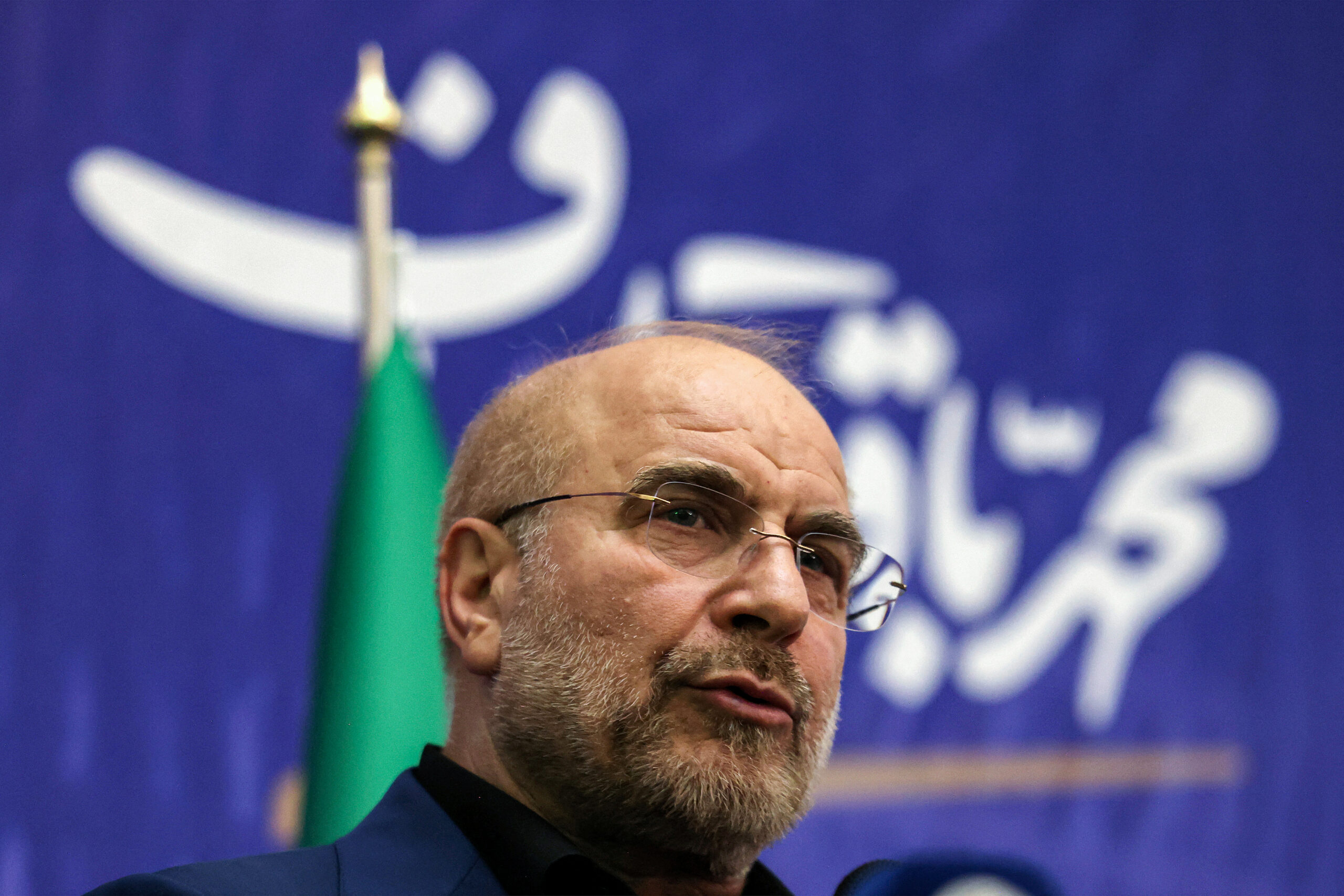
Cover image from theamericanconservative.com, which was analyzed for this article
Fresh from its own conflicts, Pakistan pushes new US-Iran negotiations. Vance met key figures in Islamabad. The effort aims to avert wider war amid blockade.
PoliticalOS
Tuesday, April 14, 2026 — Politics
Pakistan’s geography and relationships have created a narrow channel for U.S.-Iran diplomacy that would not otherwise exist, yet the first round exposed unbridgeable gaps on Iran’s nuclear program. The single most important reality is that the two-week truce is not self-sustaining; without concrete progress in further rounds, blockade pressure and domestic politics on all sides point toward renewed conflict with consequences for oil markets and regional security that will not remain contained. Readers should track whether the Vance-Ghalibaf channel continues or whether rhetorical escalation closes it.
What outlets missed
Both outlets underplayed the specific technical disagreements on uranium enrichment thresholds and sunset clauses that have defined every prior U.S.-Iran nuclear negotiation since 2003. Coverage also minimized the human cost of the preceding 12-Day War, including civilian casualties in Iranian cities and disruptions to international shipping that raised insurance premiums in the Gulf by double digits according to maritime sources. The precise legal basis and operational details of the U.S. naval blockade of Hormuz received almost no attention, leaving unclear how strictly it is enforced and what exceptions exist for Chinese or Indian tankers. Finally, neither piece examined how assassinations attributed to Israel and the U.S. altered Iran's internal power structure, nor did they address Pakistan's history of alleged ties to militant proxies that still color Indian and Afghan skepticism of Islamabad's mediation motives.
The risk of renewed war hangs over global energy supplies and Middle Eastern stability. After a short but devastating conflict, the first direct negotiations between the United States and Iran in Islamabad have ended without agreement. Pakistan, host and self-styled mediator, now scrambles to arrange a second round before a two-week truce expires.
At the center of the impasse sits Iran's nuclear program. The U.S. insists on strict limits and verification. Iran seeks sanctions relief and guarantees against future military action. Vice President J.D. Vance led the American side through 21 hours of talks. Opposite him stood Mohammad Bagher Ghalibaf, Iran's parliament speaker, heading a delegation that included foreign minister Abbas Araghchi, central bank governor Abdolnasser Hemmati and nuclear negotiator Ali Bagheri Kani. The group spanned reformists to hardliners, a composition one outlet suggested signaled broad buy-in from Tehran's system.
No deal materialized. Vance told reporters the failure represented "bad news for Iran much more than it's bad news for the United States." He nevertheless thanked Pakistani Prime Minister Shehbaz Sharif and Army Chief Asim Munir by name for attempting to close gaps. Ghalibaf offered similar praise for the hosts. The talks occurred inside a two-week ceasefire arranged to prevent wider escalation after what both sides term the 12-Day War, which followed Israeli strikes on Iranian targets and U.S. involvement. A U.S. naval blockade of the Strait of Hormuz remains in effect, threatening oil shipments that supply roughly one-fifth of global trade.
Pakistan's role marks an unexpected pivot. The country shares a 900-kilometer border with Iran, maintains ties to China, Saudi Arabia and the Gulf states, and has seen relations with Washington warm since Sharif and Munir visited earlier this year. According to analysts cited by Al-Monitor, recent military actions lent credibility. In May 2025 Pakistan engaged in a brief but intense clash with India following a terrorist attack New Delhi attributed to Pakistan-based militants. Islamabad also conducted airstrikes into Afghanistan targeting groups it accuses of operating from Taliban territory. These episodes, Pakistani academics argue, demonstrated resolve that now translates into diplomatic weight. Michael Kugelman of the Atlantic Council called Pakistan "an unsung success story when it comes to strategic autonomy."
Ghalibaf himself presents a study in contradictions that neither original report fully captured. A former Islamic Revolutionary Guard Corps commander, Tehran police chief and two-term mayor, he rose through institutions central to the Islamic Republic. Some observers describe him as a calculating nationalist who once compared himself to a "religious Reza Khan" focused on order and borders rather than exporting revolution. That characterization, however, could not be independently verified across multiple biographical sources. Other reporting from DW, IranWire and United Against Nuclear Iran links him to the suppression of the 1999 student protests and 2009 Green Movement, plus corruption allegations during his mayoral tenure involving fictitious contracts and family financial dealings. These claims were omitted from coverage that emphasized his pragmatism.
The American Conservative argued Washington underestimated Iran's political will and should prepare for multiple rounds of expert-level talks rather than demand immediate capitulation. It warned that President Trump's Truth Social posts boasting of destroyed Iranian naval and air assets risked sabotaging negotiations. Al-Monitor framed the story as Pakistan's image rehabilitation, quoting local professors who said "in international politics, the currency is power." Both accounts stressed incentives to avoid relapse into conflict. Neither detailed exact Iranian counter-proposals or the precise U.S. red lines on uranium enrichment levels.
Additional complications surfaced in commentary surrounding the talks. Some U.S. voices, including columnists cited in The American Conservative, suggested threatening Iranian negotiators with severe consequences if demands went unmet. Such rhetoric, the piece noted, could convince Tehran that Washington is not agreement-capable. On the Iranian side, hardliners within Ghalibaf's own delegation may resist concessions that appear to reward military pressure.
The truce can be extended. Geography gives Pakistan continued relevance. Yet success hinges on whether repeated meetings can overcome nearly five decades of enmity, domestic constituencies wary of compromise, and competing narratives about strength. One round has clarified the distance between positions. The coming days will reveal whether that distance narrows or whether the blockade tightens and hostilities resume.
More in Politics

Federal Agents Search Omar Home in Ongoing Immigration Probe
Homeland Security agents searched the Minnesota Democrat's DC residence in a criminal probe, prompting accusations of political intimidation from Omar and Democratic leaders. Coverage spans left-leaning outlets like NPR, BBC, and The Guardian alongside right-leaning criticism from The Federalist and Daily Wire.

Trump Diesel Import Plan Draws Pushback Over Russia Ties
The weekend agreement drew bipartisan congressional pushback and criticism from Ukraine's Zelenskyy, with analysts downplaying US fuel price impacts. Right-leaning outlets like National Review, Dispatch, and Washington Examiner questioned its legality and effectiveness.

Independents Test Voter Appetite for Middle Ground in 2026 Midterms
Nearly 200 independents are running in competitive races as voters weigh ballot measures on housing costs in states like Massachusetts. Left-leaning coverage from NYT, NPR, and Guardian highlights turnout and key races while right outlets focus on GOP strategy.
Trump Rallies in Alaska, Ohio to Bolster GOP Senate Candidates
The president rallied in Wasilla for Sen. Dan Sullivan and faced empty seats at an Ohio event amid midterm concerns. Outlets across the spectrum covered the trips as signals of GOP vulnerability weeks before Election Day.
The Compass
You just read five takes on one story.
What's your take? Find your political shape in a few minutes.
Take the test