
Pakistan Brokers US-Iran Talks as Fragile Truce Nears End
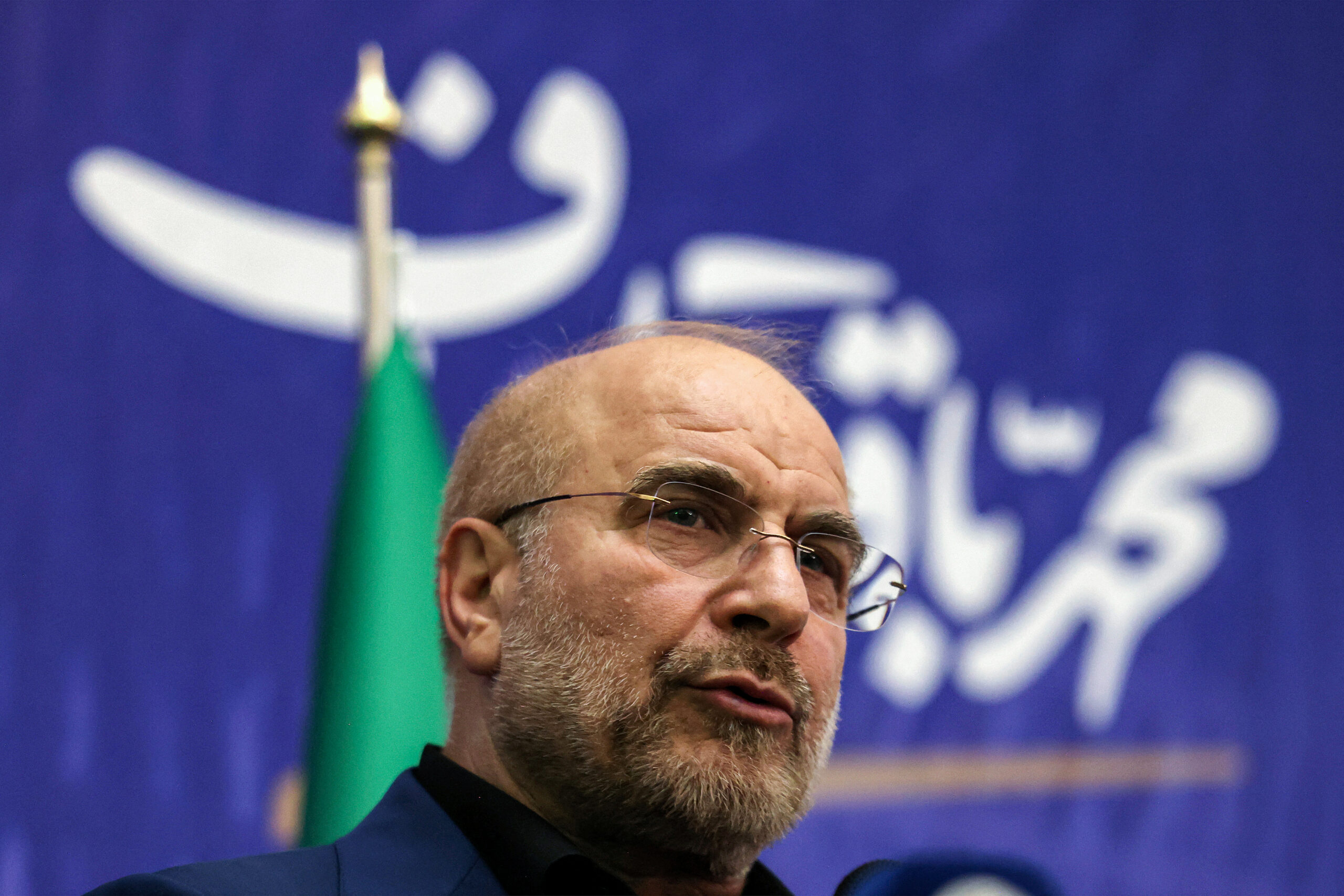
Cover image from theamericanconservative.com, which was analyzed for this article
Fresh from its own conflicts, Pakistan pushes new US-Iran negotiations. Vance met key figures in Islamabad. The effort aims to avert wider war amid blockade.
PoliticalOS
Tuesday, April 14, 2026 — Politics
Pakistan’s geography and relationships have created a narrow channel for U.S.-Iran diplomacy that would not otherwise exist, yet the first round exposed unbridgeable gaps on Iran’s nuclear program. The single most important reality is that the two-week truce is not self-sustaining; without concrete progress in further rounds, blockade pressure and domestic politics on all sides point toward renewed conflict with consequences for oil markets and regional security that will not remain contained. Readers should track whether the Vance-Ghalibaf channel continues or whether rhetorical escalation closes it.
What outlets missed
Both outlets underplayed the specific technical disagreements on uranium enrichment thresholds and sunset clauses that have defined every prior U.S.-Iran nuclear negotiation since 2003. Coverage also minimized the human cost of the preceding 12-Day War, including civilian casualties in Iranian cities and disruptions to international shipping that raised insurance premiums in the Gulf by double digits according to maritime sources. The precise legal basis and operational details of the U.S. naval blockade of Hormuz received almost no attention, leaving unclear how strictly it is enforced and what exceptions exist for Chinese or Indian tankers. Finally, neither piece examined how assassinations attributed to Israel and the U.S. altered Iran's internal power structure, nor did they address Pakistan's history of alleged ties to militant proxies that still color Indian and Afghan skepticism of Islamabad's mediation motives.
Vance Holds Firm Against Iran in Pakistan as Truce Buys Time for Real Diplomacy
Pakistan has suddenly become the unlikely center of efforts to prevent another American war in the Middle East. Vice President JD Vance returned from Islamabad without a final agreement after face-to-face talks with Iranian officials, but the two-week truce that Pakistan helped broker remains in place. The episode reveals a region where power realities, not Washington talking points, will decide whether conflict escalates or ends.
The meetings, hosted by Pakistan, brought Vance together with Mohammad Bagher Ghalibaf, Iran's parliament speaker and a figure often described in diplomatic circles as a pragmatic operator rather than an ideological hardliner. Ghalibaf has long balanced revolutionary credentials with a reputation for competence in governance and a willingness to engage when it serves Iranian interests. That Vance sat across from him in Islamabad matters more than the immediate lack of a breakthrough. It shows that even after recent fighting, channels remain open between two nations that have spent decades talking past each other through proxies and sanctions.
Vance told reporters the Iranians rejected American terms and that the outcome represented worse news for Tehran than for Washington. His tone was measured, avoiding the chest-thumping that has defined too many American statements on Iran in the past. The vice president understands what many in the foreign policy establishment still refuse to accept: the United States has no appetite for another forever war in the Persian Gulf. After years of costly interventions that delivered little beyond bigger defense budgets and new terrorist recruiting tools, the America First approach prioritizes securing actual concessions over performative toughness that leads nowhere.
Pakistan's role deserves closer attention. Just months after fighting border conflicts with both India and Afghanistan, Islamabad positioned itself as regional stabilizer. Prime Minister Shehbaz Sharif moved quickly to secure the initial ceasefire as President Trump's deadline for potential strikes against Iranian targets approached. Pakistani officials saw an opening to demonstrate that their country amounts to more than the security problem it has been portrayed as for years. By hosting the talks, Pakistan showed a form of strategic autonomy that larger powers often lecture others about but rarely practice themselves.
Analysts in Islamabad and Washington noted the contrast. A nation that battled extremists at home and clashed with neighbors has now inserted itself into great power diplomacy. This is not weakness masquerading as neutrality. Pakistan demonstrated military credibility first, then used that credibility to convene rivals. The lesson should not be lost on Washington. Strength precedes successful negotiation. Countries that project power tend to earn seats at the table. Those perceived as paper tigers get ignored or exploited.
The truce still has days left to run. Both sides have incentives to avoid resumption of direct conflict. Iran faces economic pressure and the reality of American military reach. The United States has stretched its resources across multiple theaters and domestic priorities that matter more to ordinary Americans than another Middle East crusade. Neither Vance nor the Iranians appeared in Islamabad ready to fold completely. That is not failure. It is the normal rhythm of serious diplomacy, something Washington has too often replaced with maximalist demands followed by shock when they are rejected.
The American Conservative outlet rightly noted that Ghalibaf represents a negotiating partner who understands pragmatism even within Iran's constrained political system. Expecting Tehran to simply capitulate to every American demand misunderstands both Iranian resilience and the current balance of power. Real agreements on nuclear issues, regional proxies, and sanctions relief require multiple rounds, expert working groups, and the patience that characterized Cold War arms control talks. The alternative is drift toward confrontation that serves no clear American interest beyond satisfying think tank hawks who never seem to bear the costs of their recommendations.
Critics will claim any engagement with Iran rewards bad behavior. The record suggests the opposite approach has failed for decades. Sanctions alone did not collapse the regime. Proxy wars drained resources without delivering decisive victories. The American people have grown weary of policies that treat every foreign problem as an existential threat requiring U.S. troops, bombs, or both. Vance's willingness to travel to Islamabad and sit with Ghalibaf reflects a recognition that avoiding unnecessary war represents strength, not surrender.
The coming days will test whether both capitals can extend the truce and return to the table with realistic expectations. Pakistan has earned some credit for creating the opening. Whether Washington and Tehran possess the internal discipline to use it remains the larger question. For now the guns have fallen silent, bought by Pakistani diplomacy and Vance's direct engagement. In a region long defined by miscalculation, that breathing room counts as progress worth protecting.
You just read America First's take. Want to read what actually happened?
More in Politics

Federal Agents Search Omar Home in Ongoing Immigration Probe
Homeland Security agents searched the Minnesota Democrat's DC residence in a criminal probe, prompting accusations of political intimidation from Omar and Democratic leaders. Coverage spans left-leaning outlets like NPR, BBC, and The Guardian alongside right-leaning criticism from The Federalist and Daily Wire.

Trump Diesel Import Plan Draws Pushback Over Russia Ties
The weekend agreement drew bipartisan congressional pushback and criticism from Ukraine's Zelenskyy, with analysts downplaying US fuel price impacts. Right-leaning outlets like National Review, Dispatch, and Washington Examiner questioned its legality and effectiveness.

Independents Test Voter Appetite for Middle Ground in 2026 Midterms
Nearly 200 independents are running in competitive races as voters weigh ballot measures on housing costs in states like Massachusetts. Left-leaning coverage from NYT, NPR, and Guardian highlights turnout and key races while right outlets focus on GOP strategy.
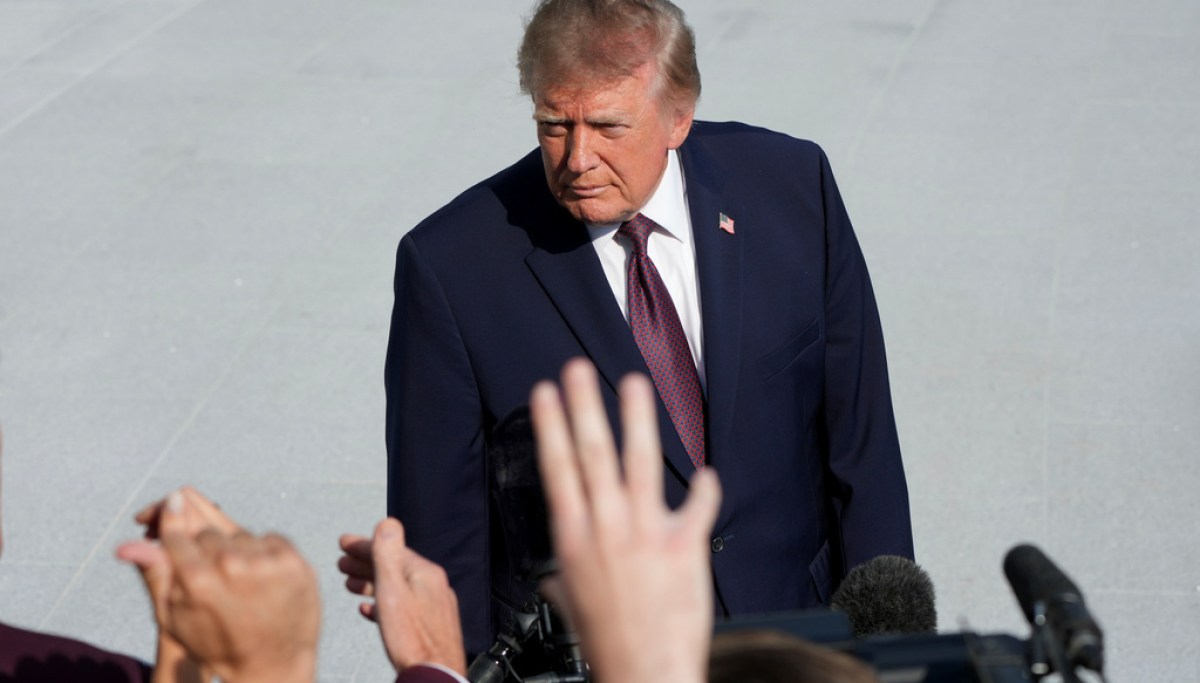
Trump Rallies in Alaska, Ohio to Bolster GOP Senate Candidates
The president rallied in Wasilla for Sen. Dan Sullivan and faced empty seats at an Ohio event amid midterm concerns. Outlets across the spectrum covered the trips as signals of GOP vulnerability weeks before Election Day.
The Compass
You just read five takes on one story.
What's your take? Find your political shape in a few minutes.
Take the test