
Pakistan Brokers US-Iran Talks as Fragile Truce Nears End
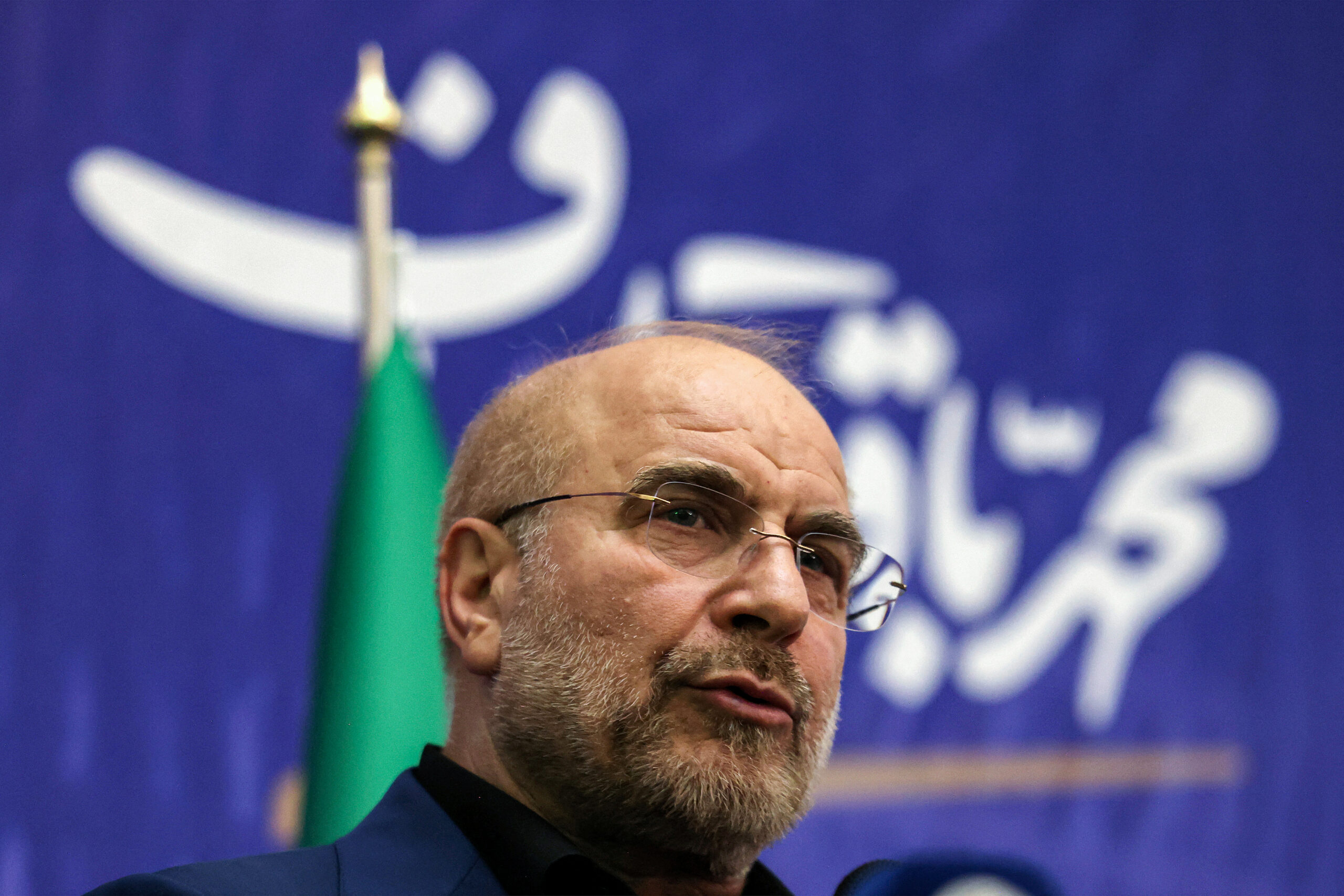
Cover image from theamericanconservative.com, which was analyzed for this article
Fresh from its own conflicts, Pakistan pushes new US-Iran negotiations. Vance met key figures in Islamabad. The effort aims to avert wider war amid blockade.
PoliticalOS
Tuesday, April 14, 2026 — Politics
Pakistan’s geography and relationships have created a narrow channel for U.S.-Iran diplomacy that would not otherwise exist, yet the first round exposed unbridgeable gaps on Iran’s nuclear program. The single most important reality is that the two-week truce is not self-sustaining; without concrete progress in further rounds, blockade pressure and domestic politics on all sides point toward renewed conflict with consequences for oil markets and regional security that will not remain contained. Readers should track whether the Vance-Ghalibaf channel continues or whether rhetorical escalation closes it.
What outlets missed
Both outlets underplayed the specific technical disagreements on uranium enrichment thresholds and sunset clauses that have defined every prior U.S.-Iran nuclear negotiation since 2003. Coverage also minimized the human cost of the preceding 12-Day War, including civilian casualties in Iranian cities and disruptions to international shipping that raised insurance premiums in the Gulf by double digits according to maritime sources. The precise legal basis and operational details of the U.S. naval blockade of Hormuz received almost no attention, leaving unclear how strictly it is enforced and what exceptions exist for Chinese or Indian tankers. Finally, neither piece examined how assassinations attributed to Israel and the U.S. altered Iran's internal power structure, nor did they address Pakistan's history of alleged ties to militant proxies that still color Indian and Afghan skepticism of Islamabad's mediation motives.
Pakistan Emerges as Unlikely Peacemaker After Vance Ghalibaf Talks Collapse in Islamabad
Pakistan has thrust itself into the center of global diplomacy by hosting weekend talks between the United States and Iran that ended without agreement but preserved a fragile two-week ceasefire secured at Islamabad’s urging only days earlier. The discussions marked a remarkable pivot for a country that fought intense conflicts with India and Afghanistan last year yet now finds itself praised as a credible mediator between two longtime adversaries.
Vice President JD Vance led the American side in the marathon sessions while Iran’s delegation was headed by Parliament Speaker Mohammad Bagher Ghalibaf. After the talks concluded Vance told reporters the Iranians had rejected US terms and that the outcome represented “bad news for Iran much more than it’s bad news for the United States.” His tone suggested Washington still believes maximum pressure will eventually force Tehran to capitulate. Yet analysts and diplomats familiar with the process say the opposite conclusion should be drawn: the United States continues to misread both Iran’s political will and the shifting regional dynamics that now favor sustained negotiations over ultimatums.
Ghalibaf is no hard-line ideologue. Long viewed as a pragmatic conservative with deep ties to Iran’s security establishment he has repeatedly signaled openness to serious diplomacy that protects Iranian sovereignty while addressing Western concerns about its nuclear program and regional activities. The very fact that Vance sat across from him in Islamabad rather than exchanging threats through intermediaries or Gulf intermediaries represents a small but notable shift from the Trump administration’s earlier posture. President Trump had set a deadline last week that carried the implicit threat of devastating military action against Iranian cities and infrastructure. That rhetoric was walked back only after Pakistan’s prime minister personally intervened securing the truce within hours.
The speed of Pakistan’s mediation caught many observers by surprise. Fresh from border clashes with India in May and two rounds of fighting with Taliban-led Afghanistan Islamabad had been seen primarily through a security lens. Yet its willingness to deploy both demonstrated military credibility and diplomatic muscle has burnished its image. Pakistani officials quietly point out that power in international politics still rests on the ability to project strength and then pivot to negotiation. By hosting the Americans and Iranians on its soil Islamabad has positioned itself as an indispensable player in an arc of crises stretching from the Persian Gulf to South Asia.
The truce itself remains the most important achievement so far. Both sides still have powerful reasons to avoid full-scale war. Iran’s economy while battered has adapted to years of sanctions and its military has dispersed key assets in anticipation of strikes. The United States meanwhile faces domestic war-weariness and competing global priorities that make another open-ended Middle East conflict deeply unattractive. These realities explain why the talks though unsuccessful did not collapse the ceasefire.
What comes next will test whether Washington can adjust its approach. Real diplomacy rarely produces breakthroughs in a single weekend session. It requires multiple rounds of expert-level meetings patient haggling over technical details and a willingness to accept that neither side will achieve all its maximalist demands. The remaining days of the truce offer a narrow window for the Trump administration to recalibrate. Expecting Iran to simply comply with every American red line is not strategy it is wishful thinking that has failed repeatedly over the past two decades.
Tehran for its part has shown it will not negotiate under direct threat. Ghalibaf’s participation signals that Iran is prepared to engage seriously if the United States demonstrates reciprocal seriousness. This is not weakness on Iran’s part but a recognition that neither country benefits from escalation that could spiral into a regional conflagration drawing in other powers.
Pakistan meanwhile intends to ride the momentum. Senior South Asia analysts describe Islamabad’s emergence as an “unsung success story” of strategic autonomy. After years of being viewed primarily as a problem actor in Afghanistan and a reluctant partner in counterterrorism Pakistan is now actively shaping outcomes in one of the world’s most dangerous flashpoints. Its leaders understand that diplomatic capital accrues to those who can both fight when necessary and broker peace when possible.
The coming week will prove decisive. If the United States doubles down on threats and deadlines the truce may crumble with catastrophic consequences. If instead Washington recognizes that dealing with a pragmatic Iranian leadership through sustained diplomacy offers the best path forward the Islamabad talks could mark the beginning of a genuine process rather than its premature end. For now the ceasefire holds thanks in large measure to a country once dismissed as a regional troublemaker. That irony should not be lost on policymakers in Washington who have spent years lecturing others about stability while pursuing policies that repeatedly undermine it.
You just read Progressive's take. Want to read what actually happened?
More in Politics

Federal Agents Search Omar Home in Ongoing Immigration Probe
Homeland Security agents searched the Minnesota Democrat's DC residence in a criminal probe, prompting accusations of political intimidation from Omar and Democratic leaders. Coverage spans left-leaning outlets like NPR, BBC, and The Guardian alongside right-leaning criticism from The Federalist and Daily Wire.

Trump Diesel Import Plan Draws Pushback Over Russia Ties
The weekend agreement drew bipartisan congressional pushback and criticism from Ukraine's Zelenskyy, with analysts downplaying US fuel price impacts. Right-leaning outlets like National Review, Dispatch, and Washington Examiner questioned its legality and effectiveness.

Independents Test Voter Appetite for Middle Ground in 2026 Midterms
Nearly 200 independents are running in competitive races as voters weigh ballot measures on housing costs in states like Massachusetts. Left-leaning coverage from NYT, NPR, and Guardian highlights turnout and key races while right outlets focus on GOP strategy.

Trump Rallies in Alaska, Ohio to Bolster GOP Senate Candidates
The president rallied in Wasilla for Sen. Dan Sullivan and faced empty seats at an Ohio event amid midterm concerns. Outlets across the spectrum covered the trips as signals of GOP vulnerability weeks before Election Day.
The Compass
You just read five takes on one story.
What's your take? Find your political shape in a few minutes.
Take the test