
Judge Orders Pentagon to Restore Reporter Access Amid Iran War
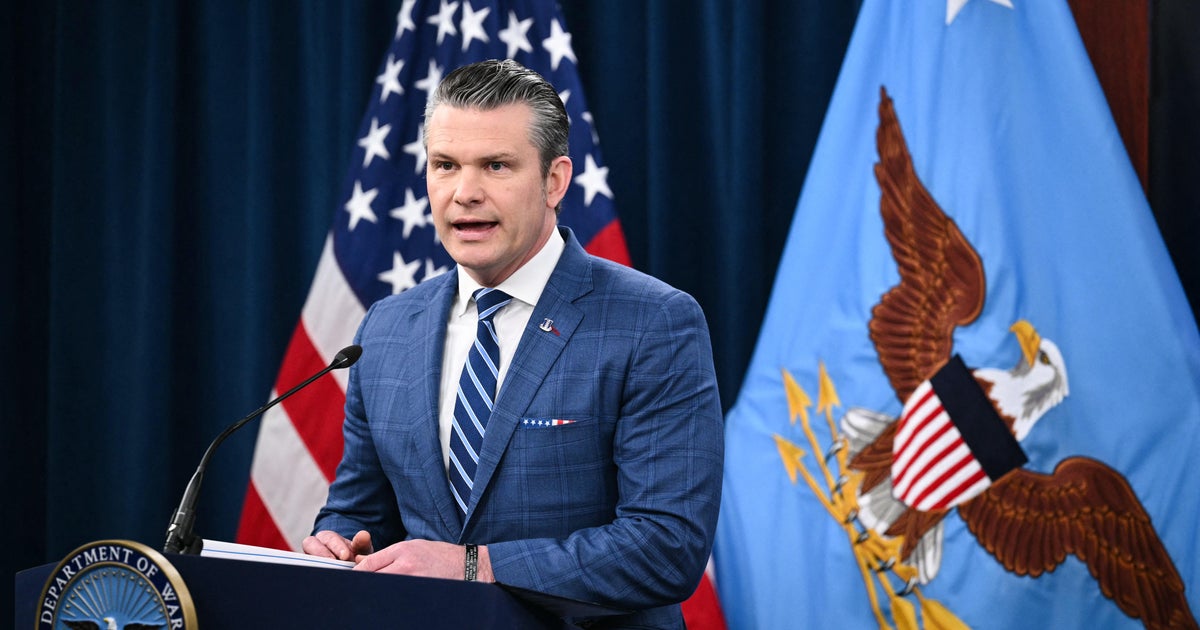
Cover image from cbsnews.com, which was analyzed for this article
A federal judge ruled the Pentagon violated a court order by restricting reporters' access, ordering restoration amid criticism of information control during the Iran conflict. The decision comes as Trump and Defense Secretary Hegseth face scrutiny over war transparency. Pentagon officials must comply to ensure media coverage of operations.
PoliticalOS
Friday, April 10, 2026 — Politics
The single most important reality is that independent access to the Pentagon's inner workings has been partially restored by court order precisely because the United States remains engaged in a high-stakes conflict with Iran whose outcomes are still contested. The Pentagon maintains that tighter rules prevent leaks that endanger operations; the judge ruled those rules went too far in conditioning constitutional rights on compliance. Until appeals conclude, the information Americans receive about military progress, ceasefire fragility and strategic risks will continue to reflect this unresolved tension between security and transparency.
What outlets missed
Most outlets underplayed the specific leaks of classified operational details during early Iran conflict phases that prompted the May 2025 memo, framing the rules instead as pure narrative control. They also omitted that One America News Network signed the agreement and retained full access, undercutting a purely partisan interpretation and showing the policy created a selective rather than total barrier. Few noted that Judge Friedman upheld certain escort requirements for sensitive areas, meaning the ruling was not a blanket rejection of security measures. Coverage largely ignored the shifted composition of the Pentagon press corps, now dominated by compliant conservative outlets, and provided scant detail on the fragile state of the Iran ceasefire, including disputes over Strait of Hormuz tanker traffic and uranium concerns that make transparent reporting especially urgent.
Judge Exposes Pentagon Effort to Control What Americans Learn About Iran Conflict
A federal judge has ruled that the Pentagon under President Trump and Defense Secretary Pete Hegseth is defying a court order by restricting reporters' access in what appears to be a deliberate attempt to shape public perception of the ongoing war with Iran. U.S. District Judge Paul Friedman issued the 20-page opinion Thursday in the case brought by The New York Times, marking the second time in a month he has determined the Defense Department is trampling on First Amendment rights in its effort to limit independent journalism at the heart of America's military headquarters.
The dispute centers on a policy rolled out last October that treated routine journalistic questioning as a potential crime. Pentagon officials equated reporters asking questions of anyone other than an approved government spokesman with illegally soliciting state secrets. Those who refused to sign onto this restriction had their credentials pulled and were barred from the building except for tightly controlled briefings. The judge saw through it immediately. In his March ruling, Friedman declared the policy an unconstitutional infringement on press freedom and ordered the reinstatement of credentials for seven New York Times reporters along with comparable access for others.
Rather than comply in good faith, the Pentagon responded with what the judge described as a cosmetic rewrite. The new rules still severely limited reporters, requiring constant escorts by Defense personnel and pushing their workspaces outside the building itself. Friedman was not impressed. "The department simply cannot reinstate an unlawful policy under the guise of taking 'new' action and expect the court to look the other way," he wrote. He emphasized that by continuing to block reporters from engaging in "routine, lawful journalistic activity of asking questions," Pentagon officials remain in violation of his earlier directive.
What makes this case revealing is the judge's blunt assessment of the real motivation. This is not primarily about building security or protecting classified information, Friedman concluded. It is about Secretary Hegseth's desire "to dictate the information received by the American people, to control the message so that the public hears and sees only what the Secretary and the Trump Administration want." The ruling lands at a moment when both Trump and Hegseth have visibly bristled at any coverage that questions the direction or success of the Iran campaign. Questions about costs, strategy, and results have been met with accusations of undermining the troops or siding with America's enemies. The pattern fits a familiar Washington instinct: when the narrative slips, tighten the controls on who gets to report from inside the machine.
This should concern anyone who values the public's right to know what is being done in their name with their tax dollars and in the name of their military. The Pentagon is not some private press office for the administration. It is the nerve center for operations that can send young Americans into combat, expend billions in equipment, and reshape American foreign policy for a generation. When officials equate basic reporting with disloyalty, they reveal contempt for the constitutional order that exists precisely to prevent government from monopolizing the truth.
The Pentagon's chief spokesman, Sean Parnell, pushed back predictably. He insisted the department has "at all times" complied with the court's orders, reinstated credentials, and issued a revised policy that addressed every concern. Parnell said the Pentagon remains committed to press access while protecting the security of the building. The department plans to appeal. These statements echo the standard bureaucratic response whenever courts push back against executive overreach. Compliance is claimed even as the practical effect continues to be restricted information flow.
The episode exposes deeper tensions in the current administration. Trump campaigned on ending forever wars and resisting the permanent bureaucracy's endless hunger for conflict. Yet here we are in 2026 with American forces engaged in Iran and the Pentagon appearing to mimic the very information-control tactics Tucker Carlson and others have long warned against from both parties. Hegseth, a combat veteran and outspoken critic of woke military culture, now finds himself in the uncomfortable position of defending rules that treat independent journalists as threats. The judge's opinion suggests those rules have less to do with operational security than with punishing reporters who refuse to echo the preferred storyline about how smoothly the war is proceeding.
Multiple news organizations, including CBS News, had already pulled their reporters from the Pentagon rather than submit to the original restrictions. The building, which serves as the headquarters for U.S. military decision-making, became increasingly off-limits to any coverage that might deviate from official talking points. That is not how a healthy republic functions. The First Amendment exists to protect uncomfortable questions, not to shield administrations from scrutiny when wars drag on or outcomes appear less than advertised.
Friedman made clear the Constitution demands better. His order requires the Pentagon to restore access "commensurate" with what the Times reporters previously enjoyed, meaning real freedom to move through the building and speak with sources without minders hovering at every step. Whether the administration will finally accept these limits or continue dragging the matter through appeals remains to be seen.
At stake is something larger than press badges or office space. It is whether Americans will receive an accurate picture of a war being waged in their name or only the version carefully curated by those directing it. The judge has drawn a line. The Pentagon's instinct to control the story, especially amid evident irritation at criticism of the Iran campaign, suggests parts of this administration have absorbed the worst habits of the national security state it once promised to reform. The public deserves to know what is truly happening, not just what officials decide they should hear.
You just read America First's take. Want to read what actually happened?