
Judge Orders Pentagon to Restore Reporter Access Amid Iran War
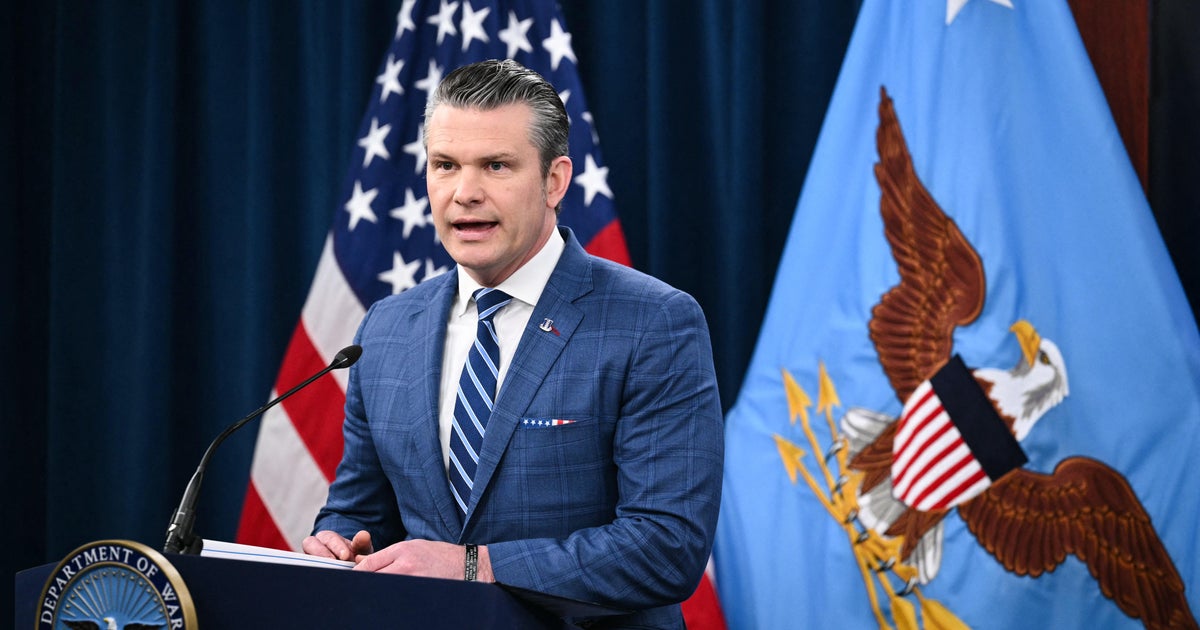
Cover image from cbsnews.com, which was analyzed for this article
A federal judge ruled the Pentagon violated a court order by restricting reporters' access, ordering restoration amid criticism of information control during the Iran conflict. The decision comes as Trump and Defense Secretary Hegseth face scrutiny over war transparency. Pentagon officials must comply to ensure media coverage of operations.
PoliticalOS
Friday, April 10, 2026 — Politics
The single most important reality is that independent access to the Pentagon's inner workings has been partially restored by court order precisely because the United States remains engaged in a high-stakes conflict with Iran whose outcomes are still contested. The Pentagon maintains that tighter rules prevent leaks that endanger operations; the judge ruled those rules went too far in conditioning constitutional rights on compliance. Until appeals conclude, the information Americans receive about military progress, ceasefire fragility and strategic risks will continue to reflect this unresolved tension between security and transparency.
What outlets missed
Most outlets underplayed the specific leaks of classified operational details during early Iran conflict phases that prompted the May 2025 memo, framing the rules instead as pure narrative control. They also omitted that One America News Network signed the agreement and retained full access, undercutting a purely partisan interpretation and showing the policy created a selective rather than total barrier. Few noted that Judge Friedman upheld certain escort requirements for sensitive areas, meaning the ruling was not a blanket rejection of security measures. Coverage largely ignored the shifted composition of the Pentagon press corps, now dominated by compliant conservative outlets, and provided scant detail on the fragile state of the Iran ceasefire, including disputes over Strait of Hormuz tanker traffic and uranium concerns that make transparent reporting especially urgent.
Federal Judge Finds Pentagon Attempting to Control Information Flow on Iran War
A federal judge has ruled for the second time in a month that the Pentagon is violating court orders by restricting journalists' access to the building, a decision that underscores deep tensions between the Trump administration and the press over coverage of the ongoing war with Iran. U.S. District Judge Paul Friedman determined Thursday that Defense Secretary Pete Hegseth's department had failed to comply with his March directive to restore credentials to reporters from The New York Times and other outlets, instead instituting revised rules that continue to limit routine journalistic activities.
The case, New York Times v. Department of Defense, began after the Pentagon imposed a policy last year requiring journalists with long-standing building credentials to sign forms acknowledging that their access could be revoked for soliciting what the department deemed "unauthorized information." Most reporters, viewing the language as an effective ban on speaking with anyone other than authorized spokespeople, surrendered their credentials rather than agree to terms they believed infringed on basic reporting practices. Friedman struck down that policy in March, calling it a violation of the First Amendment's guarantee of a free press. He ordered the reinstatement of credentials for seven Times reporters and made clear the ruling applied broadly.
Instead of fully complying, the Pentagon responded with what it described as a revised policy. It moved reporters' office space outside the building and required that credentialed journalists be escorted at all times while inside. The department also maintained restrictions on unapproved conversations. Friedman rejected this approach in a 20-page opinion, writing that "the department simply cannot reinstate an unlawful policy under the guise of taking 'new' action and expect the court to look the other way." He ordered the Pentagon to restore access "commensurate" with what reporters previously enjoyed, emphasizing that questioning officials and gathering information independently are core functions of journalism, not threats to national security.
The judge's language went further, suggesting the restrictions were not merely bureaucratic overreach but part of a deliberate effort to shape public understanding of the Iran conflict. "What this case is really about is the attempt by the Secretary of Defense to dictate the information received by the American people, to control the message so that the public hears and sees only what the Secretary and the Trump Administration want," Friedman wrote. The ruling arrives as the administration has grown openly frustrated with reporting that questions the war's progress, its strategic goals, or its human and financial costs. Both President Trump and Hegseth have publicly bristled at coverage they characterize as unpatriotic or designed to undermine military morale.
This is not an abstract dispute over building badges. The Pentagon serves as the nerve center for U.S. military operations, including those in the Iran war. Reporters with regular access can observe briefings, develop relationships with mid-level officials, and contextualize the often sanitized statements that come from official spokespeople. Without that access, coverage risks becoming overly dependent on carefully managed information, a dynamic that has historically contributed to flawed wartime decision-making. The judge appeared attuned to that danger, noting that the Constitution demands better than an executive branch deciding which questions are permissible.
Defense Department spokesperson Sean Parnell pushed back sharply. In a statement, he said the department "disagrees with the Court's ruling and intends to appeal." Parnell insisted officials had complied by reinstating credentials and issuing what he called a "materially revised policy that addressed every concern" raised by the judge. He added that the Pentagon remains "committed to press access at the Pentagon while fulfilling its statutory obligation to ensure the safe and secure operation of the Pentagon Reservation."
The Times' attorney, Theodore Boutrous, welcomed the decision as a necessary defense of constitutional principles. The newspaper had argued that the restrictions not only chilled speech but also deprived the public of independent reporting at a moment when transparency about military operations is especially critical. Other news organizations, including CBS News, had also pulled reporters from the building after the original policy took effect, suggesting the impact extended well beyond any single outlet.
The episode fits a broader pattern in the current administration of testing institutional boundaries. From efforts to reshape intelligence assessments to public criticisms of judges who issue unfavorable rulings, the Trump White House has shown impatience with checks on its authority. Hegseth, a former Fox News host with limited traditional government experience, has framed much of the pushback he receives as politically motivated rather than substantive. Yet the First Amendment questions at the heart of this case are not easily dismissed as partisan. Federal courts have long recognized that press access to government operations serves a vital public function, particularly when lives and national treasure are at stake.
Friedman's repeated interventions signal judicial skepticism that the Pentagon's security concerns justify blanket limitations on reporting. The department has not produced evidence, according to court filings, that routine journalistic inquiries have compromised classified information. Instead, the restrictions appear aimed at managing the narrative around a war that has drawn increasing scrutiny for its scope, duration, and results.
As the Pentagon prepares its appeal, the practical effect of Thursday's order is that reporters should regain meaningful access to the building without constant escorts or prohibitions on normal conversations. Whether the department will comply fully this time, or seek further workarounds, will test both its respect for judicial authority and its tolerance for the kind of independent scrutiny that democracies require. The Constitution, as Friedman noted, demands better than government officials deciding in advance which information the public should receive. In wartime, that demand becomes even more urgent. The outcome of this legal battle will help determine whether Americans get a clear picture of the conflict being waged in their name, or only the version the administration prefers them to see.
You just read Liberal's take. Want to read what actually happened?