
Pope Leo XIV Condemns Iran War, Citing Catholic Peace Imperative
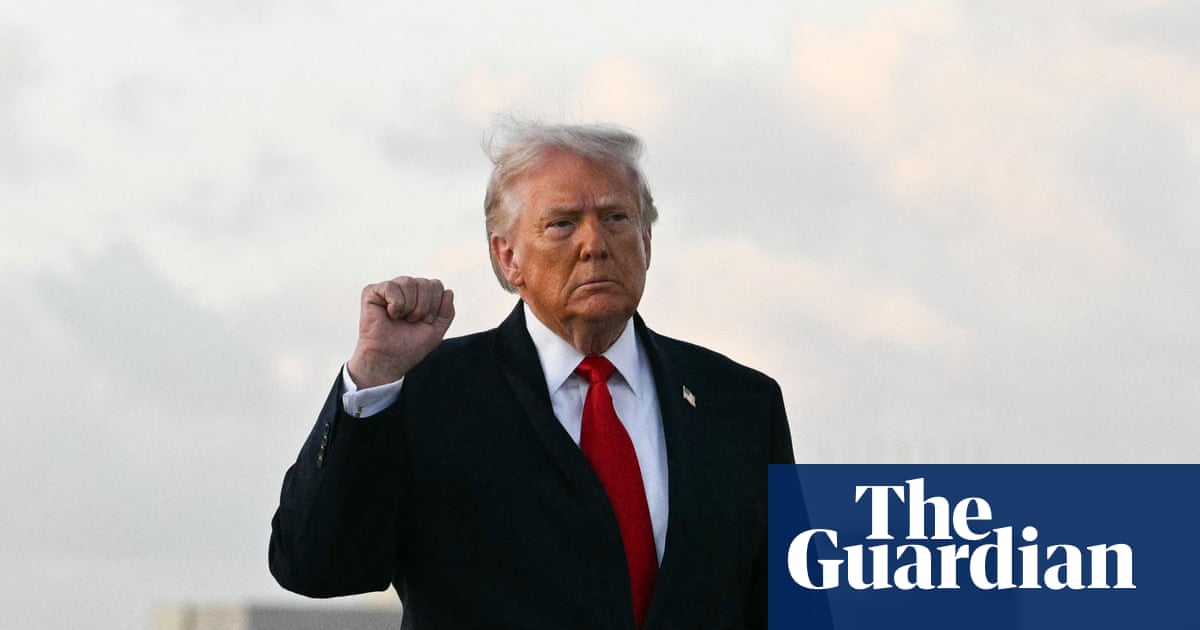
Cover image from theguardian.com, which was analyzed for this article
Pope Leo XIV issues sharp rebuke against the US-involved Iran war, urging an end to hostilities. Seen as implicit criticism of Trump administration. Coverage emphasizes the moral stance transcends politics.
PoliticalOS
Sunday, April 12, 2026 — Politics
Pope Leo XIV's intervention reiterates a consistent Catholic teaching that peace requires more than battlefield victory and that even defensive wars must meet narrow moral criteria modern weapons often violate. The brief conflict, its ceasefire and the papal critique together underscore that military success against a repressive regime does not automatically confer moral legitimacy. Readers should weigh both Iran's documented aggressions and the human and strategic costs before accepting any side's claim of clean hands.
What outlets missed
Most coverage omitted Iran's brutal suppression of nationwide protests from December 2025 to January 2026, which killed hundreds and helped trigger the collapse of nuclear talks that preceded the strikes. Outlets also underplayed the precise mechanics and fragility of the Pakistan-brokered ceasefire, including Iran's retention of significant missile capacity and the partial reopening of the Strait of Hormuz under monitored conditions. Few noted Leo XIV's status as the first U.S.-born pope adds a layer of domestic political complexity that neither the Vatican nor the White House has publicly addressed. Casualty figures remained vague across reporting; U.S. Central Command confirmed 13 American deaths while Iranian and regional sources claim more than 2,000 civilian and military losses, numbers independently verified only in fragments by the UN Human Rights Office.
Pope Leo Warns of Immoral War as American Lives Are Lost in Iran
Pope Leo XIV has issued a pointed critique of the United States and Israel’s military campaign against Iran, grounding his opposition in centuries-old Catholic teaching rather than partisan politics. The pontiff’s intervention comes as the conflict, now temporarily paused, has already claimed the lives of 13 American servicemen with no formal approval from Congress and no clearly articulated end goal from the White House.
This is not some novel liberal crusade from the Vatican. As analysts at The Dispatch have noted, Leo is simply applying just war theory, the same moral framework previous popes have used to scrutinize conflicts from Vietnam to Iraq. That doctrine insists war must be a last resort, waged by legitimate authority, with reasonable prospect of success and without causing evils greater than those it seeks to prevent. In plain English, it demands that leaders explain why young Americans should die on distant battlefields. Those questions have gone largely unanswered in the frenzied rush toward confrontation with Tehran.
The timing of the pope’s remarks is impossible to ignore. Just days after Vice President JD Vance left Pakistan following the collapse of nuclear negotiations with Iran, the human cost of this adventure is becoming impossible to wave away. Vance himself described the failure as “bad news for Iran much more than it’s bad news for the United States.” Tell that to the families of the dead servicemen. While Washington celebrates its tough stance, ordinary Americans are left wondering what vital national interest justified sending their sons into harm’s way against a regime that, however barbaric, had not directly attacked the American homeland.
President Trump’s own rhetoric has only deepened the unease. The same leader who campaigned on ending forever wars has toggled between bellicose threats and cryptic signals, at one point declaring on April 7 that “a whole civilization will die tonight.” Even outlets normally sympathetic to the administration, such as National Review, have noted the erratic tone. The president’s habit of chest-thumping while body counts rise and Congress is sidelined has left observers across the spectrum unsettled. This is not steady leadership at a dangerous moment. It is the familiar pattern of bluster substituting for strategy.
The war itself fits a troubling template. Iran serves as a proxy for Beijing and Moscow, a fact the administration correctly highlights. Yet that reality does not automatically obligate the United States to launch major military operations without public debate or constitutional process. For decades, Washington has treated the Middle East as an endless proving ground for ideological crusades, draining blood and treasure while China builds its economy and its military. An America First approach would ask whether another open-ended conflict serves the people who pay the taxes and send their children to fight, or whether it primarily benefits defense contractors, foreign lobbies, and the permanent national security bureaucracy.
The breakdown in Pakistan is particularly revealing. Despite multiple conversations between Vance and the president, the two sides could not bridge differences over Iran’s nuclear program. Tehran’s pursuit of atomic weapons is a legitimate concern. So is the regime’s sponsorship of terrorism and its grotesque human rights record. But conservative skepticism of intelligence assessments and regime-change wars is well-earned after two decades of disappointments. The same voices who assured us Iraq would be a cakewalk and that Afghanistan would become a stable democracy now demand we trust them on Iran. History suggests caution.
Meanwhile, domestic developments under the current administration add to the sense that accountability is in short supply. Trump has already issued pardons to more than 1,800 people, including unconditional clemency for 1,500 participants in the January 6 Capitol events. Reports suggest even broader mass pardons may be in the works, including jests about protecting those who come within 200 feet of the Oval Office. The president’s pardon power is indeed broad, but the casual atmosphere surrounding its use projects impunity at the exact moment American service members are dying overseas in an undeclared war.
Pope Leo’s comments should not be dismissed as meddling by a foreign cleric. They represent a consistent moral tradition that transcends left-right divides. When popes criticized past American wars, certain conservatives bristled. When they highlight the current one, the same instinct appears. Yet the principles at stake have nothing to do with electoral politics. They have everything to do with whether a nation that calls itself Christian can justify sending its young men to kill and die without exhausting every alternative and without a realistic plan for a better outcome.
The United States possesses the most powerful military in human history. That power demands restraint, not recklessness. Thirteen dead Americans deserve more than slogans. They deserve a honest accounting of why their lives were required. As peace talks lie in ruins and the war remains in a precarious pause, Leo XIV has reminded the West that true strength includes the wisdom to question whether a fight is just before more names are added to the wall. Americans of all faiths should listen.
You just read America First's take. Want to read what actually happened?
More in Politics

Federal Agents Search Omar Home in Ongoing Immigration Probe
Homeland Security agents searched the Minnesota Democrat's DC residence in a criminal probe, prompting accusations of political intimidation from Omar and Democratic leaders. Coverage spans left-leaning outlets like NPR, BBC, and The Guardian alongside right-leaning criticism from The Federalist and Daily Wire.

Trump Diesel Import Plan Draws Pushback Over Russia Ties
The weekend agreement drew bipartisan congressional pushback and criticism from Ukraine's Zelenskyy, with analysts downplaying US fuel price impacts. Right-leaning outlets like National Review, Dispatch, and Washington Examiner questioned its legality and effectiveness.

Independents Test Voter Appetite for Middle Ground in 2026 Midterms
Nearly 200 independents are running in competitive races as voters weigh ballot measures on housing costs in states like Massachusetts. Left-leaning coverage from NYT, NPR, and Guardian highlights turnout and key races while right outlets focus on GOP strategy.
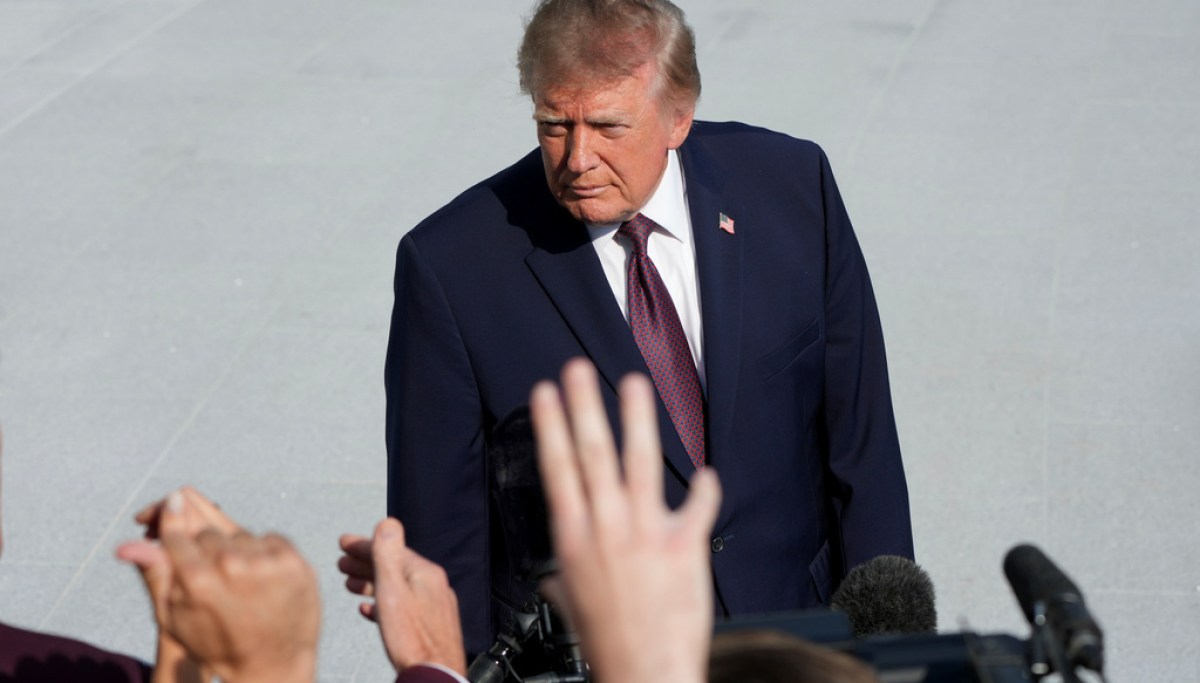
Trump Rallies in Alaska, Ohio to Bolster GOP Senate Candidates
The president rallied in Wasilla for Sen. Dan Sullivan and faced empty seats at an Ohio event amid midterm concerns. Outlets across the spectrum covered the trips as signals of GOP vulnerability weeks before Election Day.
The Compass
You just read five takes on one story.
What's your take? Find your political shape in a few minutes.
Take the test