
Pope Leo XIV Condemns Iran War, Citing Catholic Peace Imperative
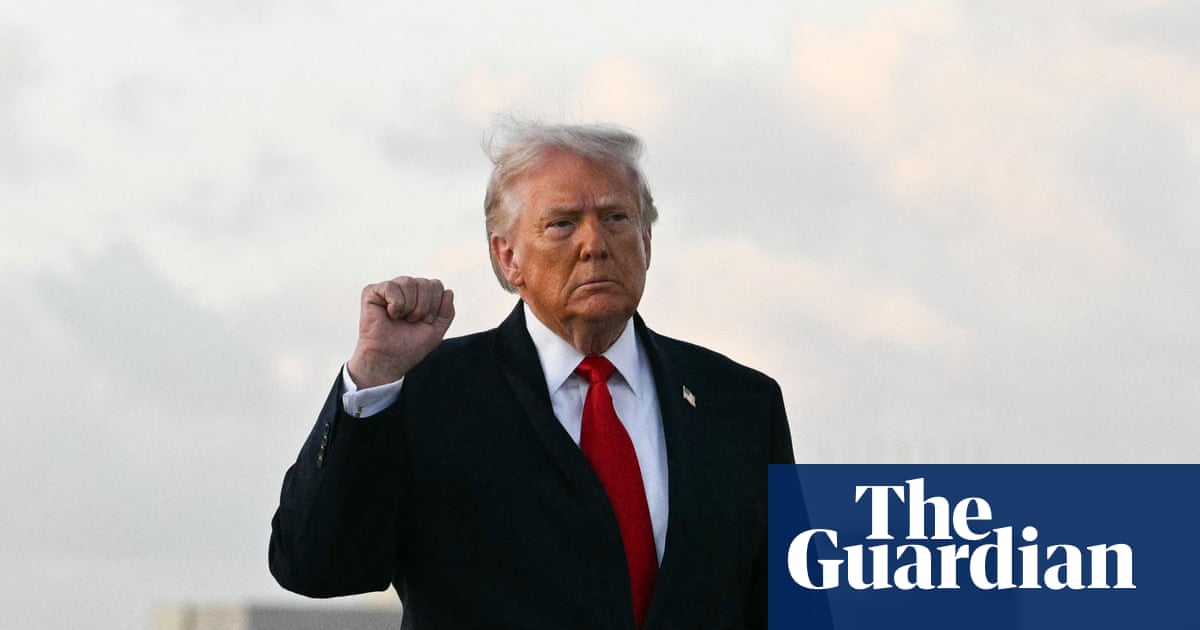
Cover image from theguardian.com, which was analyzed for this article
Pope Leo XIV issues sharp rebuke against the US-involved Iran war, urging an end to hostilities. Seen as implicit criticism of Trump administration. Coverage emphasizes the moral stance transcends politics.
PoliticalOS
Sunday, April 12, 2026 — Politics
Pope Leo XIV's intervention reiterates a consistent Catholic teaching that peace requires more than battlefield victory and that even defensive wars must meet narrow moral criteria modern weapons often violate. The brief conflict, its ceasefire and the papal critique together underscore that military success against a repressive regime does not automatically confer moral legitimacy. Readers should weigh both Iran's documented aggressions and the human and strategic costs before accepting any side's claim of clean hands.
What outlets missed
Most coverage omitted Iran's brutal suppression of nationwide protests from December 2025 to January 2026, which killed hundreds and helped trigger the collapse of nuclear talks that preceded the strikes. Outlets also underplayed the precise mechanics and fragility of the Pakistan-brokered ceasefire, including Iran's retention of significant missile capacity and the partial reopening of the Strait of Hormuz under monitored conditions. Few noted Leo XIV's status as the first U.S.-born pope adds a layer of domestic political complexity that neither the Vatican nor the White House has publicly addressed. Casualty figures remained vague across reporting; U.S. Central Command confirmed 13 American deaths while Iranian and regional sources claim more than 2,000 civilian and military losses, numbers independently verified only in fragments by the UN Human Rights Office.
Pope Leo XIV Challenges Moral Foundation of US Iran Campaign
Pope Leo XIV has entered the debate over the United States and Israel’s military campaign against Iran with a series of statements rooted in long-standing Catholic teaching on just war doctrine, a move that has further strained relations between the Vatican and the Trump administration. The pontiff’s intervention comes as the conflict, which has already claimed the lives of 13 American service members, sits in an uneasy pause following the collapse of high-level peace talks in Pakistan. Vice President JD Vance departed Islamabad last week after declaring that negotiations with Iranian officials had failed, primarily over Tehran’s insistence on continuing its nuclear program.
The Vatican’s position is not framed as a partisan attack on the American president, according to analysts familiar with Catholic social thought. Instead, it reflects a consistent application of criteria developed over centuries that ask whether a war is waged by legitimate authority, whether it has a reasonable chance of success, and whether the harm inflicted is proportionate to the good expected. Pope Leo has emphasized that the current campaign, launched without congressional authorization and accompanied by expansive rhetoric from the president, struggles to meet those thresholds. This marks the latest chapter in a sometimes tense relationship between the Trump White House and the Holy See, but one grounded more in doctrinal clarity than electoral politics.
The military operation began as a surprise escalation, with American and Israeli strikes aimed at disrupting Iran’s nuclear infrastructure and its network of proxy forces. Supporters argue the action was necessary to prevent a nuclear-armed theocracy that functions as an outpost for Chinese and Russian influence. Yet the absence of a formal congressional debate has drawn criticism from constitutional scholars who see it as another expansion of executive war-making power. President Trump has alternated between bellicose declarations, including a warning that “a whole civilization will die tonight,” and suggestions that the fighting could end quickly if Iran capitulates. That rhetorical volatility has left both allies and adversaries uncertain about American objectives.
The human cost is no longer abstract. The deaths of American troops have brought the conflict home, prompting questions about mission clarity and exit strategy. At the same time, the administration’s domestic priorities have raised parallel concerns about the rule of law. Trump has already issued unconditional pardons to roughly 1,500 participants in the January 6, 2021, Capitol attack. According to reports, he has privately signaled plans for additional mass clemency at the end of his term, telling advisers he might pardon “everyone who has come within 200 feet of the Oval Office.” White House officials have dismissed the remark as a joke, yet the pattern fits a broader picture of using institutional tools to shield political allies.
These developments occur against a backdrop of deep public polarization. Some conservative commentators have accused the news media of overreacting to Trump’s language, suggesting that journalists are once again positioning themselves as the central characters in the story. Yet much of the press response, a mixture of confusion and alarm, appears proportionate to the stakes. When a president speaks of civilizational destruction while American service members are dying in an unauthorized conflict, institutional guardrails matter. The press is performing its traditional role of asking whether the rhetoric matches the gravity of the decisions being made.
Catholic leaders have walked this line before. Previous popes have critiqued American military actions in Iraq, Afghanistan, and elsewhere, often citing the same just war principles. What distinguishes the current moment is the explicit linkage Pope Leo has drawn between the lack of congressional involvement and the moral legitimacy of the campaign. By insisting the critique is doctrinal rather than political, the Vatican is attempting to elevate the conversation above the partisan fray that dominates American discourse.
That effort faces steep odds. The president’s supporters view the Iran operation as a necessary corrective to years of perceived weakness in American foreign policy. They see papal commentary as naive or actively hostile. Meanwhile, critics on the left and within institutional circles worry that the conflict, combined with expansive use of the pardon power, reflects a deeper erosion of norms that constrain executive authority. The failure of the Pakistan talks only heightens the tension. Vance reported speaking with Trump repeatedly during the negotiations, yet the two sides could not bridge differences on enrichment and weaponization.
For now, the fighting has paused, but few expect the underlying threats to dissipate. Iran’s nuclear ambitions remain, as do its alliances with Moscow and Beijing. The United States finds itself in a familiar but precarious position: engaged in a conflict whose scope and duration remain undefined by the legislative branch that the Constitution assigns primary responsibility for declaring war.
The pope’s statements will not alter the military balance. Their significance lies instead in the reminder that questions of proportionality, legitimate authority, and reasonable hope of success are not abstract theological concerns. They are practical measures for evaluating whether a nation’s use of force serves justice or merely compounds tragedy. In a political environment where rhetoric often outpaces reflection, that distinction retains its relevance even when it proves inconvenient to those in power.
You just read Liberal's take. Want to read what actually happened?
More in Politics

Federal Agents Search Omar Home in Ongoing Immigration Probe
Homeland Security agents searched the Minnesota Democrat's DC residence in a criminal probe, prompting accusations of political intimidation from Omar and Democratic leaders. Coverage spans left-leaning outlets like NPR, BBC, and The Guardian alongside right-leaning criticism from The Federalist and Daily Wire.

Trump Diesel Import Plan Draws Pushback Over Russia Ties
The weekend agreement drew bipartisan congressional pushback and criticism from Ukraine's Zelenskyy, with analysts downplaying US fuel price impacts. Right-leaning outlets like National Review, Dispatch, and Washington Examiner questioned its legality and effectiveness.

Independents Test Voter Appetite for Middle Ground in 2026 Midterms
Nearly 200 independents are running in competitive races as voters weigh ballot measures on housing costs in states like Massachusetts. Left-leaning coverage from NYT, NPR, and Guardian highlights turnout and key races while right outlets focus on GOP strategy.

Trump Rallies in Alaska, Ohio to Bolster GOP Senate Candidates
The president rallied in Wasilla for Sen. Dan Sullivan and faced empty seats at an Ohio event amid midterm concerns. Outlets across the spectrum covered the trips as signals of GOP vulnerability weeks before Election Day.
The Compass
You just read five takes on one story.
What's your take? Find your political shape in a few minutes.
Take the test