
Pope Leo XIV Condemns Iran War, Citing Catholic Peace Imperative
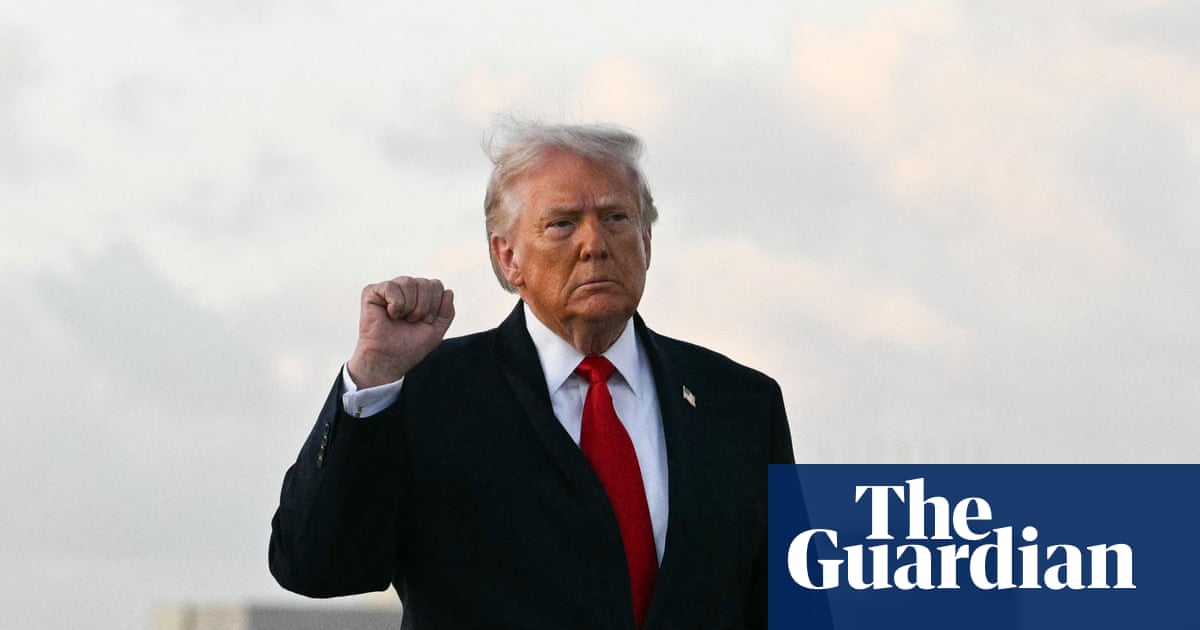
Cover image from theguardian.com, which was analyzed for this article
Pope Leo XIV issues sharp rebuke against the US-involved Iran war, urging an end to hostilities. Seen as implicit criticism of Trump administration. Coverage emphasizes the moral stance transcends politics.
PoliticalOS
Sunday, April 12, 2026 — Politics
Pope Leo XIV's intervention reiterates a consistent Catholic teaching that peace requires more than battlefield victory and that even defensive wars must meet narrow moral criteria modern weapons often violate. The brief conflict, its ceasefire and the papal critique together underscore that military success against a repressive regime does not automatically confer moral legitimacy. Readers should weigh both Iran's documented aggressions and the human and strategic costs before accepting any side's claim of clean hands.
What outlets missed
Most coverage omitted Iran's brutal suppression of nationwide protests from December 2025 to January 2026, which killed hundreds and helped trigger the collapse of nuclear talks that preceded the strikes. Outlets also underplayed the precise mechanics and fragility of the Pakistan-brokered ceasefire, including Iran's retention of significant missile capacity and the partial reopening of the Strait of Hormuz under monitored conditions. Few noted Leo XIV's status as the first U.S.-born pope adds a layer of domestic political complexity that neither the Vatican nor the White House has publicly addressed. Casualty figures remained vague across reporting; U.S. Central Command confirmed 13 American deaths while Iranian and regional sources claim more than 2,000 civilian and military losses, numbers independently verified only in fragments by the UN Human Rights Office.
Pope Questions Moral Basis of Trump Iran War After Failed Diplomacy
Pope Leo XIV has issued a pointed critique of the US and Israeli military campaign against Iran, framing it as incompatible with core Catholic teachings on the justified use of force and straining relations with the Trump administration at a moment of stalled diplomacy and rising American casualties.
The pontiff’s intervention, rooted explicitly in just war theory, comes as Vice President JD Vance departed Pakistan this week after high-stakes talks with Iranian officials collapsed. The primary impasse, Vance told reporters, centered on Tehran’s nuclear program. “The bad news is that we have not reached an agreement, and I think that’s bad news for Iran much more than it’s bad news for the United States of America,” he said before boarding Air Force Two. The failure leaves a fragile pause in hostilities that have already cost the lives of 13 American service members and raised urgent questions about congressional authorization, strategic objectives and the human toll.
At the Vatican, officials describe the Pope’s statements as an assertion of long-standing Catholic doctrine rather than partisan commentary. Just war theory, developed over centuries by thinkers such as Augustine and Aquinas, demands that conflicts be waged only as a last resort, with proper authority, reasonable prospect of success, and discrimination between combatants and civilians. Informed observers say Pope Leo believes the current campaign falls short on several of those tests. His position echoes earlier papal critiques of American-led wars in the Middle East, from John Paul II’s opposition to the 2003 Iraq invasion to Francis’s repeated calls for restraint in Syria and Yemen. Each time, Washington has bristled at what it views as ecclesiastical meddling.
Yet dismissing the current Pope’s words as political theater misses the deeper theological foundation, according to analysts across the ideological spectrum. Even conservative Catholic voices have noted that Leo XIV is simply applying criteria that predate modern nation-states. The tension with the Trump White House nevertheless highlights a widening rift between an administration comfortable with muscular rhetoric and a global religious institution wary of escalation that could engulf the region.
That rhetoric has itself become a focal point. President Trump has veered between bellicose threats and ambiguous signals, leaving both allies and adversaries uncertain of American intentions. On April 7 he declared that “a whole civilization will die tonight,” language interpreted by many as a direct threat to the Iranian regime. The apocalyptic tone, delivered amid an unauthorized conflict and a rising body count, has unsettled even some traditional supporters of strong defense policy. National Review, no bastion of anti-interventionism, published a sharp assessment arguing that the president’s “cryptic” and “semi-coherent bluster” is the real story, not media coverage of it. “If ever there was a time for a steady hand at the tiller, this is it,” the magazine wrote. “Unfortunately, we don’t have a steady hand.”
The domestic backdrop compounds the unease. At the start of his second term Trump issued unconditional pardons to 1,500 participants in the January 6, 2021, Capitol attack. More recently he has spoken casually about extending clemency to advisers and even those who merely came “within 200 feet of the Oval Office,” according to the Wall Street Journal. White House press secretary Karoline Leavitt dismissed reports of sweeping end-of-term pardons as a joke, while insisting the president’s pardon power is absolute. The combination of martial bombast abroad and expansive use of clemency at home has fueled criticism that accountability is eroding at both ends of Pennsylvania Avenue.
Iran, long a proxy actor for China and Russia, presents genuine security concerns. Its nuclear ambitions, support for regional militias, and theocratic governance are not in dispute. Yet the abrupt resort to military force without congressional debate, followed by aborted talks in Pakistan, suggests a strategy driven more by impulse than careful calibration. The 13 American deaths already recorded underscore the stakes. Families mourning those losses may reasonably ask what definable victory looks like and whether the Vatican’s moral reservations reflect a wider ethical failure in how this conflict was conceived and sold.
Pope Leo’s willingness to speak carries risk for the Church’s relations with Washington, but it also fills a vacuum. In the absence of sustained public congressional scrutiny or a coherent presidential explanation of war aims, religious leaders are stepping into the role of ethical conscience. History shows that such voices are often ignored in the heat of conflict only to be vindicated when the dust settles. Whether the current administration will heed the latest papal warning, or simply dismiss it as naïve interference, may determine if the pause in Iran becomes an off-ramp or merely an intermission before wider violence.
As the administration weighs its next move, the moral architecture provided by just war principles offers a yardstick rarely cited in national security briefings. The Pope has reminded the world that not every threat justifies the unleashing of hellfire, and that civilization, once shattered, is not easily rebuilt. In that sober assessment lies a challenge not only to the White House but to all who have normalized the language of civilizational destruction.
You just read Progressive's take. Want to read what actually happened?
More in Politics

Federal Agents Search Omar Home in Ongoing Immigration Probe
Homeland Security agents searched the Minnesota Democrat's DC residence in a criminal probe, prompting accusations of political intimidation from Omar and Democratic leaders. Coverage spans left-leaning outlets like NPR, BBC, and The Guardian alongside right-leaning criticism from The Federalist and Daily Wire.

Trump Diesel Import Plan Draws Pushback Over Russia Ties
The weekend agreement drew bipartisan congressional pushback and criticism from Ukraine's Zelenskyy, with analysts downplaying US fuel price impacts. Right-leaning outlets like National Review, Dispatch, and Washington Examiner questioned its legality and effectiveness.

Independents Test Voter Appetite for Middle Ground in 2026 Midterms
Nearly 200 independents are running in competitive races as voters weigh ballot measures on housing costs in states like Massachusetts. Left-leaning coverage from NYT, NPR, and Guardian highlights turnout and key races while right outlets focus on GOP strategy.

Trump Rallies in Alaska, Ohio to Bolster GOP Senate Candidates
The president rallied in Wasilla for Sen. Dan Sullivan and faced empty seats at an Ohio event amid midterm concerns. Outlets across the spectrum covered the trips as signals of GOP vulnerability weeks before Election Day.
The Compass
You just read five takes on one story.
What's your take? Find your political shape in a few minutes.
Take the test