
Powell Exits Fed as Warsh Takes Over Amid Debt and Independence Strains
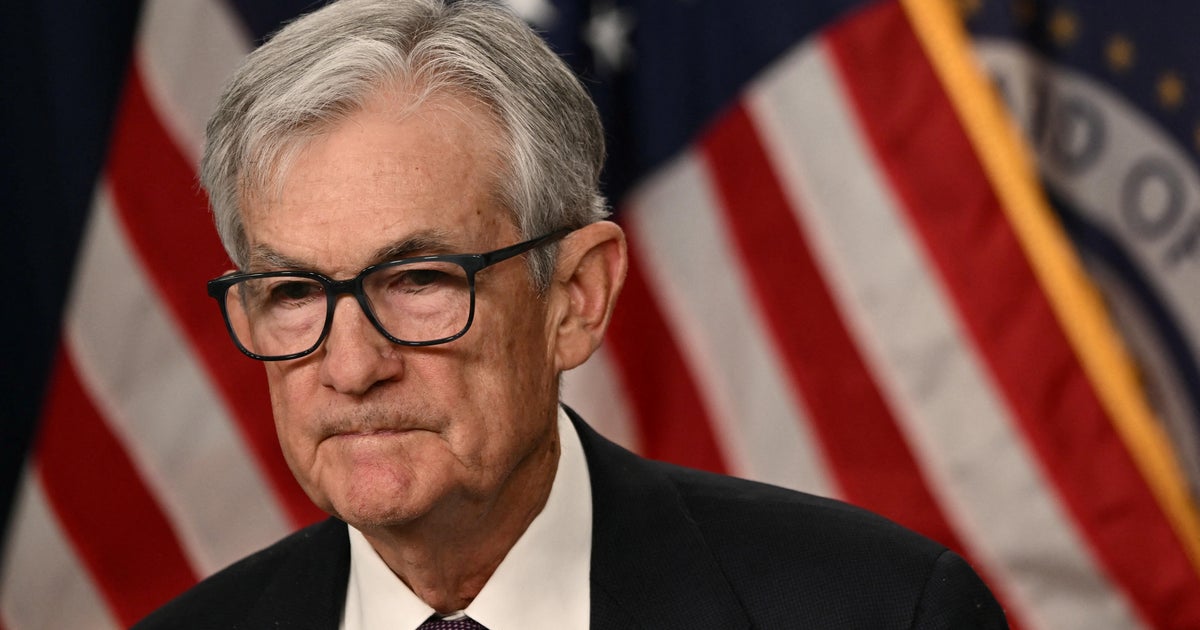
Cover image from cbsnews.com, which was analyzed for this article
Fed Chair Powell steps down as institution confronts 'regime change' and independence threats under Trump. US debt looms over successor strategies. Economists reflect on his tenure amid economic shifts.
PoliticalOS
Friday, May 15, 2026 — Business
Powell leaves a mixed record of crisis management and delayed inflation control; Warsh’s push to shrink the Fed’s footprint collides with large deficits that may force continued market intervention. The central tension is whether institutional checks and market discipline can preserve policy credibility under sustained political pressure.
What outlets missed
Most coverage omitted the specific Senate vote margin on Warsh’s confirmation and the structural limits imposed by only two Trump appointees on the current FOMC. Few noted the Brookings survey finding that most analysts see no current problem with the balance-sheet size. Coverage also underplayed quantitative estimates from former Fed staffer Bill Nelson showing that a further $2 trillion reduction could shift the policy rate anywhere from a 0.84-point cut to a hike depending on Treasury issuance. Finally, outlets rarely connected the St. Louis Fed research on lost convenience yield directly to Warsh’s stated goal of smaller holdings.
Powell Steps Down as Federal Reserve Chair With Warsh Taking Over
Jerome Powell concluded his eight-year term as Federal Reserve chair on Friday after guiding the central bank through the pandemic recession and the subsequent surge in consumer prices. The period featured aggressive stimulus measures followed by delayed rate increases that allowed inflation to reach its highest levels in four decades before receding.
Powell faced repeated calls from President Trump to cut rates earlier and more aggressively. He resisted those demands, which several observers credit with shielding the Fed from direct political control over interest-rate decisions. That stance drew praise from some analysts for upholding institutional norms even as fiscal deficits grew and government spending expanded rapidly during the health crisis.
Kevin Warsh, confirmed by the Senate earlier this week as Powell's successor, has outlined a different approach. He has argued that the Fed expanded its balance sheet and market interventions too far, distorting price signals and complicating the task of controlling inflation. Warsh favors shrinking the central bank's footprint and returning to a narrower focus on monetary stability rather than broader efforts to support employment or asset markets.
The shift occurs against a backdrop of elevated federal debt levels. Analysts note that heavy Treasury issuance could limit how quickly the Fed can reduce its holdings of government securities without pushing long-term borrowing costs higher. Such constraints might force continued involvement in debt markets, undercutting the move toward less intervention that Warsh has promoted.
Powell's record includes both the initial loose policy that contributed to price pressures and the later tightening that brought inflation closer to the Fed's target. Warsh enters with an explicit critique of those earlier choices and a stated preference for rules-based policy that prioritizes sound money over discretionary support for fiscal actions. The outcome will depend on whether the new leadership can maintain focus amid ongoing pressures from government borrowing and political expectations for lower rates.
You just read Conservative's take. Want to read what actually happened?
More in Business & Economy

AI Companies Weigh Early IPOs as Risks Mount
Nasdaq fell sharply amid concerns over AI spending sustainability and data center costs; Nvidia, Meta, and others were hit as Meta and Tesla reported earnings.

Stocks Rise on Earnings as Home Sales Hit Low
Major indices closed mixed to higher, led by healthcare and defensive stocks, as companies like Eli Lilly and UnitedHealth reported strong results. Pending home sales hit record lows.

US Stocks Mixed as Tech Rebounds on AI Optimism
The Dow slipped slightly while the S&P 500 and Nasdaq rose, led by Nvidia, AMD, and Intel gains on renewed AI sector confidence after prior drops. Broader market volatility tied to earnings and data center demand.

Trump Unveils $8 Billion Diesel Relief for Farmers
The Agriculture Department launched the program to offset record diesel prices for farmers, framed as economic aid and a midterm pitch in Kansas amid ongoing inflation and energy cost pressures.
The Compass
You just read five takes on one story.
What's your take? Find your political shape in a few minutes.
Take the test