
Powell Exits Fed as Warsh Takes Over Amid Debt and Independence Strains
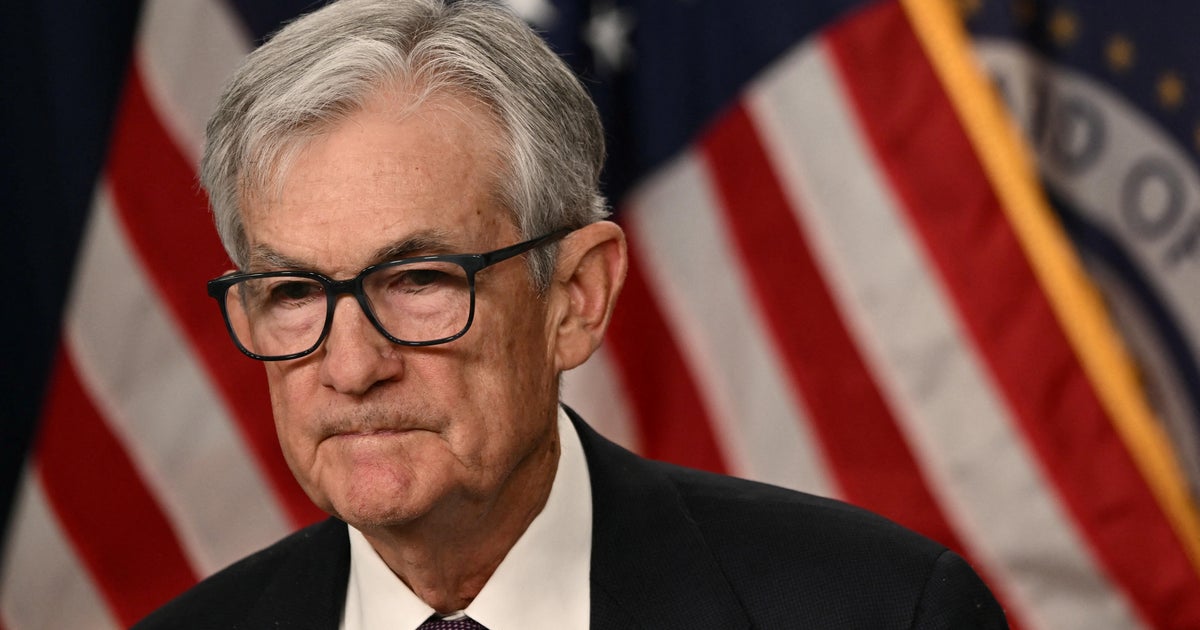
Cover image from cbsnews.com, which was analyzed for this article
Fed Chair Powell steps down as institution confronts 'regime change' and independence threats under Trump. US debt looms over successor strategies. Economists reflect on his tenure amid economic shifts.
PoliticalOS
Friday, May 15, 2026 — Business
Powell leaves a mixed record of crisis management and delayed inflation control; Warsh’s push to shrink the Fed’s footprint collides with large deficits that may force continued market intervention. The central tension is whether institutional checks and market discipline can preserve policy credibility under sustained political pressure.
What outlets missed
Most coverage omitted the specific Senate vote margin on Warsh’s confirmation and the structural limits imposed by only two Trump appointees on the current FOMC. Few noted the Brookings survey finding that most analysts see no current problem with the balance-sheet size. Coverage also underplayed quantitative estimates from former Fed staffer Bill Nelson showing that a further $2 trillion reduction could shift the policy rate anywhere from a 0.84-point cut to a hike depending on Treasury issuance. Finally, outlets rarely connected the St. Louis Fed research on lost convenience yield directly to Warsh’s stated goal of smaller holdings.
Jerome Powell Departs Fed Chair as Trump Ally Takes Helm
Jerome Powell wrapped up his eight years leading the Federal Reserve on Friday, turning over the role to Kevin Warsh amid growing questions about the central bank's outsized influence on everyday American life. Powell guided the institution through the pandemic shutdowns and the sharpest inflation surge in four decades, actions that economists credit with eventually producing a soft landing for growth and jobs. Yet those same moves left many households squeezed by higher prices on groceries, fuel and housing long after the initial crisis passed.
Powell consistently pushed back against White House pressure to ease interest rates faster, framing his stance as a defense of the Fed's autonomy from political interference. Critics viewed it differently, seeing an unelected body insulating itself from accountability to voters who elected the president. Warsh, confirmed by the Senate this week, campaigned on scaling back the Fed's heavy footprint in markets and returning to more traditional monetary policy that prioritizes steady prices over broad interventions.
That shift comes with complications. Ballooning federal debt now tops levels that analysts warn could crowd out private borrowing and test demand for U.S. Treasuries. Stanford professor Hanno Lustig has noted that the traditional advantage of safe government debt appears to be eroding, which might force higher long-term rates on businesses and families or tempt the Fed to step in anyway. Warsh has long argued against such expansions of the central bank's balance sheet, calling them distortions that favor financial markets over productive investment.
Powell's record includes both timely crisis responses and acknowledged delays in spotting inflation risks once supply chains reopened. Moody's chief economist Mark Zandi described the overall monetary management as solid but pointed to the final defense of institutional independence as the standout achievement. Warsh's incoming team will face the same tension between controlling prices and managing a debt load that keeps growing regardless of rate decisions.
The change at the top reflects a broader push to realign the Fed with its original congressional mandate rather than letting it drift into areas far beyond banking and currency. With only a handful of Trump appointees on the policy committee, Warsh will need cooperation from holdovers to implement tighter boundaries on intervention. Early signals suggest he intends to emphasize transparency about market pressures instead of quietly backstopping Treasury borrowing costs.
For working Americans, the stakes center on whether future policy delivers stable prices and borrowing costs that support wages and homeownership rather than inflating asset values for those already positioned in markets. Powell's tenure showed the limits of technocratic steering through shocks. Warsh's approach will test whether a leaner central bank can avoid repeating the same patterns while confronting structural debt challenges that no single chair created. The outcome will shape household finances more directly than most Washington transitions.
You just read America First's take. Want to read what actually happened?
More in Business & Economy

Stocks Rise on Earnings as Home Sales Hit Low
Major indices closed mixed to higher, led by healthcare and defensive stocks, as companies like Eli Lilly and UnitedHealth reported strong results. Pending home sales hit record lows.

US Stocks Mixed as Tech Rebounds on AI Optimism
The Dow slipped slightly while the S&P 500 and Nasdaq rose, led by Nvidia, AMD, and Intel gains on renewed AI sector confidence after prior drops. Broader market volatility tied to earnings and data center demand.

Trump Unveils $8 Billion Diesel Relief for Farmers
The Agriculture Department launched the program to offset record diesel prices for farmers, framed as economic aid and a midterm pitch in Kansas amid ongoing inflation and energy cost pressures.
CPI Rises to 3.7 Percent as Energy Costs Climb Amid Iran Conflict
Hotter-than-expected CPI figures fueled rate hike fears and contributed to sharp declines in AI and tech stocks. Left and right economic commentary debates Trump policies versus Fed actions.
The Compass
You just read five takes on one story.
What's your take? Find your political shape in a few minutes.
Take the test