
Powell Exits Fed as Warsh Takes Over Amid Debt and Independence Strains
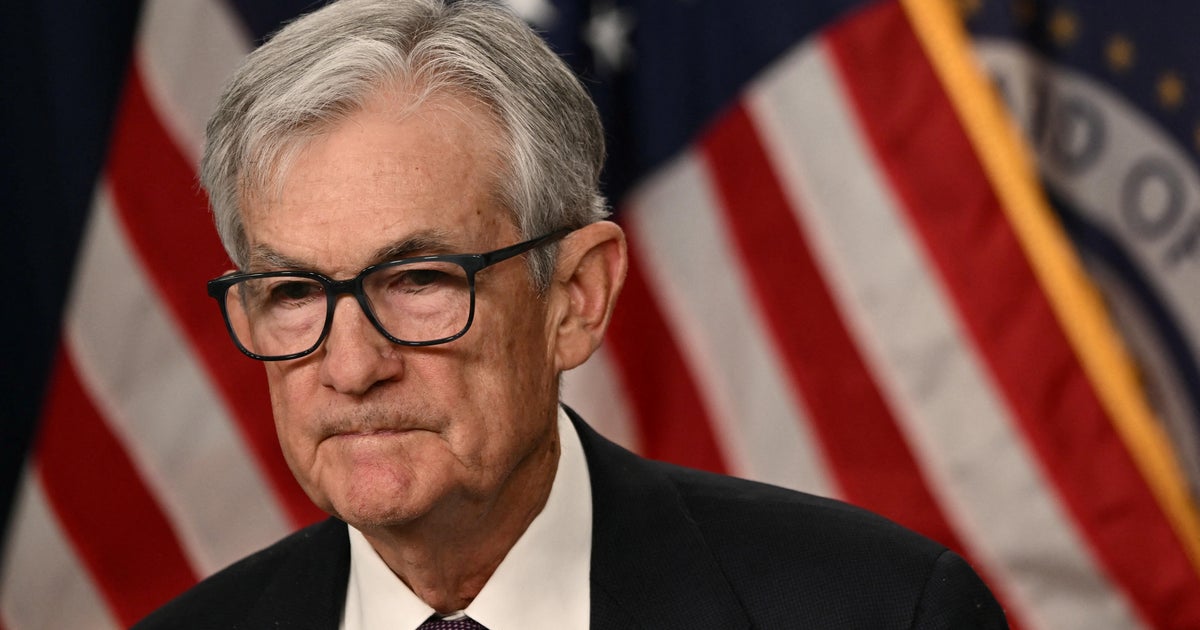
Cover image from cbsnews.com, which was analyzed for this article
Fed Chair Powell steps down as institution confronts 'regime change' and independence threats under Trump. US debt looms over successor strategies. Economists reflect on his tenure amid economic shifts.
PoliticalOS
Friday, May 15, 2026 — Business
Powell leaves a mixed record of crisis management and delayed inflation control; Warsh’s push to shrink the Fed’s footprint collides with large deficits that may force continued market intervention. The central tension is whether institutional checks and market discipline can preserve policy credibility under sustained political pressure.
What outlets missed
Most coverage omitted the specific Senate vote margin on Warsh’s confirmation and the structural limits imposed by only two Trump appointees on the current FOMC. Few noted the Brookings survey finding that most analysts see no current problem with the balance-sheet size. Coverage also underplayed quantitative estimates from former Fed staffer Bill Nelson showing that a further $2 trillion reduction could shift the policy rate anywhere from a 0.84-point cut to a hike depending on Treasury issuance. Finally, outlets rarely connected the St. Louis Fed research on lost convenience yield directly to Warsh’s stated goal of smaller holdings.
Powell Departs Federal Reserve After Resisting Trump's Attacks on Its Autonomy
Jerome Powell stepped down as chair of the Federal Reserve on Friday after eight years marked by efforts to steer the central bank through the pandemic recession and the sharpest inflation surge in four decades. Economists credit him with achieving a rare soft landing that brought price pressures under control without triggering a recession or widespread job losses. Yet his most consequential stand came in shielding the institution from direct political interference by President Trump, who repeatedly demanded lower interest rates and at one point floated legal action against Powell over routine Fed building renovations.
Powell refused to resign and publicly called out the payback motive behind the threats. That resistance preserved the Fed's ability to set policy based on economic data rather than White House directives. Colleagues and outside analysts described the performance as a steady defense of norms at a moment when those norms faced unusual strain. Austan Goolsbee, president of the Federal Reserve Bank of Chicago, noted that Powell simply executed the job as designed, allowing the rest of the institution to focus on its mandate without distraction.
The handoff to Kevin Warsh, Trump's chosen successor, introduces new uncertainties. Warsh has argued for shrinking the Fed's balance sheet and reducing its footprint in financial markets, framing the shift as a return to conventional policy that avoids distorting asset prices. Senate Republicans confirmed him just days before Powell's departure. Warsh's broader critique includes the claim that the Fed strayed outside its congressional lane during the pandemic response, a position that aligned with Trump's complaints but drew concern from observers who see an independent central bank as essential protection against short-term political pressure.
Rising federal debt adds practical complications to Warsh's plans. Analysts point out that a smaller Fed role could leave gaps in the Treasury market, potentially pushing long-term borrowing costs higher for businesses, households and the government itself. Stanford finance professor Hanno Lustig has documented how the traditional "convenience yield" on U.S. debt has eroded, meaning the Fed may face renewed calls to intervene during fiscal stress even if its stated preference is to step back. Warsh has long criticized past expansions of the balance sheet, yet market realities tied to large deficits could limit how far any chair can retreat.
Powell will remain on the Board of Governors, a choice widely viewed as an attempt to provide continuity and deter further encroachments. Only two of the eleven members of the Federal Open Market Committee are Trump appointees, which some analysts believe could constrain Warsh if he pushes for aggressive rate cuts amid renewed inflation concerns. Still, the broader institutional environment has shifted. Trump's public attacks on the Fed during Powell's tenure tested boundaries that previous presidents largely respected, and the incoming leadership's emphasis on regime change raises questions about whether those boundaries will hold.
Powell's record shows both timely action and admitted delays in responding to post-pandemic price increases. The eventual tightening delivered the soft landing without the sharp downturn many feared. That outcome, combined with his refusal to bend to external demands, leaves the Fed with a record of crisis management and institutional defense. The test now falls to whether that defense can be sustained under new leadership and continued fiscal pressures.
You just read Progressive's take. Want to read what actually happened?
More in Business & Economy

AI Companies Weigh Early IPOs as Risks Mount
Nasdaq fell sharply amid concerns over AI spending sustainability and data center costs; Nvidia, Meta, and others were hit as Meta and Tesla reported earnings.

Stocks Rise on Earnings as Home Sales Hit Low
Major indices closed mixed to higher, led by healthcare and defensive stocks, as companies like Eli Lilly and UnitedHealth reported strong results. Pending home sales hit record lows.

US Stocks Mixed as Tech Rebounds on AI Optimism
The Dow slipped slightly while the S&P 500 and Nasdaq rose, led by Nvidia, AMD, and Intel gains on renewed AI sector confidence after prior drops. Broader market volatility tied to earnings and data center demand.

Trump Unveils $8 Billion Diesel Relief for Farmers
The Agriculture Department launched the program to offset record diesel prices for farmers, framed as economic aid and a midterm pitch in Kansas amid ongoing inflation and energy cost pressures.
The Compass
You just read five takes on one story.
What's your take? Find your political shape in a few minutes.
Take the test