
Producer Prices Jump 1.4% as Gas Hits $4.52 Amid Iran Tensions
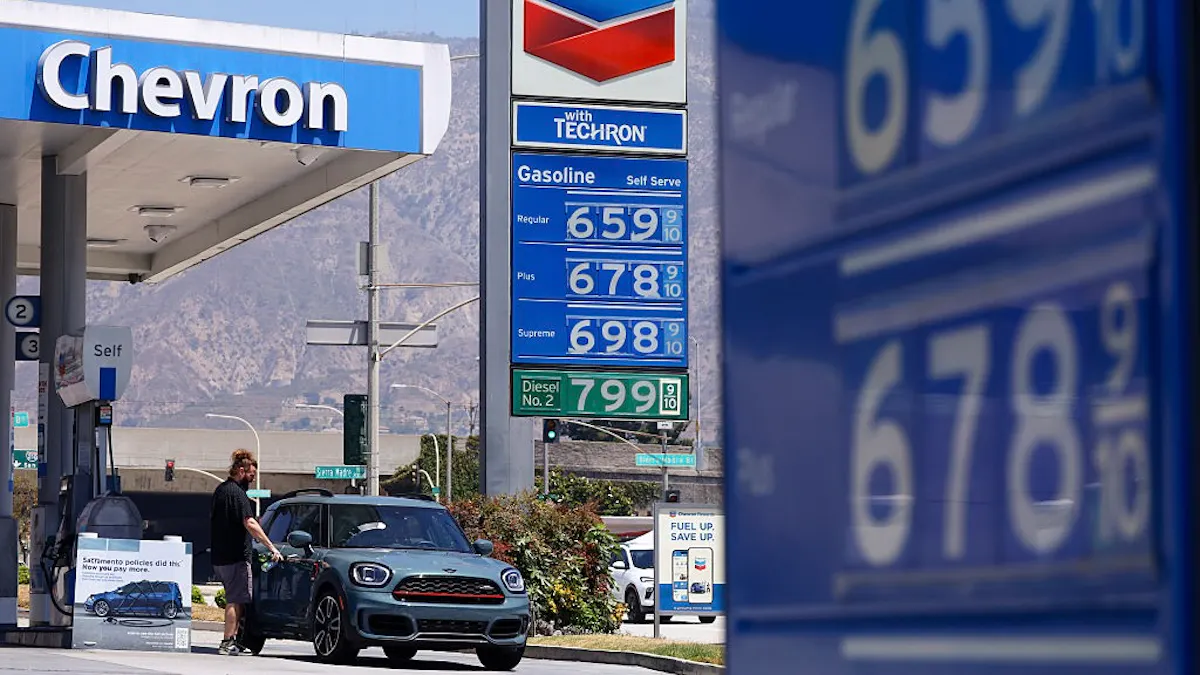
Cover image from dailywire.com, which was analyzed for this article
U.S. producer prices rose 1.4% in April, triple expectations, pushing annual PPI to 6.0% and fueling recession fears despite GDP growth. Gas prices hit $4.52/gallon, linked to Iran Strait issues. Political backlash grows.
PoliticalOS
Thursday, May 14, 2026 — Business
Gasoline at $4.52 and a 1.4 percent producer-price jump reflect immediate supply risks from Hormuz tensions, yet lasting relief depends on whether policy preserves drilling incentives and addresses refinery and shipping constraints rather than temporary export restrictions.
What outlets missed
Most coverage omitted the temporary, conditional language of H.R. 8670 that ties the export moratorium to presidential certification of strait reopening. Few outlets noted that U.S. net petroleum exporter status began in late 2019, four years after the 2015 export ban was lifted, or detailed the Jones Act shipping bottleneck that makes moving domestic crude between U.S. ports more expensive than importing foreign oil. The 70 percent of refineries built for heavy crude and the resulting need to both import and export oil received little attention outside industry-focused reporting.
Trump Administration Weighs Suspending Gas Tax as Oil Prices Climb Sharply
Gas prices have surged in recent weeks as the conflict with Iran drags on, pushing the national average above $4.50 a gallon and prompting the White House to consider suspending the federal gas tax for the first time in years. Seven states have already crossed the $5 threshold, according to data compiled by AAA, while consumer inflation reached 3.8 percent in April, the highest level in nearly three years.
The price spike stems primarily from a supply shock tied to the Iran operation, which began in late February and has disrupted tanker traffic through the Strait of Hormuz. Oil markets have reacted to the prospect of prolonged instability, with little sign of a swift resolution. Internal discussions within the administration have shifted from skepticism about a tax holiday to viewing it as a necessary signal of action, according to people familiar with the deliberations. The 18-cent-per-gallon reduction would offer immediate but limited relief at a moment when broader options appear constrained.
Political responses have varied along familiar lines. Some Democratic lawmakers, including Representatives Ro Khanna and Brad Sherman of California, have proposed restricting U.S. oil exports in an effort to retain more supply domestically. Industry analysts note that such a step could backfire over time by discouraging new production and handing greater leverage to OPEC producers and Russia. Most U.S. refineries remain configured for heavier grades of crude than the lighter shale oil now dominant in domestic output, a structural mismatch that limits how quickly additional barrels can be absorbed at home.
President Trump has sought to minimize the economic fallout, asserting that current inflation remains far below peaks reached under the prior administration and that recent readings near 1.7 percent reflect only temporary conditions. Official data show cumulative price increases since the start of the conflict have exceeded 50 percent for gasoline, and consumer sentiment surveys have registered fresh lows. White House officials maintain that once the immediate military objectives are met and shipping lanes normalize, both energy costs and broader inflation pressures will ease.
The episode underscores how quickly external shocks can test domestic energy policy. Even as the United States remains a net petroleum exporter following the lifting of earlier export restrictions, short-term price volatility continues to affect households already facing elevated living costs. With midterm elections approaching, the administration faces pressure to demonstrate visible steps to contain the damage while longer-term production and refining adjustments play out.
You just read Liberal's take. Want to read what actually happened?
More in Business & Economy

Stocks Rise on Earnings as Home Sales Hit Low
Major indices closed mixed to higher, led by healthcare and defensive stocks, as companies like Eli Lilly and UnitedHealth reported strong results. Pending home sales hit record lows.

US Stocks Mixed as Tech Rebounds on AI Optimism
The Dow slipped slightly while the S&P 500 and Nasdaq rose, led by Nvidia, AMD, and Intel gains on renewed AI sector confidence after prior drops. Broader market volatility tied to earnings and data center demand.

Trump Unveils $8 Billion Diesel Relief for Farmers
The Agriculture Department launched the program to offset record diesel prices for farmers, framed as economic aid and a midterm pitch in Kansas amid ongoing inflation and energy cost pressures.

CPI Rises to 3.7 Percent as Energy Costs Climb Amid Iran Conflict
Hotter-than-expected CPI figures fueled rate hike fears and contributed to sharp declines in AI and tech stocks. Left and right economic commentary debates Trump policies versus Fed actions.
The Compass
You just read five takes on one story.
What's your take? Find your political shape in a few minutes.
Take the test