
Oil rebounds on Iran strikes as markets eye PCE inflation data

Cover image from cnbc.com, which was analyzed for this article
US released revised Q1 GDP estimate, core PCE inflation, building permits and ISM services data. Markets reacted to mixed growth signals and persistent inflation readings.
PoliticalOS
Thursday, May 28, 2026 — Business
Markets are pricing both the risk of prolonged energy-driven inflation and the possibility of diplomatic progress. The immediate focus remains Thursday’s PCE release, which will test whether price pressures are moderating as hoped.
What outlets missed
No outlet supplied independent confirmation or precise location for the reported U.S. strikes or the Iranian Revolutionary Guard response. Details on any Q1 GDP revision, building permits, or ISM services data referenced in the original topic summary were absent from all three reports. The articles also omitted any direct market reaction to those specific releases.
Energy prices climbed Thursday after reports of renewed U.S. military action in Iran, lifting Brent crude nearly 3 percent to $97.16 a barrel and West Texas Intermediate above $91. Traders also positioned ahead of the April personal consumption expenditures price index, the Federal Reserve’s preferred inflation gauge, scheduled for release at 8:30 a.m. ET.
The moves reversed some of Wednesday’s declines that followed comments from Secretary of State Marco Rubio favoring diplomatic talks and Iranian state media statements about restoring Strait of Hormuz traffic within a month of any agreement. President Trump said the United States would not permit Iran to control the waterway under a deal. The White House separately called one reported memorandum of understanding a fabrication.
Chicago Fed President Austan Goolsbee told CNBC that energy inflation tied to the conflict has lasted longer than futures markets initially projected. Brent stood at $96 versus $72 before strikes began; WTI reached $90.21 versus $67.02. Because many Asian economies import energy, Goolsbee described the price path as a classic stagflationary shock. He reiterated his 2025 dissent on the final rate cut, saying inflation had not proved as temporary as first described, while adding that rates would ultimately settle well below current levels if the 2 percent target is approached.
Goolsbee also warned that equity gains linked to anticipated AI productivity could lift consumer spending and construction costs before those gains materialize, creating near-term inflation pressure. Minneapolis Fed President Neel Kashkari echoed the priority on bringing inflation down, noting the labor market remains in decent shape.
S&P 500 futures fell 0.2 percent and Nasdaq 100 futures dropped 0.3 percent in early trading. Asian benchmarks closed lower, with South Korea’s Kospi off 0.53 percent and Japan’s Nikkei down 0.47 percent. European shares opened 0.5 percent weaker.
Economists surveyed by Dow Jones expect the core PCE index to rise 0.3 percent month-over-month and 3.3 percent year-over-year. Pre-market movers included Snowflake, up 36 percent after a $6 billion AWS commitment and earnings beat, and several retailers reporting first-quarter results that topped forecasts.
More in Business & Economy

Stocks Rise on Earnings as Home Sales Hit Low
Major indices closed mixed to higher, led by healthcare and defensive stocks, as companies like Eli Lilly and UnitedHealth reported strong results. Pending home sales hit record lows.

US Stocks Mixed as Tech Rebounds on AI Optimism
The Dow slipped slightly while the S&P 500 and Nasdaq rose, led by Nvidia, AMD, and Intel gains on renewed AI sector confidence after prior drops. Broader market volatility tied to earnings and data center demand.

Trump Unveils $8 Billion Diesel Relief for Farmers
The Agriculture Department launched the program to offset record diesel prices for farmers, framed as economic aid and a midterm pitch in Kansas amid ongoing inflation and energy cost pressures.
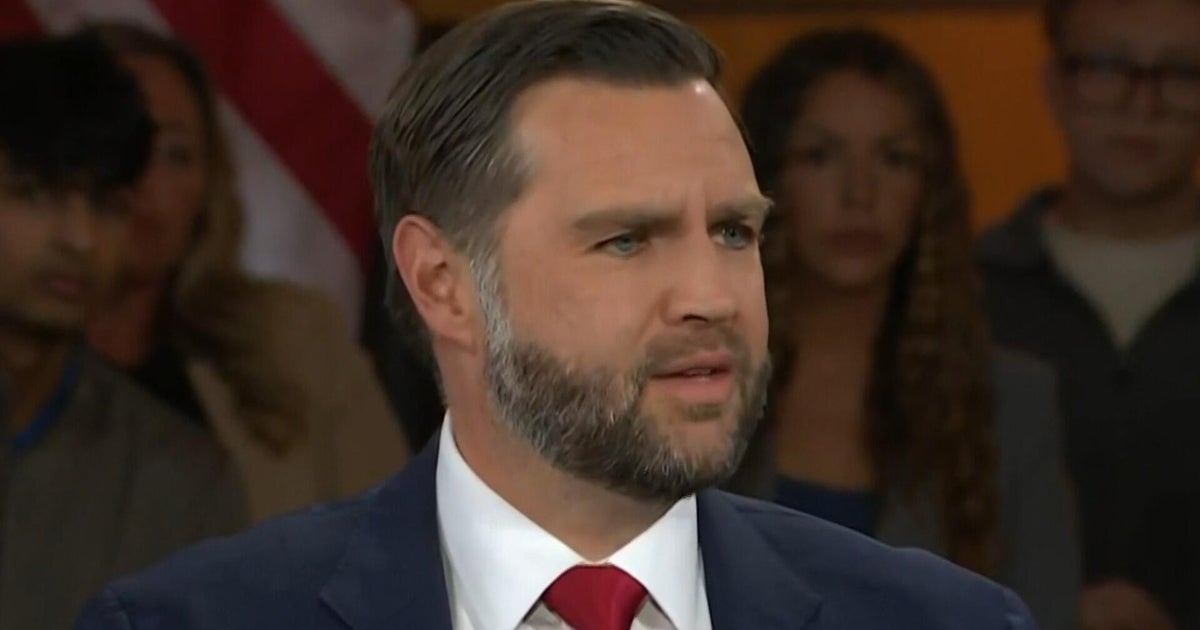
CPI Rises to 3.7 Percent as Energy Costs Climb Amid Iran Conflict
Hotter-than-expected CPI figures fueled rate hike fears and contributed to sharp declines in AI and tech stocks. Left and right economic commentary debates Trump policies versus Fed actions.
The Compass
You just read five takes on one story.
What's your take? Find your political shape in a few minutes.
Take the test