
US GDP Growth Slows to 1.5% Annualized in Second Quarter
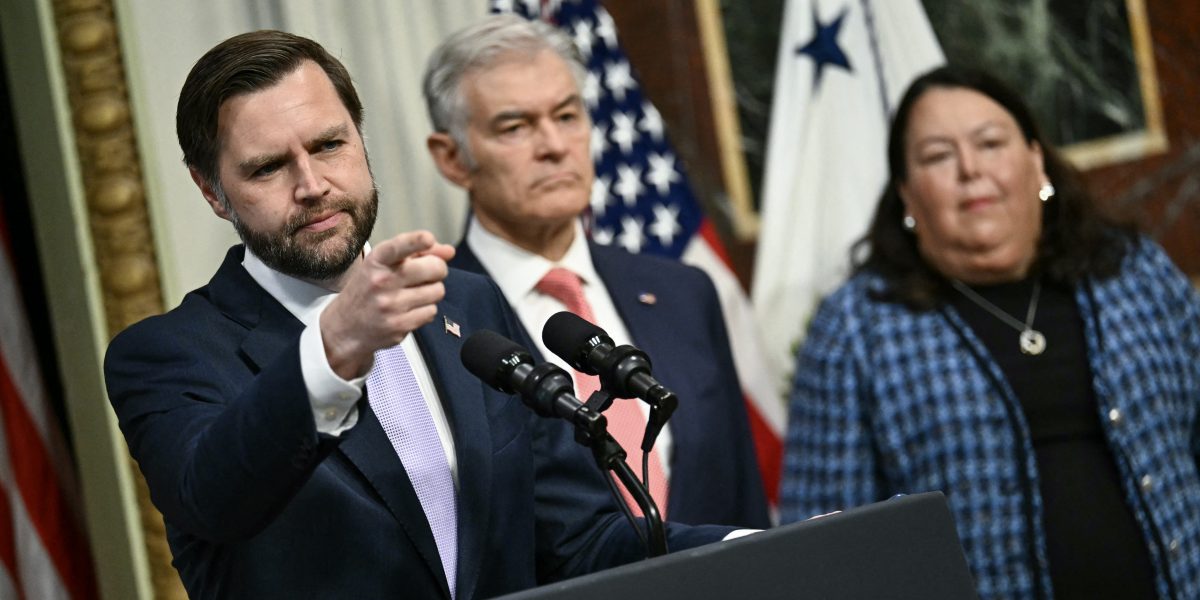
Cover image from theintercept.com, which was analyzed for this article
Advance estimate shows US economy grew at 1.5% annualized rate in Q2, down from 2.1% in Q1, with consumer spending and investment supporting growth.
PoliticalOS
Friday, July 31, 2026 — Business
The second-quarter slowdown to 1.5% reflects a measurable pullback from government spending and higher imports, yet consumer spending continued to underpin expansion. Readers should note that one outlet supplied the core data while the other offered no information on the topic.
What outlets missed
The NPR newsletter correctly attributed the slowdown to lower government spending and higher imports but provided no further breakdown of investment or export components. The Intercept article contained no coverage of the GDP release at all, focusing instead on an unrelated OIG healthcare fraud report. No outlet supplied independent verification of the precise contribution from business fixed investment or the role of inventory changes in the 1.5% figure.
OIG Report Points to Corporate Exploitation in Government Health Programs
The Department of Health and Human Services Office of Inspector General released its latest semiannual report to Congress detailing enforcement actions against healthcare fraud over a six month period. The findings show that corporate executives and large organizations account for the bulk of alleged schemes involving Medicare and related programs rather than small providers or immigrant communities.
One case described a chief executive who directed efforts to prescribe medically unnecessary devices to Medicare recipients. Another involved an insurance broker and marketing executive who arranged Affordable Care Act enrollments that targeted individuals facing homelessness or substance abuse. These examples illustrate patterns where organizations leverage scale and access to federal payments for improper gains.
The report arrives amid ongoing administration statements that link healthcare fraud primarily to immigrant populations. Such claims have shaped enforcement priorities including actions in Minnesota earlier this year. Official data however separates the scale of corporate cases from isolated incidents and shows billions in questioned billings tied to business operations.
Government funded health programs operate through third party payments that reduce direct accountability for both providers and patients. This structure creates incentives for volume based claims and complex billing that larger entities can navigate more effectively than individuals. Historical patterns in entitlement systems demonstrate that when reimbursement rules expand without corresponding oversight the opportunities for systematic overbilling increase.
Analyses of enforcement records consistently identify executives at the center of multi million dollar arrangements. Small scale providers and individual beneficiaries appear less frequently in the highest value cases tracked by inspectors. This distribution aligns with the mechanics of concentrated economic activity where decision making authority rests with management rather than scattered participants.
Public focus on immigration as the dominant source of fraud overlooks the documented record of corporate conduct. Shifting attention to border policy does not alter the payment rules or auditing gaps within Medicare that permit large claims to proceed. Effective reduction of waste requires adjustments to program design such as tighter eligibility verification and greater price sensitivity for covered services.
The administration has pursued immigration measures partly on grounds of resource protection yet the inspector general data directs scrutiny toward entities that process the largest shares of federal dollars. Past episodes of fraud in similar programs show that enforcement against individuals yields limited recovery compared with actions that address organizational practices.
Market based reforms that increase consumer choice and direct payment responsibility have reduced similar distortions in other sectors. Applying comparable principles to health entitlements would confront the root conditions that allow corporate schemes to persist regardless of which group receives public emphasis at any given moment.
You just read Conservative's take. Want to read what actually happened?
More in Business & Economy

Business Activity Holds Up as Selling Prices Rise Fastest Since 2022
S&P Global PMI shows robust activity but selling prices rise at fastest pace since 2022 amid energy and supply chain costs. Halloween candy prices jump 7.7%.

Stock Futures Climb on Anthropic IPO Filing and AI Financing
Major indices rose on enthusiasm from Anthropic's IPO filing and broader AI infrastructure announcements including Meta's massive fundraising plans. Investors are betting heavily on continued AI growth despite valuation concerns.

Tariffs and AI Transition Fuel Growth and Job Worries
Trump's tariff rhetoric and AI-driven restructuring raised concerns about growth, inflation, and job impacts as markets reacted to geopolitical and tech shifts.

AI Companies Weigh Early IPOs as Risks Mount
Nasdaq fell sharply amid concerns over AI spending sustainability and data center costs; Nvidia, Meta, and others were hit as Meta and Tesla reported earnings.
The Compass
You just read five takes on one story.
What's your take? Find your political shape in a few minutes.
Take the test