
US GDP Growth Slows to 1.5% Annualized in Second Quarter
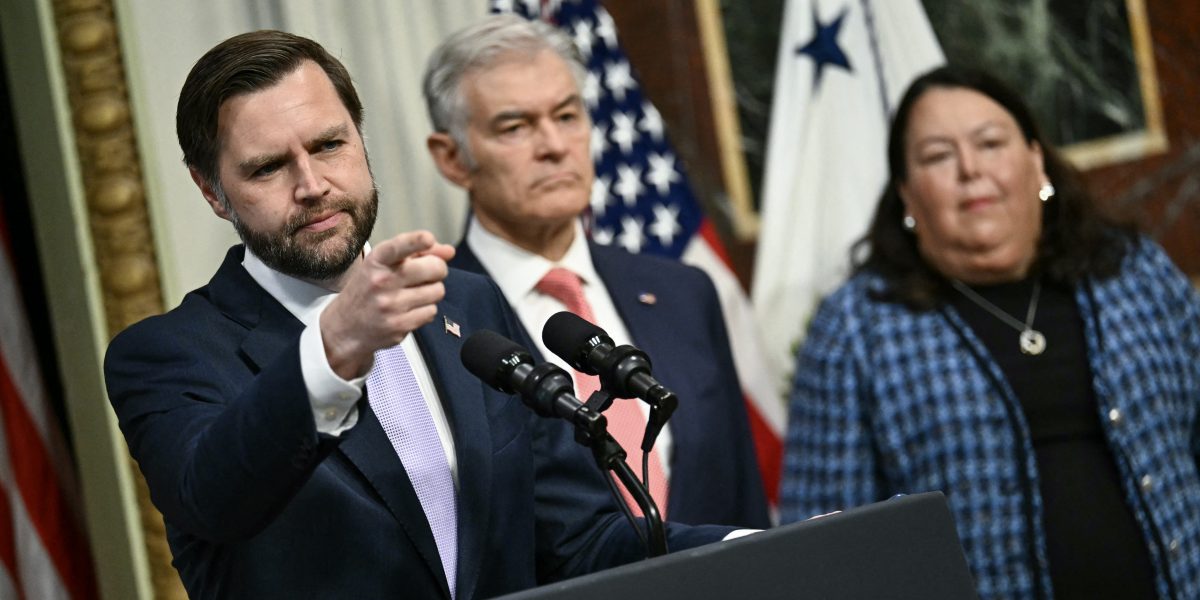
Cover image from theintercept.com, which was analyzed for this article
Advance estimate shows US economy grew at 1.5% annualized rate in Q2, down from 2.1% in Q1, with consumer spending and investment supporting growth.
PoliticalOS
Friday, July 31, 2026 — Business
The second-quarter slowdown to 1.5% reflects a measurable pullback from government spending and higher imports, yet consumer spending continued to underpin expansion. Readers should note that one outlet supplied the core data while the other offered no information on the topic.
What outlets missed
The NPR newsletter correctly attributed the slowdown to lower government spending and higher imports but provided no further breakdown of investment or export components. The Intercept article contained no coverage of the GDP release at all, focusing instead on an unrelated OIG healthcare fraud report. No outlet supplied independent verification of the precise contribution from business fixed investment or the role of inventory changes in the 1.5% figure.
Trump Claims on Gaza Deal and Healthcare Fraud Meet Resistance from Facts
President Trump announced this week that Hamas has agreed to fully disarm and that Israeli forces would withdraw from Gaza as part of a new arrangement reached through his Board of Peace. The claim comes more than nine months after an earlier U.S.-brokered ceasefire and just months before midterm elections. Yet details from the parties involved suggest the sequence remains unresolved, with Hamas officials telling NPR they would surrender weapons only after an Israeli withdrawal, and Israeli Prime Minister Benjamin Netanyahu offering no public response.
The announcement reflects the administration's push for a visible foreign policy success amid rising gas prices and an ongoing conflict involving Iran. Republican strategist Alex Conant noted that continued instability could carry political costs in the fall. Trump has framed the plan as supported by mediators from Egypt, Turkey, and Qatar, but the core dispute over which side acts first continues to block implementation. Past ceasefires have shown that enforcement hinges on verifiable steps rather than initial declarations, and no timetable for disarmament or withdrawal has been released.
Separately, a semiannual report from the Department of Health and Human Services Office of Inspector General details enforcement actions over the past six months and points to corporate executives as the primary source of large-scale healthcare fraud. The findings cover schemes involving medically unnecessary devices targeting Medicare beneficiaries and enrollment scams under the Affordable Care Act that exploited people experiencing homelessness. These cases involve billions in alleged losses and contrast with the administration's repeated emphasis on immigrant communities as the main drivers of fraud in federal programs.
The OIG report does not support the narrative that undocumented immigrants or small immigrant-run providers account for the bulk of abuse. Instead, it highlights actions by insurance brokers, marketing executives, and company leaders who structured operations around systemic vulnerabilities in Medicare and related programs. Administration officials have used fraud concerns to justify expanded immigration enforcement, including operations in Minnesota, yet the inspector general's data shows enforcement priorities have not aligned with the scale of corporate cases identified.
Both developments illustrate a pattern in which administration statements project decisive outcomes while underlying records and statements from other actors reveal narrower or contested results. On Gaza, the absence of confirmation from Israel and Hamas conditions on sequencing limit the immediate impact of the announcement. On healthcare, inspector general findings continue to document corporate responsibility even as public messaging focuses elsewhere. These gaps matter for assessing what policies will actually change on the ground.
Institutional reporting from agencies and direct statements from involved parties provide the clearest measure of progress in both areas. Midterm pressures may accelerate further claims of breakthroughs, but durable results will depend on whether announced steps produce documented follow-through rather than repeated assertions.
You just read Liberal's take. Want to read what actually happened?
More in Business & Economy

Business Activity Holds Up as Selling Prices Rise Fastest Since 2022
S&P Global PMI shows robust activity but selling prices rise at fastest pace since 2022 amid energy and supply chain costs. Halloween candy prices jump 7.7%.

Stock Futures Climb on Anthropic IPO Filing and AI Financing
Major indices rose on enthusiasm from Anthropic's IPO filing and broader AI infrastructure announcements including Meta's massive fundraising plans. Investors are betting heavily on continued AI growth despite valuation concerns.
Tariffs and AI Transition Fuel Growth and Job Worries
Trump's tariff rhetoric and AI-driven restructuring raised concerns about growth, inflation, and job impacts as markets reacted to geopolitical and tech shifts.

AI Companies Weigh Early IPOs as Risks Mount
Nasdaq fell sharply amid concerns over AI spending sustainability and data center costs; Nvidia, Meta, and others were hit as Meta and Tesla reported earnings.
The Compass
You just read five takes on one story.
What's your take? Find your political shape in a few minutes.
Take the test