
July Retail Data Shows Spending Dip Amid Inflation Blame Game
Cover image from slate.com, which was analyzed for this article
July figures showed weaker consumer spending amid inflation, with debates over causes tied to prior administration policies versus current conditions.
PoliticalOS
Saturday, August 15, 2026 — Business
July spending weakness sits at the intersection of legacy inflation and new tariffs, yet the reviewed outlets supply neither the precise sales numbers nor a quantified split between the two drivers. Readers must treat the 21.5 percent cumulative CPI and tariff price effects as unverified until corroborated by primary government releases.
What outlets missed
Cumulative CPI rose 21.5 percent over the prior administration with real earnings down about 4 percent and home prices up 37 percent. New 2025 tariffs added between 1.9 and 3.1 percent to core goods prices. No outlet supplied the actual July retail-sales percentage change or broke out the contribution of tariffs versus earlier inflation to that specific month.
Why Restaurants Are Stripping the Real Work From Summer Crab Feasts
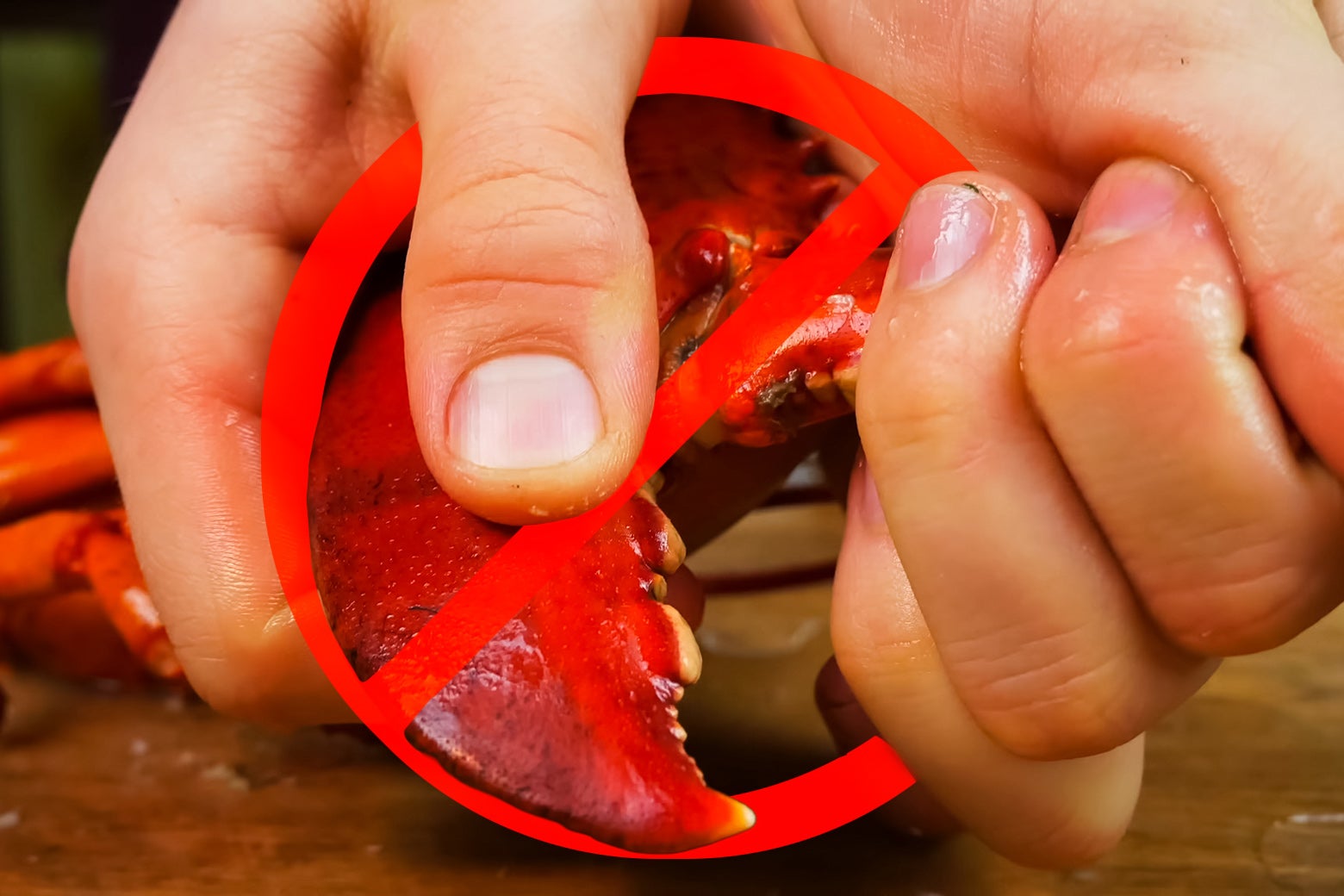
Restaurants across the country are quietly shelving the old ritual of cracking your own crab at the table, and the shift is drawing quiet pushback from those who see it as another small victory for convenience over effort. At upscale spots like Kitty’s Cosmopolitan Club in Chicago, Dungeness crab now arrives pre-shelled and neatly piled into a scallop shell, ready for immediate consumption alongside a martini. Diners get the sweet meat without the labor of twisting claws or picking through shells, a change that saves time but removes the hands-on engagement that once defined the meal.
The trend extends beyond one lounge. More establishments are delivering crustacean dishes already extracted from their shells, citing practicality and a desire to avoid mess during drinks or conversations. What was once a shared task at the table, involving wooden mallets, picks, and plenty of napkins, is being replaced by plated portions that require nothing more than a fork. Critics of the move argue it turns a seasonal pleasure into something closer to fast food, where the satisfaction comes only from the taste rather than the process of earning it.
British restaurant St. John has pushed back publicly, promoting its whole-crab lunches as an experience worth the time. Its message stresses patience and appreciation, noting that the claws, white meat, and brown meat reward those willing to work through them slowly with a glass of wine. The appeal frames the cracking not as a chore but as part of the enjoyment, a counter to the growing practice of outsourcing the work to kitchen staff before the plate reaches the customer.
This evolution reflects broader patterns where daily activities lose their physical demands in the name of efficiency. What once required coordination between hands and tools now arrives simplified, much like other traditions that have been streamlined away. Diners who prefer the old method point out that the effort itself adds to the flavor, forcing a slower pace and a direct connection to the food. Pre-shelled versions may taste fine, but they bypass the tactile reward that made crab a standout summer dish in the first place.
Observers note that the change aligns with a culture that increasingly values speed and presentation over participation. High-end venues cater to customers who want the luxury without the cleanup or the occasional awkward moment of wrestling with a stubborn shell. Yet the resistance from places like St. John suggests not everyone accepts that trade-off. For those who still seek out whole crabs, the meal remains an active one, complete with the small victories of extracting meat and the shared laughs when pieces fly across the table.
The shift raises questions about what is lost when convenience becomes the default. Crab eating used to demand attention and a bit of skill, turning a simple seafood order into something more memorable. As more kitchens handle the cracking behind the scenes, the experience tilts toward consumption rather than involvement. Diners who miss the old way are left wondering whether the next summer staple will arrive even more processed, stripped of the steps that once made it worth the wait.
You just read America First's take. Want to read what actually happened?
More in Business & Economy

Business Activity Holds Up as Selling Prices Rise Fastest Since 2022
S&P Global PMI shows robust activity but selling prices rise at fastest pace since 2022 amid energy and supply chain costs. Halloween candy prices jump 7.7%.

Stock Futures Climb on Anthropic IPO Filing and AI Financing
Major indices rose on enthusiasm from Anthropic's IPO filing and broader AI infrastructure announcements including Meta's massive fundraising plans. Investors are betting heavily on continued AI growth despite valuation concerns.

Tariffs and AI Transition Fuel Growth and Job Worries
Trump's tariff rhetoric and AI-driven restructuring raised concerns about growth, inflation, and job impacts as markets reacted to geopolitical and tech shifts.

AI Companies Weigh Early IPOs as Risks Mount
Nasdaq fell sharply amid concerns over AI spending sustainability and data center costs; Nvidia, Meta, and others were hit as Meta and Tesla reported earnings.
The Compass
You just read five takes on one story.
What's your take? Find your political shape in a few minutes.
Take the test