
July Retail Data Shows Spending Dip Amid Inflation Blame Game
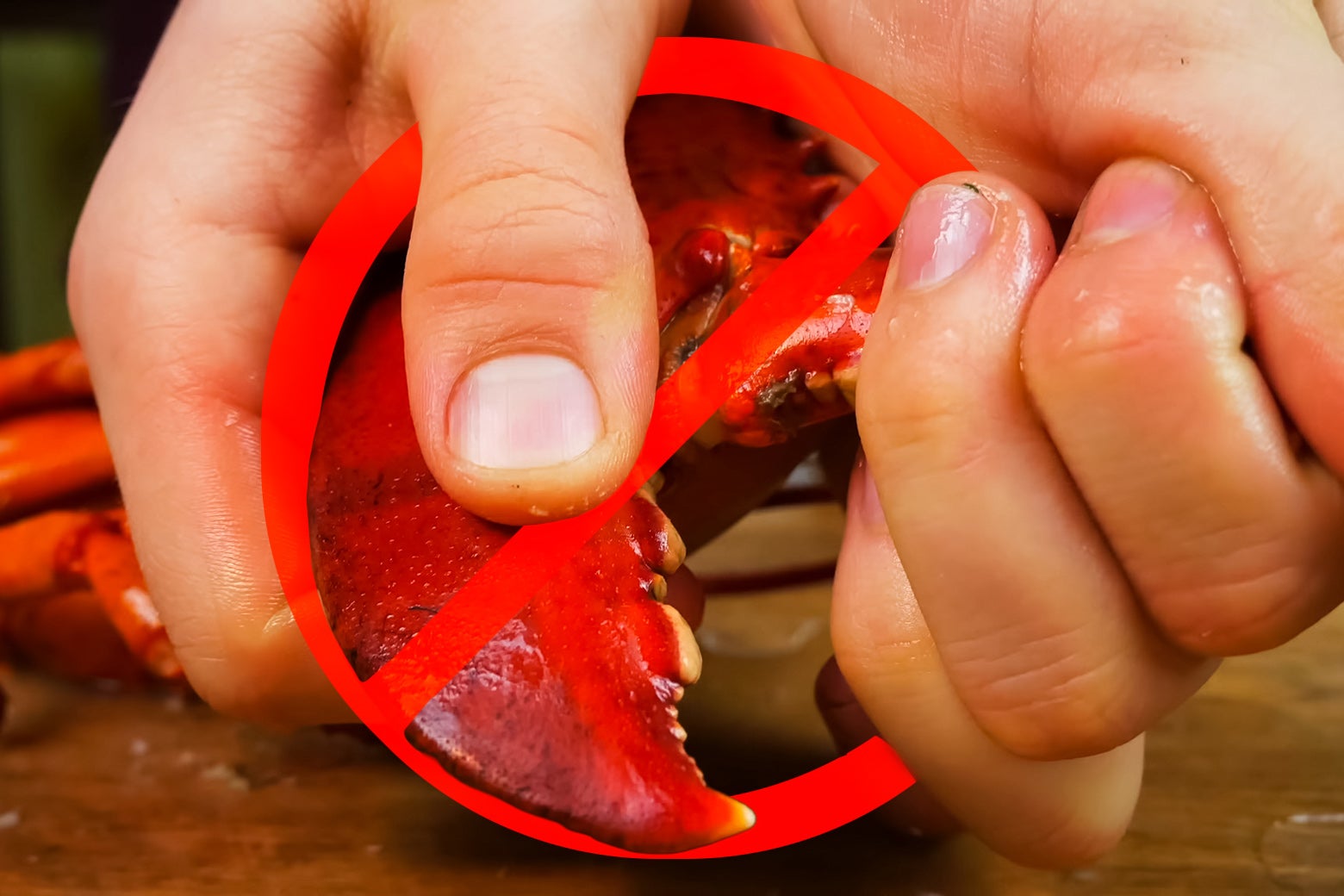
Cover image from slate.com, which was analyzed for this article
July figures showed weaker consumer spending amid inflation, with debates over causes tied to prior administration policies versus current conditions.
PoliticalOS
Saturday, August 15, 2026 — Business
July spending weakness sits at the intersection of legacy inflation and new tariffs, yet the reviewed outlets supply neither the precise sales numbers nor a quantified split between the two drivers. Readers must treat the 21.5 percent cumulative CPI and tariff price effects as unverified until corroborated by primary government releases.
What outlets missed
Cumulative CPI rose 21.5 percent over the prior administration with real earnings down about 4 percent and home prices up 37 percent. New 2025 tariffs added between 1.9 and 3.1 percent to core goods prices. No outlet supplied the actual July retail-sales percentage change or broke out the contribution of tariffs versus earlier inflation to that specific month.
As Economic Strain Reshapes Daily Rituals, Crab Cracking Joins the List of Casualties
The shift away from hands-on crab preparation in restaurants reflects more than changing diner preferences. It points to deeper adjustments in how Americans allocate time and money amid persistent cost pressures that show little sign of easing. Recent reports from high-end venues in Chicago and London illustrate the trend: whole Dungeness crab now often arrives pre-shelled and plated in scallop shells, eliminating the need for crackers or mallets at the table. Diners sipping martinis no longer pause to extract meat from claws, a change some view as practical while others see it as the loss of a deliberate, sensory experience.
This convenience push coincides with broader economic signals that have left households cautious about discretionary spending. Treasury Secretary Scott Bessent, appearing on Newsmax, attributed ongoing cost-of-living concerns to policies from the prior administration rather than current ones. He pointed to historical examples of centralized economic systems that produced shortages, arguing that similar approaches today would yield less of what people value. Critics counter that such responses sidestep accountability for recent inflation patterns and tariff effects that have kept everyday items elevated even as official data shows mixed growth.
The practical result appears in consumer behavior. When real wages lag behind housing, groceries, and energy costs, activities requiring extra time or specialized tools lose appeal. A meal that once stretched into an hour of shared effort now competes with quicker options that fit tighter schedules. Restaurants respond accordingly, removing the labor of shelling from the customer side to speed table turns and reduce mess. The British restaurant St. John has pushed back against this pattern, advertising whole-crab lunches with an explicit reminder that the process itself constitutes part of the value, best paired with white wine and patience.
Data on dining trends supports the pattern. Establishments tracking guest feedback note rising requests for pre-portioned seafood and simplified presentations, especially in urban markets where rent and labor costs have climbed. This mirrors adjustments seen in other categories: pre-cut produce, ready-to-heat meals, and subscription services that trade hands-on involvement for predictability. The change is not driven by any single regulation but by the cumulative effect of price levels that make leisure time scarcer for middle-income households.
Political debate continues to frame these outcomes differently. One side emphasizes external shocks and inherited conditions, while the other highlights policy choices on trade, energy, and fiscal support that have prolonged price stickiness. Neither narrative fully addresses how such conditions alter small rituals that once signaled abundance. The crab claw, once a marker of summer indulgence requiring focused attention, becomes another item streamlined for efficiency. Whether this represents adaptation or erosion depends on whether the underlying cost structure improves enough to restore room for slower consumption.
You just read Liberal's take. Want to read what actually happened?
More in Business & Economy

Business Activity Holds Up as Selling Prices Rise Fastest Since 2022
S&P Global PMI shows robust activity but selling prices rise at fastest pace since 2022 amid energy and supply chain costs. Halloween candy prices jump 7.7%.

Stock Futures Climb on Anthropic IPO Filing and AI Financing
Major indices rose on enthusiasm from Anthropic's IPO filing and broader AI infrastructure announcements including Meta's massive fundraising plans. Investors are betting heavily on continued AI growth despite valuation concerns.

Tariffs and AI Transition Fuel Growth and Job Worries
Trump's tariff rhetoric and AI-driven restructuring raised concerns about growth, inflation, and job impacts as markets reacted to geopolitical and tech shifts.

AI Companies Weigh Early IPOs as Risks Mount
Nasdaq fell sharply amid concerns over AI spending sustainability and data center costs; Nvidia, Meta, and others were hit as Meta and Tesla reported earnings.
The Compass
You just read five takes on one story.
What's your take? Find your political shape in a few minutes.
Take the test