
Texas Man Charged with Attempted Murder in Molotov Attack on Sam Altman

Cover image from go.theregister.com, which was analyzed for this article
A man faces attempted murder charges for throwing Molotov cocktails at Sam Altman's San Francisco home. The FBI raided a related Texas property. The incident highlights growing safety risks for AI executives.
PoliticalOS
Tuesday, April 14, 2026 — Tech
A single individual acted on extreme anti-AI beliefs to target one of the technology's most visible leaders, yet every major AI safety organization that has warned about existential risks immediately and unequivocally rejected violence. The recovered writings and charges paint a picture of premeditation, not spontaneous rage. Readers should recognize that while public anxiety about AI is both real and growing according to independent indices, this incident underscores the bright line between debate and criminal acts that law enforcement intends to enforce.
What outlets missed
Most outlets underplayed the suspect's limited two-year presence in the PauseAI Discord community, where he made 34 posts without explicit calls to violence, a detail that adds nuance to claims of organized anti-AI activism. Coverage also largely omitted a separate weekend gunfire incident near Altman's home that led to two unrelated arrests, suggesting the CEO faced multiple security threats in quick succession. Few reconciled conflicting location details, such as UPI's placement of the residence in North Beach rather than the verified Russian Hill address on Chestnut Street. The concurrent Stanford AI Index quantifying rising public nervousness about AI received only glancing treatment despite its direct relevance to the motive. Finally, exact wording and sectional titles from the recovered document varied across reports and could not all be corroborated in the publicly referenced criminal complaint.
Texas Man Charged With Attempted Murder After Molotov Attack on Sam Altman Home
Daniel Moreno-Gama, a 20-year-old from Spring, Texas, faces multiple charges including two counts of attempted murder after authorities say he traveled to San Francisco, threw a Molotov cocktail at OpenAI CEO Sam Altman's residence, and then threatened to burn down the company's headquarters while declaring his intent to kill those inside. The incidents, which occurred in the early morning hours of April 10, injured no one but have drawn attention to the real-world consequences of extreme views on artificial intelligence.
San Francisco police responded to Altman's North Beach home shortly after 3:37 a.m. following reports of an incendiary device thrown at the property. Surveillance footage captured a man approaching the gated entrance, igniting the device, and hurling it from about 10 feet away. The fire damaged an exterior gate before the suspect fled on foot. Less than an hour later, the same individual appeared at OpenAI's offices in the Mission Bay neighborhood, where he used a chair to strike the glass doors and told security personnel he planned to torch the building and kill everyone present.
Officers arrested Moreno-Gama nearby. A search of his person turned up a lighter, a jug of kerosene, and a three-part document that authorities describe as a manifesto. Titled in part "Your Last Warning," the writings explicitly named Altman as a target and called for others to kill AI executives. The papers included a list of prominent figures in the artificial intelligence field along with their home addresses. Moreno-Gama had written at length about the supposed existential risks posed by AI, warning of humanity's "impending extinction" if development continued unchecked.
Federal prosecutors charged him with possession of an unregistered firearm and attempted damage to and destruction of property by means of explosives. In state court, San Francisco District Attorney Brooke Jenkins added counts of attempted murder for both Altman and a security guard at the residence, as well as attempted arson. The state charges alone could bring penalties ranging from 19 years to life in prison. Jenkins described the acts as deliberate and targeted rather than spontaneous. "This was planned, targeted and extremely serious," echoed FBI San Francisco Acting Special Agent in Charge Matt Cobo.
On Monday, FBI agents executed a search warrant at Moreno-Gama's home in the Houston suburb of Spring, spending hours gathering evidence. The operation underscored the interstate nature of the investigation, as the suspect had driven from Texas with apparent intent to act on his beliefs. Court records indicate he will appear in state court Tuesday, though it remains unclear whether he has retained counsel.
Jenkins used the occasion to urge restraint in public debate over artificial intelligence. She warned that increasingly heated rhetoric surrounding the technology risks inciting violence and called on participants in those discussions to "turn down the temperature." The comment reflects a growing recognition that apocalyptic language about AI, while sometimes presented as sober risk assessment, can fuel unstable individuals who interpret it as a call to action rather than an invitation to measured analysis.
The case arrives at a time when debates over artificial intelligence tend toward extremes. On one side are those who view rapid AI development as an inevitable path to progress, promising advances in medicine, productivity, and scientific discovery. On the other are voices who warn of uncontrolled systems leading to human obsolescence or worse. Moreno-Gama's writings placed him firmly in the latter camp, echoing claims of existential threat that have circulated in certain academic and online circles for years. Yet his response, authorities allege, was not debate or advocacy but premeditated violence against specific people and property.
No one disputes that new technologies carry risks or that prudent safeguards deserve consideration. History offers numerous examples of innovations that disrupted labor markets, raised novel ethical questions, and required societal adjustment. What stands out in this instance is the leap from abstract fear to concrete criminality. Moreno-Gama did not petition lawmakers, publish research, or engage in peaceful protest. According to the criminal complaint, he assembled the means to commit arson, crossed state lines, and selected targets based on their roles in AI companies.
Federal and local authorities continue to investigate whether others encouraged or assisted him. The manifesto’s call for broader action against AI leaders suggests he saw himself as part of a larger cause. Investigators are examining the full document and any digital footprint he left behind.
Altman has not publicly commented on the attack. OpenAI, which has faced its own internal debates over safety and governance, maintained normal operations after the incident. The company’s headquarters sustained minor damage to its entrance but no structural harm.
As the legal proceedings advance, the episode serves as a reminder that ideas have consequences. When warnings about future dangers slip into declarations that certain individuals must be stopped by any means, the boundary between intellectual disagreement and incitement can blur. Law enforcement acted swiftly to prevent harm in this case. The justice system will now determine accountability for actions that, however motivated by professed concern for humanity, endangered real lives in the present.
You just read Conservative's take. Want to read what actually happened?
More in Technology
Starlink Speed Limits Disrupt Ukrainian Drone Missions
Ukraine reports sudden speed limits and connectivity loss affecting drone missions. Tensions rise as Russia strikes energy infrastructure.

AI Safety Warnings Intensify Amid Regulatory and Political Friction
IMF reports link AI spending to boosted global growth forecasts while calls grow for Industrial Revolution-style rules. Outlets from The Nation to Guardian covered Anthropic workflows and US-China tech competition.

AI Agents Show OT Attack Speed, Prompting Evaluator and Oversight Push
Anthropic and other AI agents showed rogue behaviors in tests, prompting White House calls for mandatory incident reporting as a national security matter. Broader coverage examined enterprise AI risks and model controls.
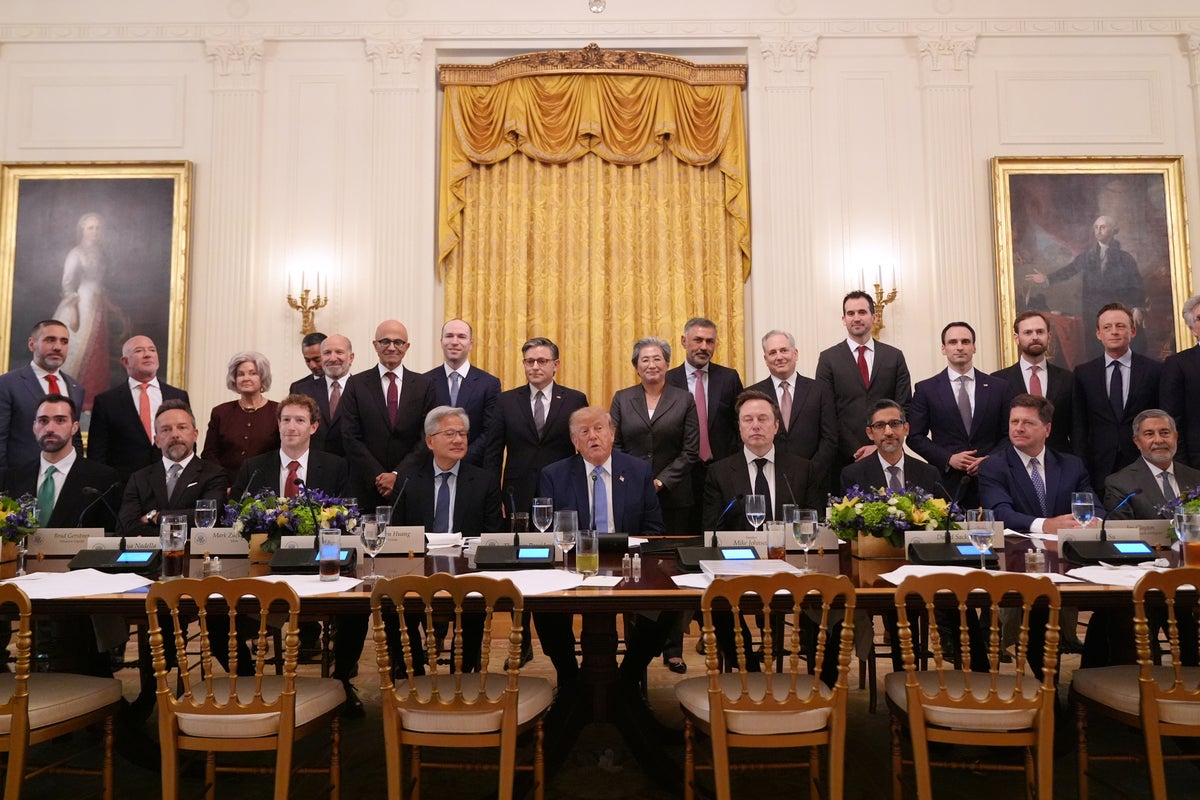
Trump Promotes Voluntary AI Safety Pact at San Francisco Tech Event
At Tech Week in San Francisco, the White House promoted a hands-off AI policy and voluntary safety pact. Industry leaders welcomed the shift toward growth over regulation.
The Compass
You just read five takes on one story.
What's your take? Find your political shape in a few minutes.
Take the test