
Saudi PIF to End LIV Golf Funding After 2026 Season
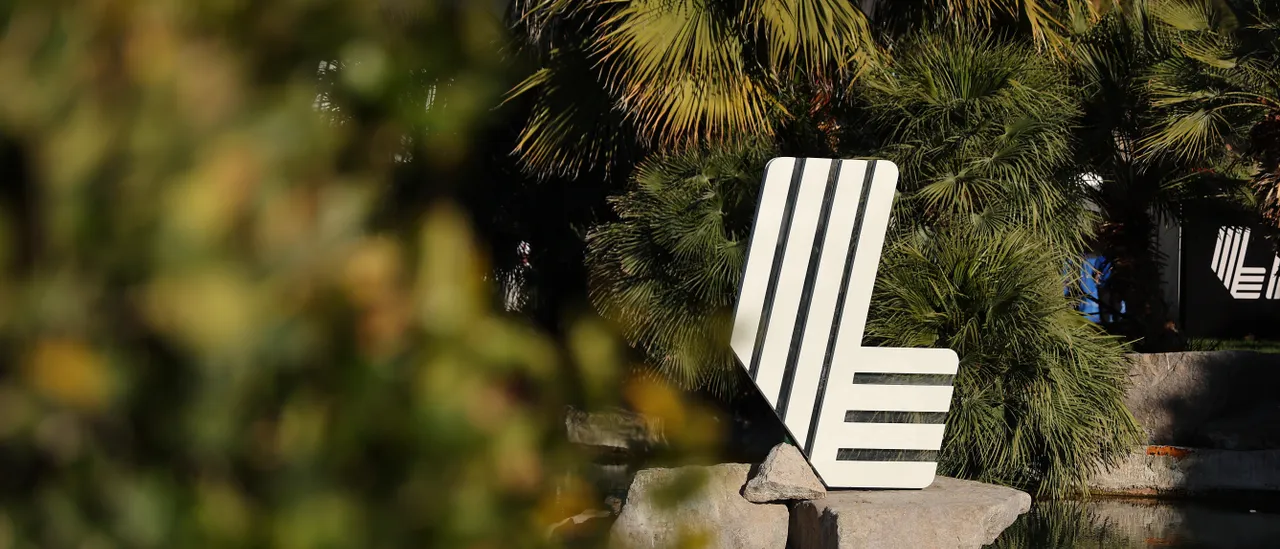
Cover image from dailycaller.com, which was analyzed for this article
Saudi Arabia's Public Investment Fund plans to withdraw funding from LIV Golf after the 2026 season, forcing the league to seek new investors urgently. The development comes as LIV races against time amid questions over its financial sustainability. It may alter the competitive landscape of professional golf.
PoliticalOS
Thursday, April 30, 2026 — Business
The Saudi PIF is ending its direct funding of LIV Golf after the 2026 season following a $5 billion investment, but the league has already announced a new independent board and a shift to multiple outside partners. Whether LIV can overcome more than $1 billion in documented losses and persistently low U.S. viewership will determine if the circuit survives as a global rival to the PGA Tour. The split that has divided professional golf since 2022 is entering a new, uncertain phase with two full seasons of guaranteed funding still remaining.
What outlets missed
Both provided articles underplayed LIV's documented financial underperformance, including more than $1 billion in operating losses from 2022-2024 and abysmal U.S. television ratings that averaged only 23,000 viewers for the 2026 opener. They also gave minimal attention to the PIF's documented strategic pivot toward domestic Vision 2030 projects inside Saudi Arabia, which multiple business outlets identified as the primary driver rather than any sudden abandonment. The full details of LIV's already-announced independent board and its explicit 14-event 2026 schedule received short treatment, as did specific player reinstatement pathways to the PGA Tour, including Brooks Koepka's reported £63 million in fines. These elements, corroborated by Golfweek, CNBC and Golf Channel, frame the funding change as a calculated business evolution rather than an unforeseen crisis.
LIV Golf Confronts Existential Reckoning as Saudi Funding Nears Its End
LIV Golf is confronting a precarious new chapter. The Saudi-backed circuit that upended professional golf four years ago will lose its primary financial lifeline at the conclusion of the 2026 season, according to multiple reports, prompting an urgent search for outside investors to prevent the league’s potential collapse. The development marks a striking reversal for a venture that has already absorbed more than $5 billion from Saudi Arabia’s Public Investment Fund and was once presented as an ambitious, long-term challenge to the PGA Tour’s dominance.
In a statement released Wednesday, LIV announced the formation of a new independent board and a deliberate “transition from a foundational launch phase to a diversified, multi-partner investment model.” Notably absent from the new governance structure is Yasir al-Rumayyan, the PIF governor who served as the league’s chairman and its most visible patron. The board will instead be led by Gene Davis and Jon Zinman, two business consultants with experience in restructuring and capital formation. Davis described LIV as possessing “passionate fans, world-class talent, and demonstrated commercial momentum,” suggesting the organization sees a viable path forward if it can attract fresh capital.
The announcement follows weeks of mounting speculation. Both The Wall Street Journal and CNBC reported that LIV executives planned to inform players and staff on Thursday that the PIF would cease its financial support after this season. Al-Rumayyan’s resignation from his league role on Wednesday, first reported by Sports Business Journal, appeared to confirm the shift. LIV CEO Scott O’Neil had pushed back against earlier rumors, insisting as recently as two weeks ago that the league remained fully funded through 2026. That assurance has now given way to a scramble for survival.
The stakes are considerable. LIV was conceived as a disruptive force, offering massive guaranteed contracts to lure stars such as Bryson DeChambeau, Phil Mickelson and Dustin Johnson away from the PGA Tour. Its team-based format, shorter schedules and generous prize money represented a direct challenge to the traditional tour’s economic model. Yet the enterprise has always been inseparable from Saudi Arabia’s broader geopolitical ambitions. The PIF’s sports investments, ranging from Newcastle United to professional wrestling, have been widely viewed as instruments of soft power and reputation management, efforts to project modernity while questions about human rights persisted.
Those calculations appear to be changing. Saudi officials are said to be reevaluating capital allocation across sports properties amid shifting regional dynamics, including the ongoing conflict between the United States and Iran. The precise weight of those geopolitical factors remains unclear, but the effect on LIV is immediate. A project launched with seemingly unlimited resources now finds itself racing the calendar. Executives have already begun outreach to team captains, including DeChambeau, to outline the new reality and solicit input on restructuring.
Whether LIV can successfully pivot remains an open question. The league points to growing attendance, television deals and a roster of prominent players as evidence of commercial viability. Davis and Zinman were brought in explicitly to professionalize operations, court long-term investors and reduce dependence on a single sovereign backer. Yet the history of sports leagues attempting to survive without stable major funding is littered with failures. Golf’s audience, while dedicated, is not infinite, and the sport’s existing power centers have shown little inclination to absorb LIV’s model wholesale.
The human element is equally complicated. Many players who joined LIV accepted substantial guarantees in exchange for leaving the PGA Tour ecosystem. Those contracts were predicated on the assumption of continued Saudi largesse. With that support evaporating, some golfers are reportedly exploring their options, according to earlier reporting. The broader golf world, which spent years in open conflict over LIV’s arrival, may now watch its disruptive rival struggle for relevance with a mixture of schadenfreude and unease. A sudden disappearance of the league would not automatically restore the pre-2022 status quo; the divisions LIV exposed within the sport run deeper than any single balance sheet.
For Saudi Arabia, the move fits a pattern of pragmatic recalibration. The PIF has achieved some of its goals: LIV undeniably raised the sport’s compensation levels and forced the PGA Tour into defensive concessions. Yet sustaining annual losses in the hundreds of millions may no longer align with evolving fiscal or strategic priorities. The decision to step back rather than abruptly withdraw suggests an orderly wind-down, but the window for LIV to secure alternative funding is narrow.
League officials remain publicly optimistic. The language of “positioning for future success” and “attracting long-term capital” frames the current moment as evolution rather than crisis. Whether investors outside the Saudi umbrella will see sufficient upside in a league still viewed by many traditionalists as an interloper is the central uncertainty. Professional golf has rarely been a purely market-driven enterprise; it has always depended on institutional stability, established brands and predictable revenue streams.
As LIV enters this uncertain transition, the episode offers a broader lesson about the limits of sovereign wealth as a substitute for organic sporting institutions. Billions can purchase talent and attention, but sustaining a rival league requires deeper roots than any single patron can provide. The coming months will reveal whether LIV possesses those roots or whether it remains, at its core, an expensive experiment now running short on time.
You just read Liberal's take. Want to read what actually happened?
More in Business & Economy

AI Companies Weigh Early IPOs as Risks Mount
Nasdaq fell sharply amid concerns over AI spending sustainability and data center costs; Nvidia, Meta, and others were hit as Meta and Tesla reported earnings.

Stocks Rise on Earnings as Home Sales Hit Low
Major indices closed mixed to higher, led by healthcare and defensive stocks, as companies like Eli Lilly and UnitedHealth reported strong results. Pending home sales hit record lows.

US Stocks Mixed as Tech Rebounds on AI Optimism
The Dow slipped slightly while the S&P 500 and Nasdaq rose, led by Nvidia, AMD, and Intel gains on renewed AI sector confidence after prior drops. Broader market volatility tied to earnings and data center demand.

Trump Unveils $8 Billion Diesel Relief for Farmers
The Agriculture Department launched the program to offset record diesel prices for farmers, framed as economic aid and a midterm pitch in Kansas amid ongoing inflation and energy cost pressures.
The Compass
You just read five takes on one story.
What's your take? Find your political shape in a few minutes.
Take the test